Room by Room, Component by Component: What a Proper Level 3 Survey Looks Like
|

Room by Room, Component by Component: What a Proper Level 3 Survey Looks Like

A Level 2 Home Survey is a concise, standard-format report for conventional properties in reasonable condition. A Level 3 Building Survey is more detailed and tailored, designed for older, altered, larger or non-standard buildings, and it explains defects, likely causes, risks, and repair options in more depth. Level 3 is the safer choice when the property’s condition or construction is uncertain.
Level 2 vs Level 3 Surveys
|

Level 2 vs Level 3 Surveys

Most buyers don’t choose a survey level in a deliberate, risk-led way. A Level 2 vs Level 3 decision isn’t a simple upgrade — it’s about what will be inspected, what cannot be inspected, and which unknowns you’re willing to carry into exchange and completion. Level 2 vs Level 3 isn’t “basic vs premium”. It’s a choice about scope, access and exclusions — and whether you’re comfortable carrying uncertainty on lofts, services and concealed areas into exchange. The biggest surprises usually come from exclusions. A Level 2 survey can legitimately limit comment on high-impact areas such as the loft, plumbing, electrics and windows, while a Level 3 provides deeper analysis and clearer context for decision-making.
Feakes and Richardson Houses
|

Feakes and Richardson Houses

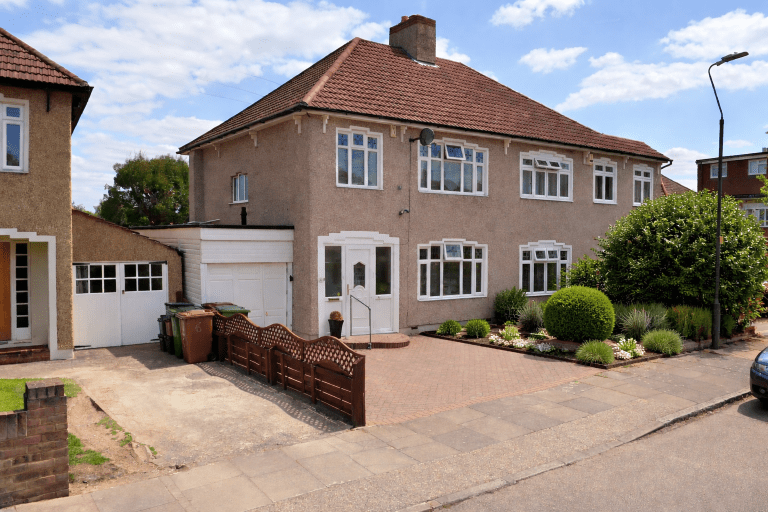
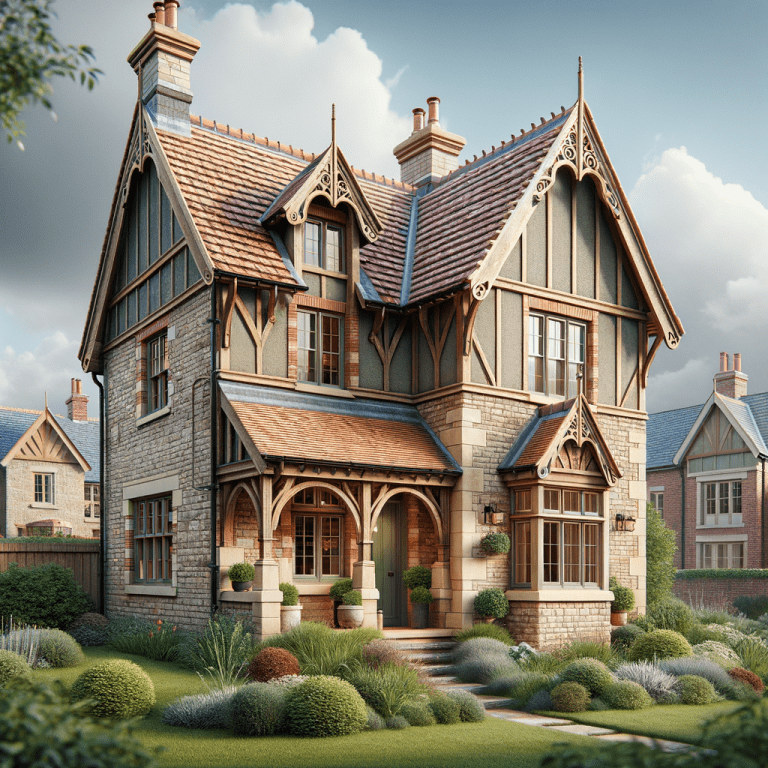
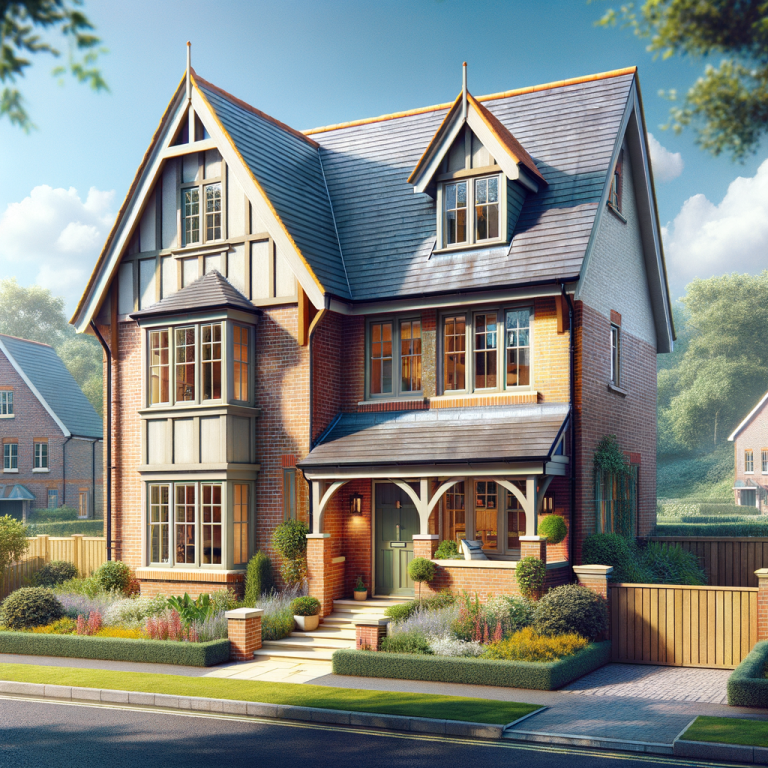
Homes built by Feakes & Richardson are a familiar feature of inter-war suburbs across South East London and Kent, particularly around Bexleyheath, Erith and the Bostall Park Estate. While generally robust and well laid out, these late-1920s and 1930s houses have predictable age-related issues linked to London Clay ground conditions, early cavity wall construction and later alterations. A properly focused survey is essential to separate long-standing, manageable defects from issues that carry genuine structural or maintenance risk.
The Wimpey No-Fines House

The Wimpey No-Fines House

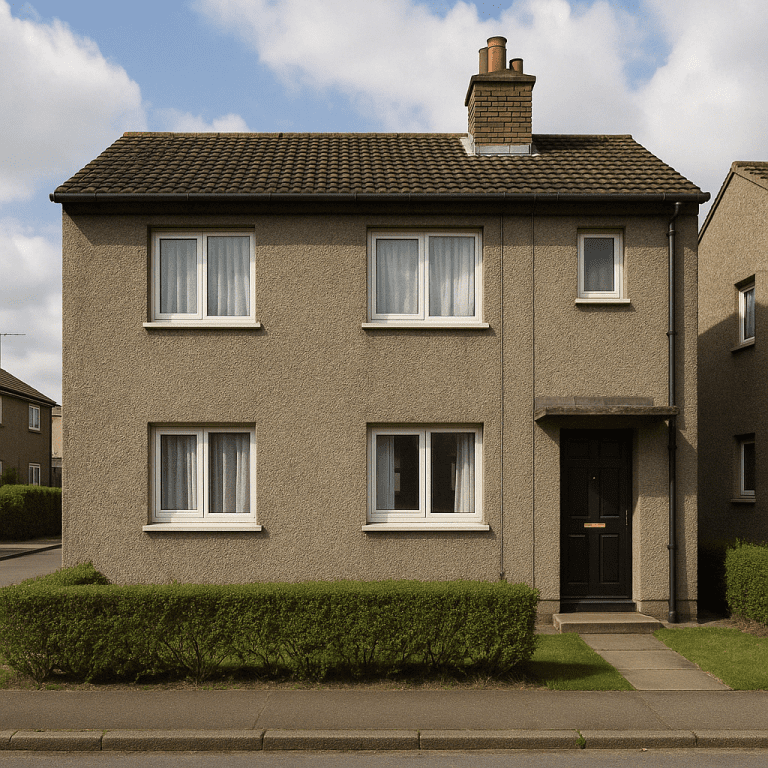
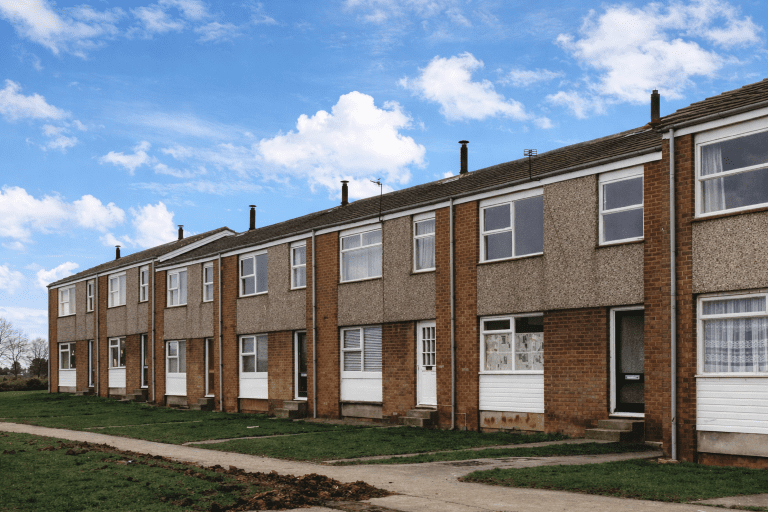
Wimpey No-Fines houses are a form of post-war, non-traditional construction built in the UK between the 1940s and 1970s. Constructed using solid in-situ concrete walls with no fine aggregate, they were designed to provide durable and economical housing at speed. Understanding their distinctive construction is essential when assessing condition, maintenance requirements, and suitability for purchase.
Cavity Wall Tie Corrosion

Cavity Wall Tie Corrosion

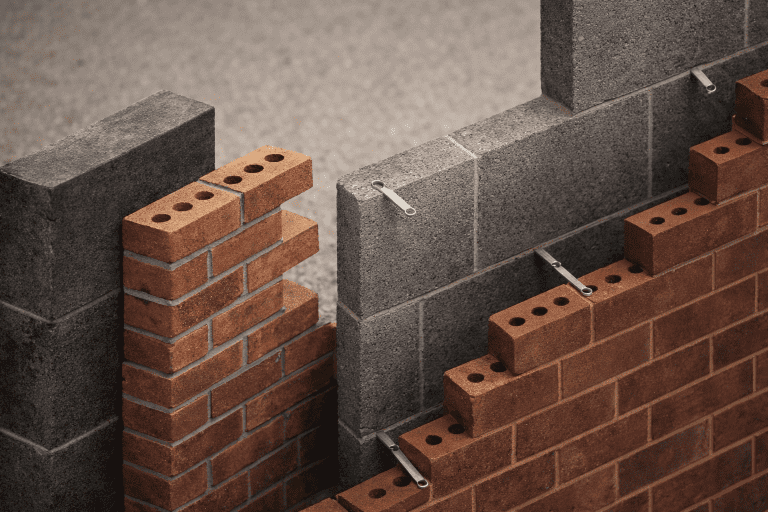
Wall ties play a critical role in the stability of cavity wall construction, particularly in older properties. In homes built before 1981, mild steel wall ties are prone to corrosion, which can lead to cracking, wall movement, and structural distress if left unaddressed. This article explains how wall ties function, why corrosion occurs, the warning signs to look for, and how a professional survey can help identify and manage this hidden but significant defect.
Yorkshire Timber Frame Houses

Yorkshire Timber Frame Houses

Yorkshire Timber Frame houses are a form of 1960s non-traditional construction characterised by platform timber framing, mixed external cladding, and pitched tiled roofs. While often visually distinctive, their long-term performance is closely linked to moisture control and the condition of the external envelope. Understanding the construction and inspection priorities is essential before purchase, as defects are often concealed within the fabric of the building.
Youngman House

The Youngman House

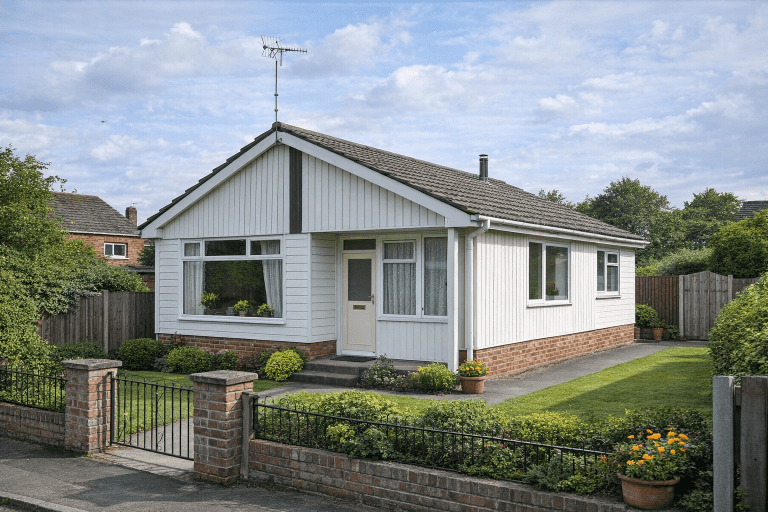
The Youngman house is a distinctive non-traditional UK property type developed during the 1960s as part of the post-war housing programme. Typically built as detached bungalows, these houses use a platform timber frame with vertical timber boarding and lightweight roof coverings. While innovative for their time, their construction requires careful inspection, particularly in relation to timber condition, moisture ingress, and ageing roof materials.
Yuill Houses

Yuill Houses

Yuill houses are a limited form of system-built housing developed in the early 1970s, using a timber frame structure with mixed brick and panelled external walls. While generally robust for their age, these properties present construction-specific risks, particularly relating to timber durability, damp protection, and fire stopping. A detailed survey is essential to understand their condition and long-term performance.