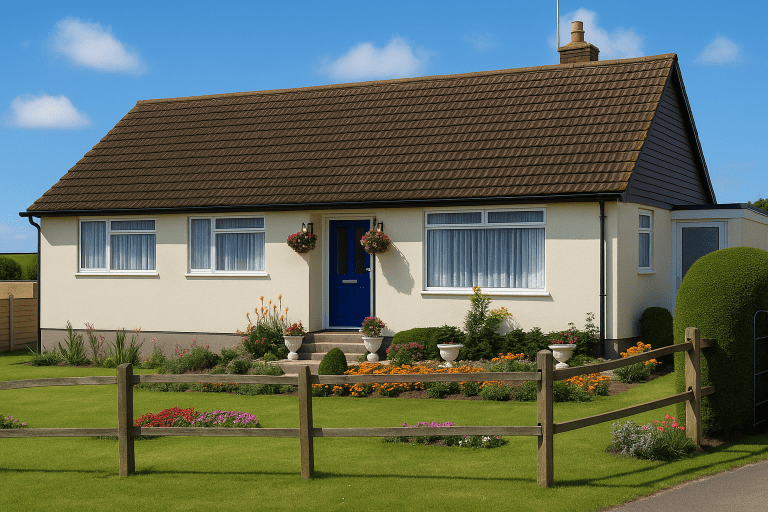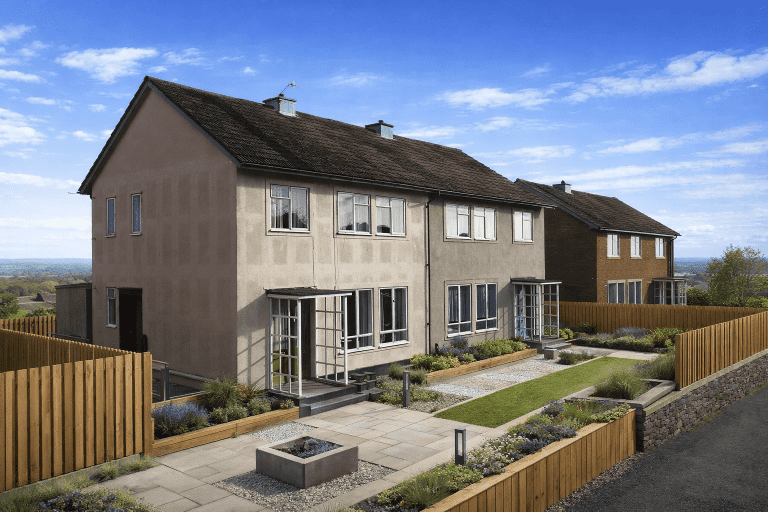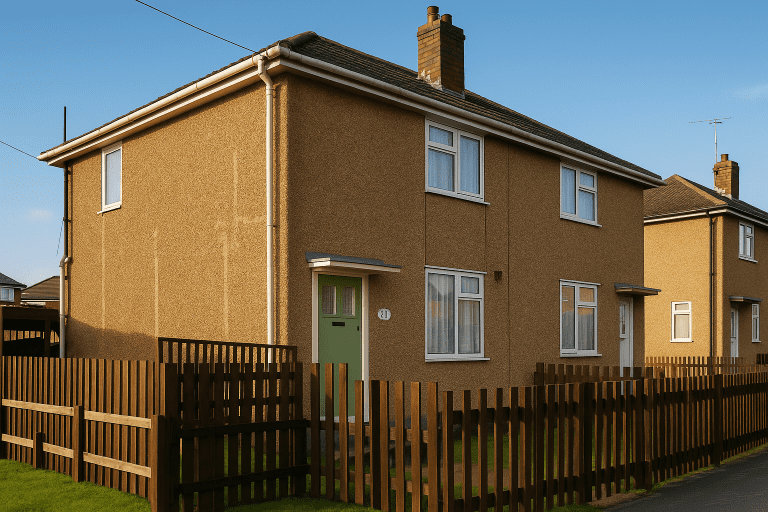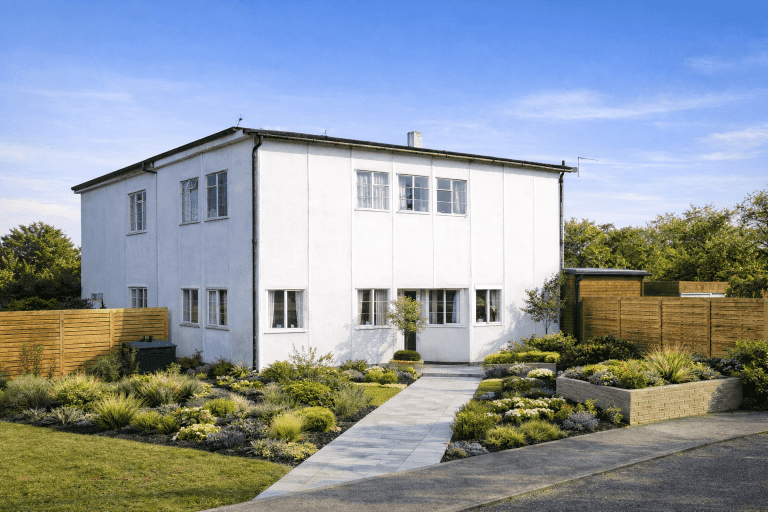
The Woolaway Bungalow. AI Illustration
| |

The Woolaways Bungalow

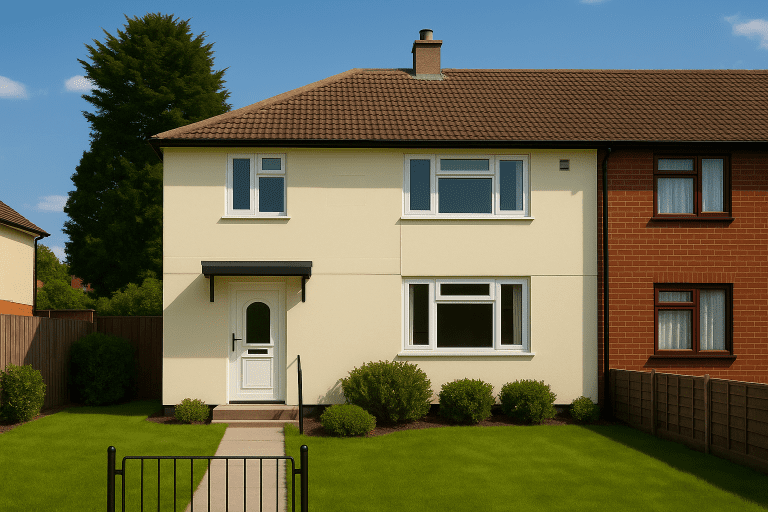
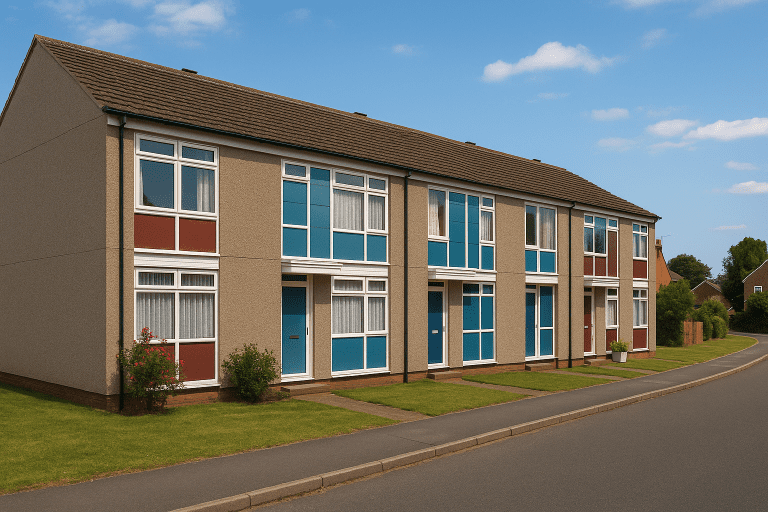
A Woolaways Bungalow is a post-war, system-built property constructed from the early 1950s using precast reinforced concrete panels. Typically detached and single storey, these bungalows were designed to provide rapid, practical housing during a period of acute national shortage. While easily recognisable by their gable roofs and non-traditional construction, Woolaways Bungalows require careful assessment due to known long-term durability and mortgage considerations associated with PRC housing.
The Wilvan House
|

The Wilvan House

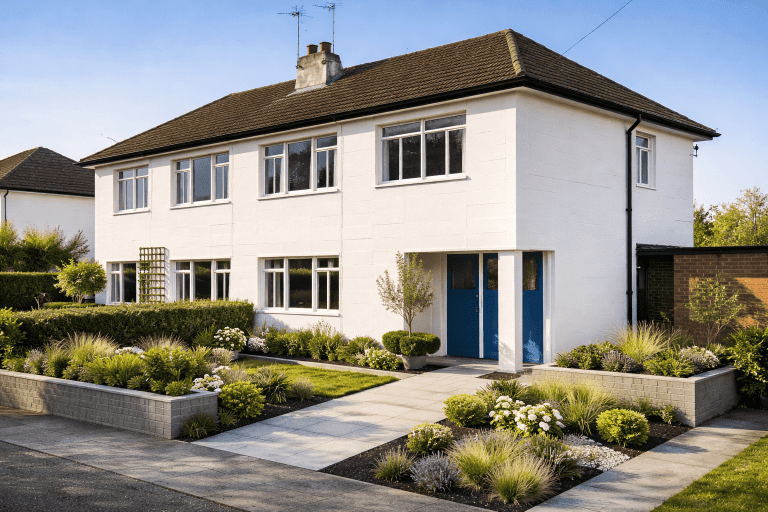
The Wilvan house is a rare and highly unusual form of mid-20th-century non-traditional housing. Designed in the 1940s by engineer Owen Williams and manufactured by W & C French, only two semi-detached examples were ever built. Constructed using precast reinforced concrete panels and distinctive corner columns, Wilvan houses reflect post-war innovation but require careful inspection due to the long-term behaviour of PRC construction and embedded steel reinforcement.
A Wates House AI illustration
|

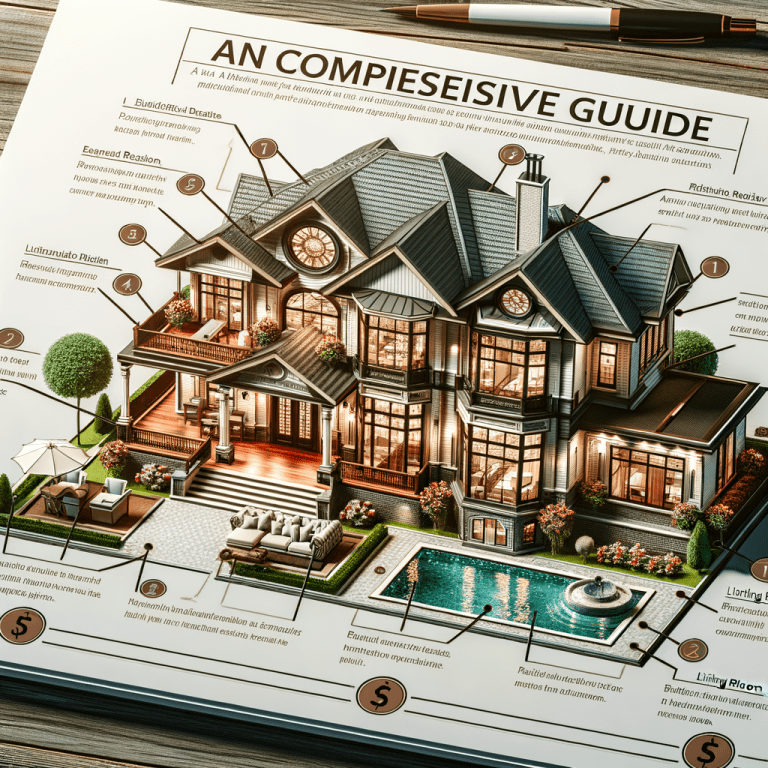
The Wates House (Concrete Frame and Panel): A Comprehensive Guide for Home Buyers and Investors

Historical Context and Manufacturing The Wates house, also known as the PH6, is a notable example of post-war British architecture. Manufactured by Wates Ltd, these properties were constructed between 1947 and 1956, a period marked by…
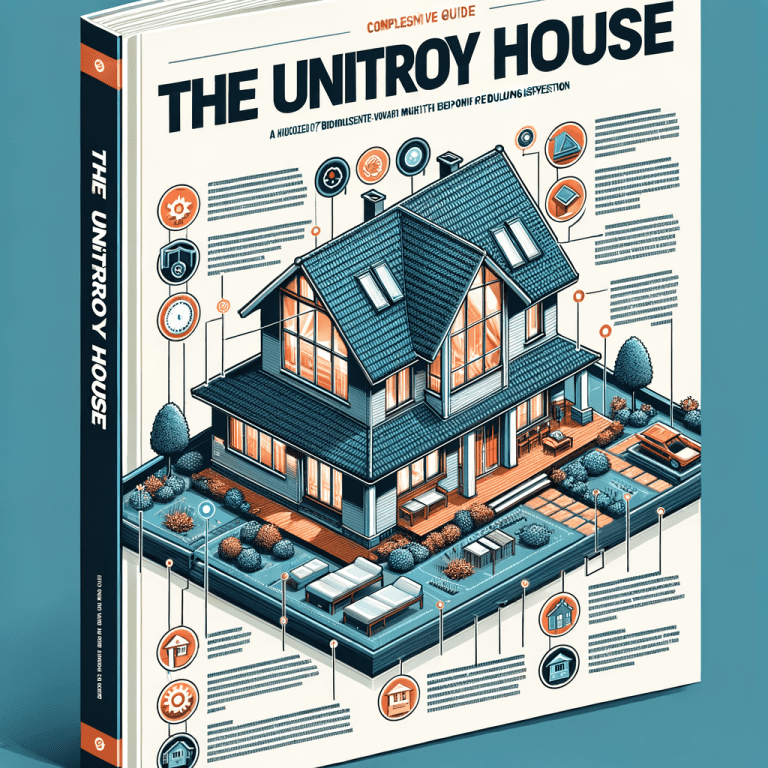
The Unity Type II House
|

The Unity Type II House

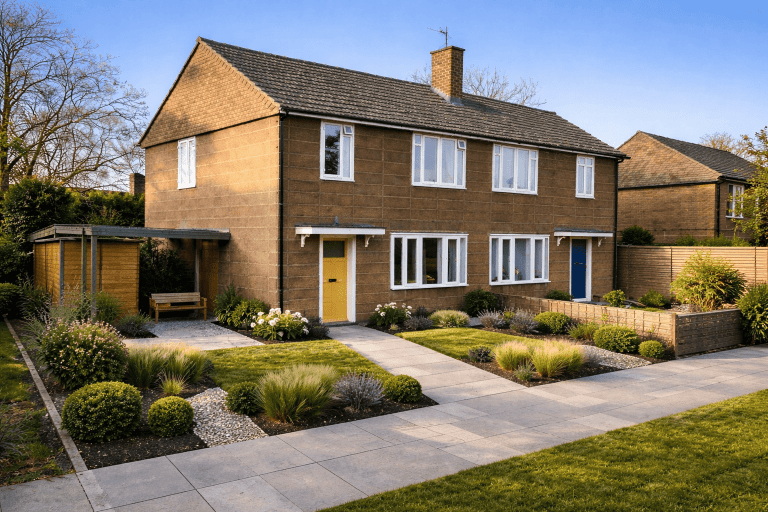
The Unity Type II house is a post-war non-traditional property built during the 1950s using prefabricated reinforced concrete components. While identifiable by its pitched tiled roof and concrete panel construction, this house type is associated with known structural risks including cracking to PRC columns, corrosion of steel elements, chloride contamination and the presence of asbestos-containing materials, all of which require careful inspection and long-term management.
The Unity Type I House
|

The Unity Type I House

The Unity Type I house is a post-war system-built property developed during the 1950s to address severe housing shortages following the Second World War. Manufactured by Unity Structures Ltd and Unity House Construction, approximately 19,000 Unity Type I and Type II houses were built across the UK. These properties typically use precast reinforced concrete columns and panels, with medium-pitched tiled roofs, and are now recognised as defective under the Defective Premises Act due to inherent structural risks associated with their construction.
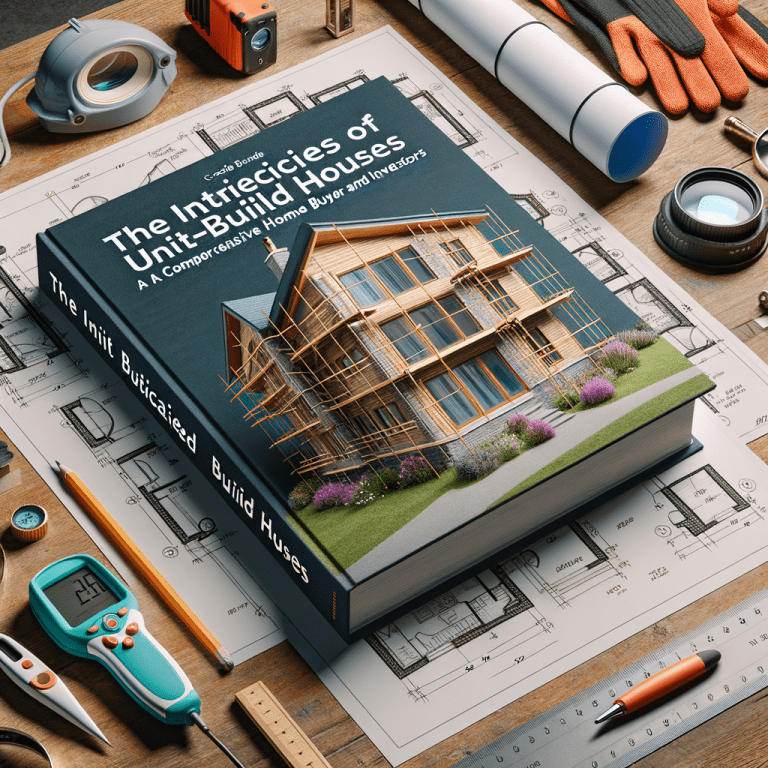
The Intricacies of Unit-Built Houses: A Comprehensive Guide for UK Home Buyers and Investors
|

The Intricacies of Unit-Built Houses: A Comprehensive Guide for UK Home Buyers and Investors

Understanding Unit-Built Houses Unit-built houses, also known as Unit Construction houses, are a unique and fascinating segment of the UK property market. These properties, primarily constructed in the 1940s, offer a distinctive architectural style and construction…