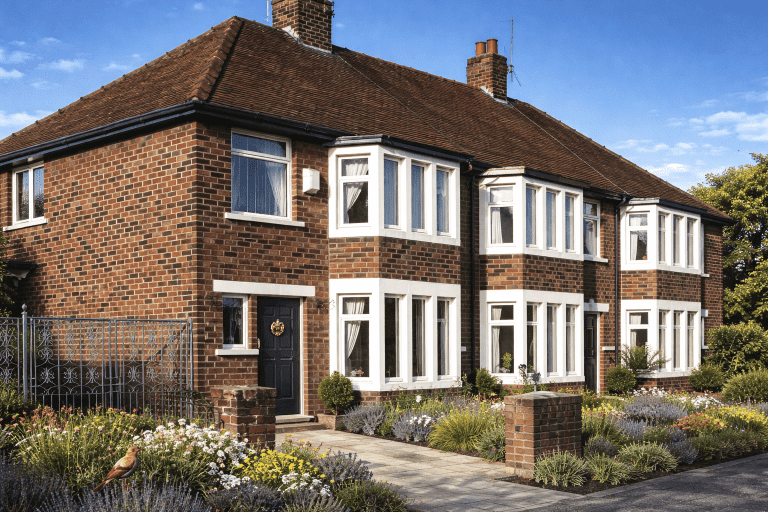
The Dennis House
|

The Dennis House

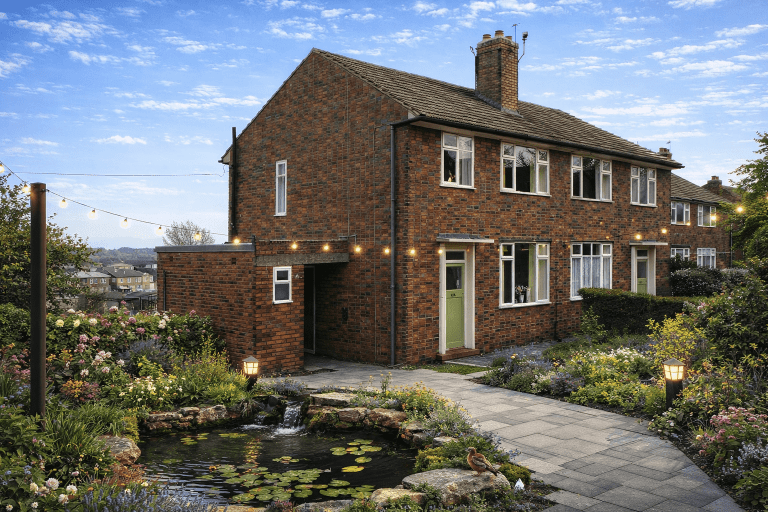
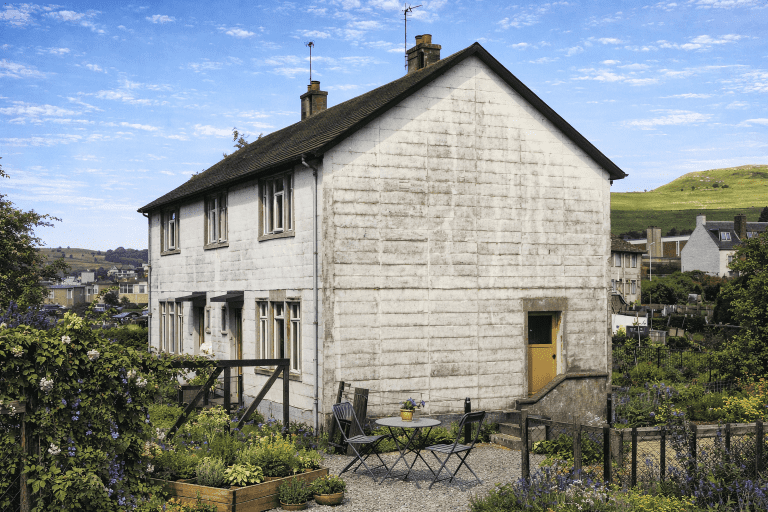
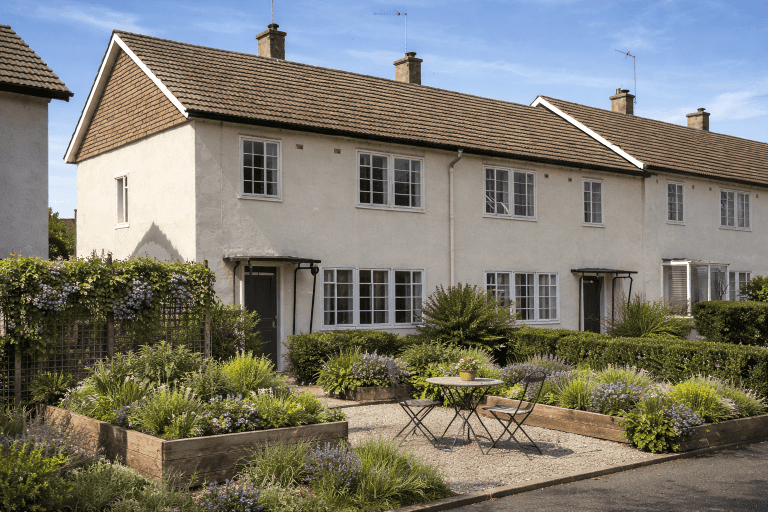
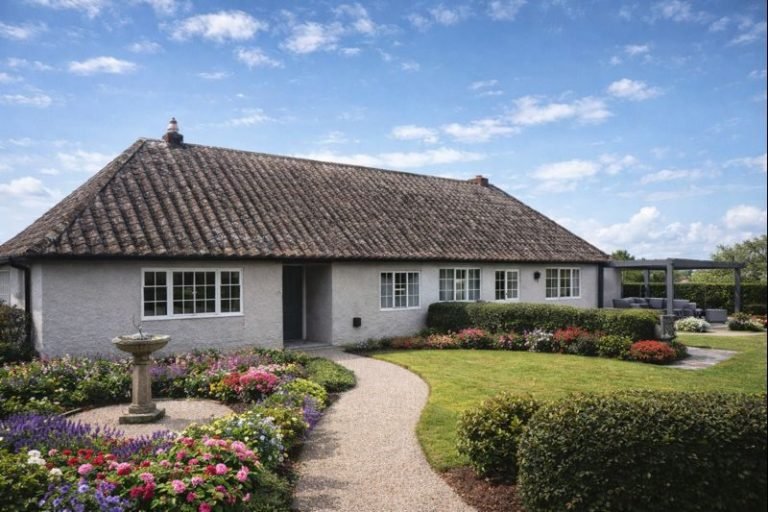
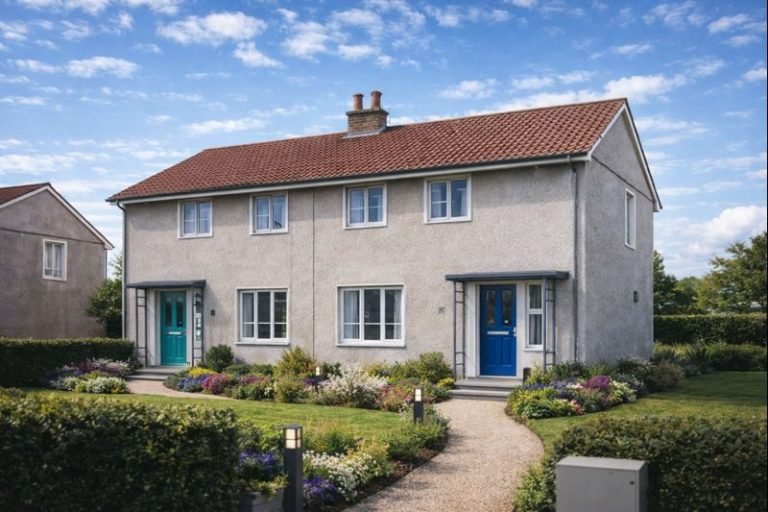
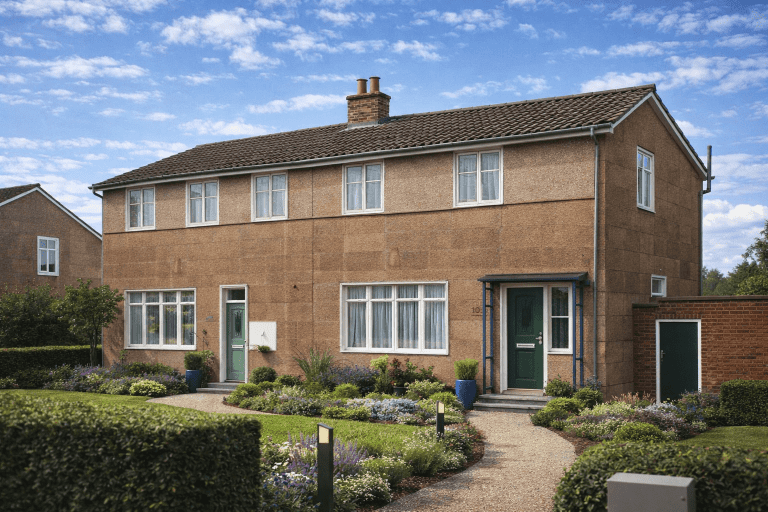
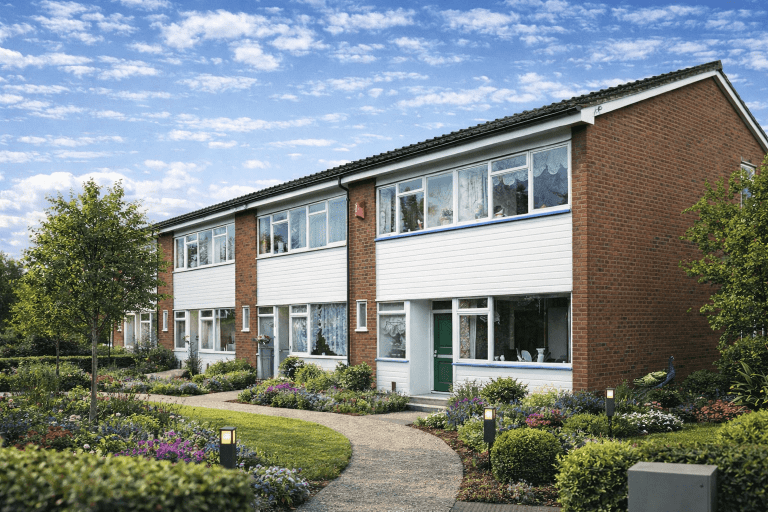
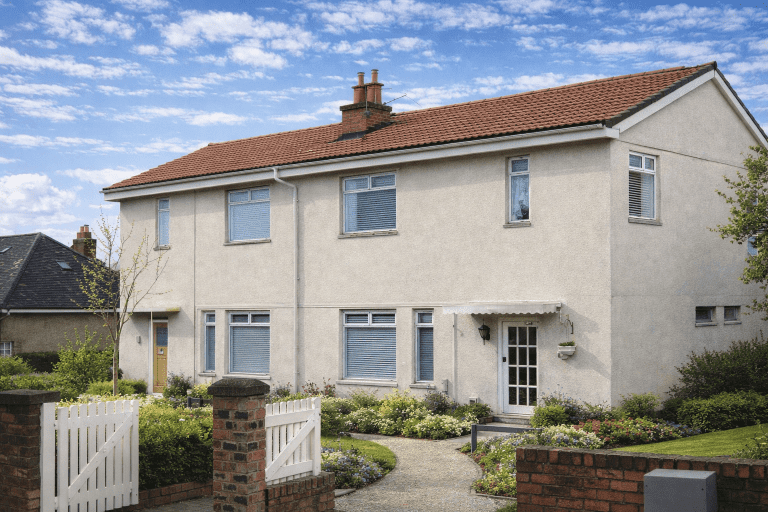
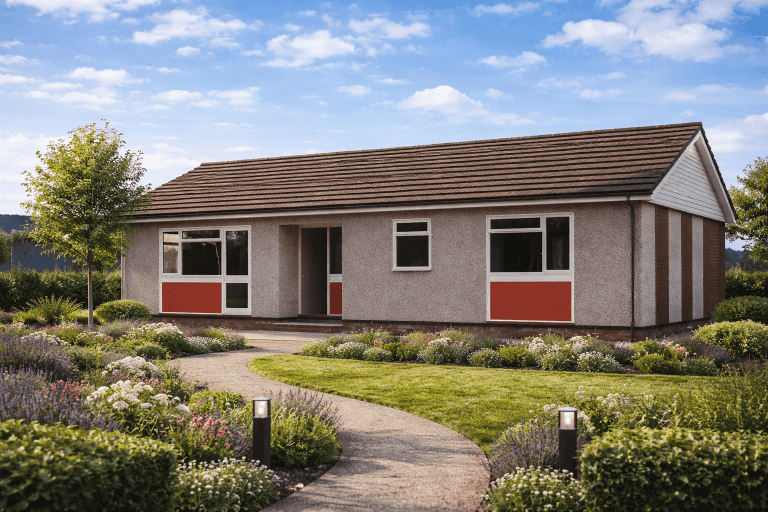
A Dennis house is a post-war, non-traditional property type developed in response to severe housing shortages after the Second World War. Built using a concealed steel frame with brick and tile external finishes, these houses require careful inspection, particularly in relation to corrosion risk, dampness, and long-term maintenance. Understanding their construction is essential before purchase, as condition and upkeep vary widely between properties.
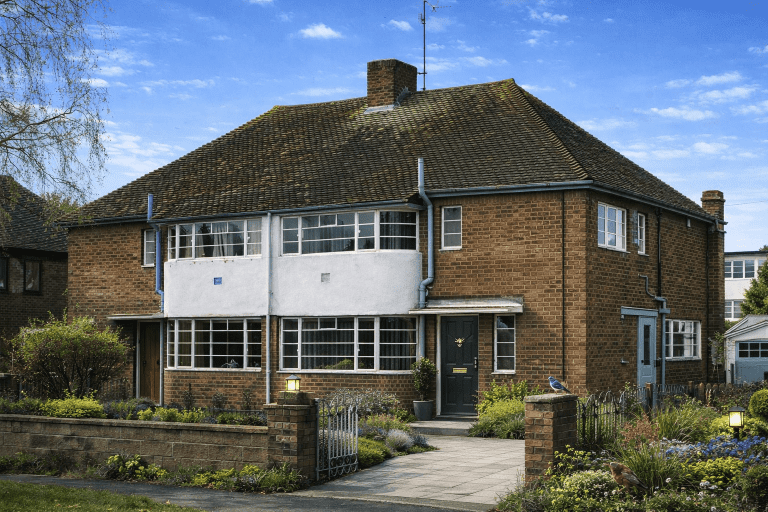
The Crane House
|

The Crane House

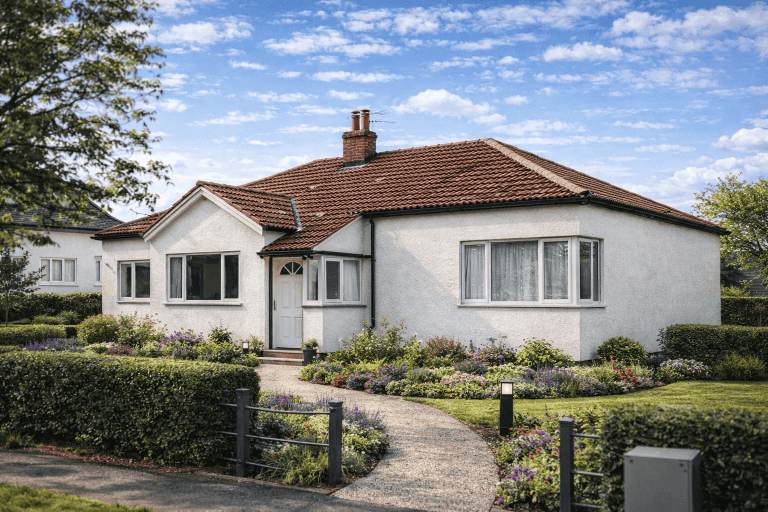
The Crane House is a distinctive early 20th-century bungalow type built between 1925 and 1926 using steel framing, clinker concrete block walls, and asbestos-based components. While not classed as defective, these properties carry specific inspection priorities, particularly around asbestos management, steel corrosion, and cracking to render and blockwork. A detailed building survey is essential to properly assess condition, risks, and ongoing maintenance requirements.
The Craig Atholl House
|

The Craig Atholl House

Craig Atholl houses are a rare post-war, steel-framed property type dating from 1951, with only a handful ever constructed. Their concealed steel structure, rendered walls, and mixed construction mean corrosion risk, damp control, and inspection access are key considerations. A detailed building survey is essential to understand condition, maintenance needs, and longer-term risks.
The Cornes House
|

The Cornes House

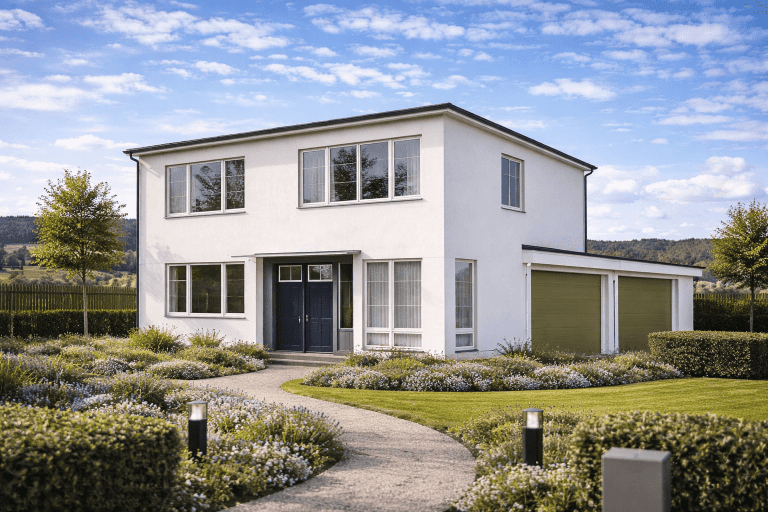
Cornes houses are a form of mid-1960s non-traditional, steel-framed housing, most commonly found as two-storey semi-detached or terraced properties. Constructed using a structural steel frame with lightweight wall cladding and precast concrete panels, their long-term performance is closely linked to corrosion protection, moisture control, and the condition of external materials. A detailed building survey is essential to assess frame condition, cladding integrity, and associated risks before purchase.
The Conatus House
|

The Conatus House

The Conatus house is a non-traditional UK property type introduced from 1974, typically constructed as a detached bungalow using a steel frame and composite wall panels. While generally robust, long-term performance depends on the condition of the steel structure, external panels, and protection from moisture ingress. Careful inspection is essential to identify corrosion, roof defects, and moisture-related risks common to this construction type.
The Buchan House
|

The Buchan House

The Buchan house is a rare form of post-war system-built housing constructed during 1945 and 1946. Manufactured by Johnston Bros. Ltd, only five examples were built, making this an exceptionally uncommon non-traditional property type. These detached steel-framed bungalows are typically arranged on an L-shaped plan, with long-term performance closely linked to corrosion protection, damp control, and maintenance history.
The British Housing House
|

The British Housing House

British Housing houses, also known as Doxford or Lynn houses, are a form of non-traditional construction developed in the mid-1960s by John Lynn & Co. Ltd. Built in limited numbers between 1965 and 1967, these properties use a steel-framed, panelised system with specialist external cladding materials. While they have a distinctive appearance, their long-term performance is closely linked to issues such as steel corrosion, render failure, and the presence of asbestos-containing materials, all of which require careful inspection and informed assessment.
The Braithwaite House
|

The Braithwaite House

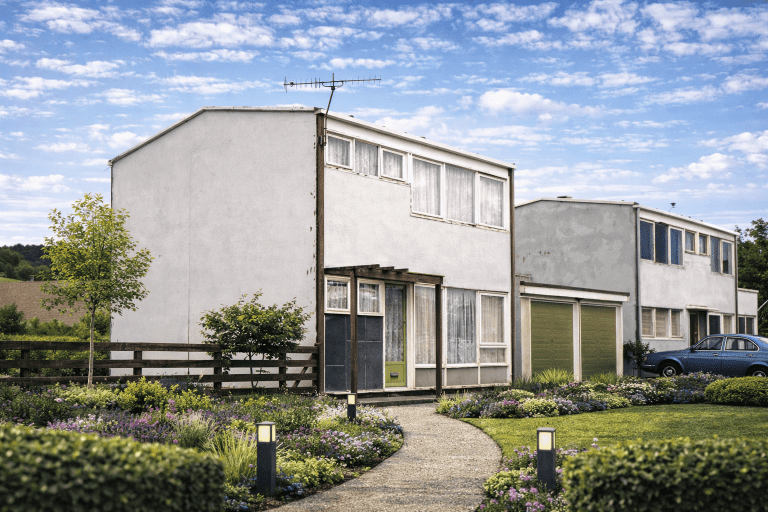
The Braithwaite House, also known as the Unit Frame House, is an exceptionally rare form of post-war non-traditional housing constructed in 1945. Designed by F R S Yorke and manufactured by Braithwaite & Co. Ltd, only two examples were built. These two-storey semi-detached or terraced houses are defined by their flat roofs, pre-stressed concrete and steel structural frame, and fluted asbestos cement wall cladding, all of which require careful inspection and long-term management.