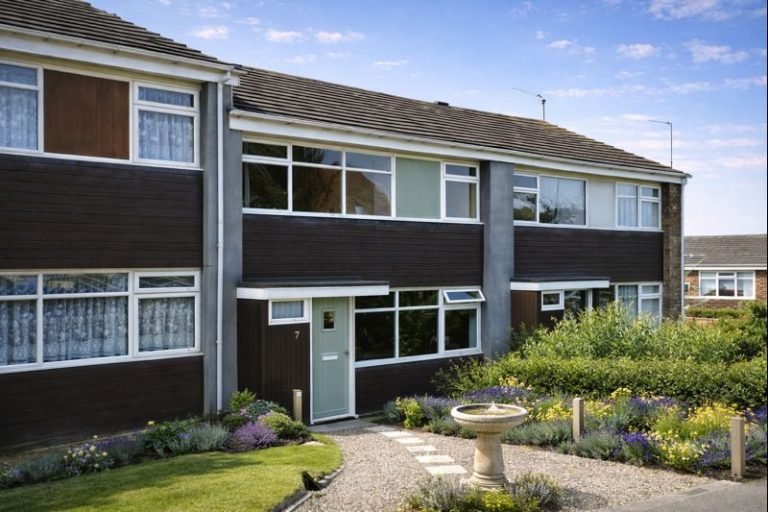
The Homeville Industrialised House
|

The Homeville Industrialised House

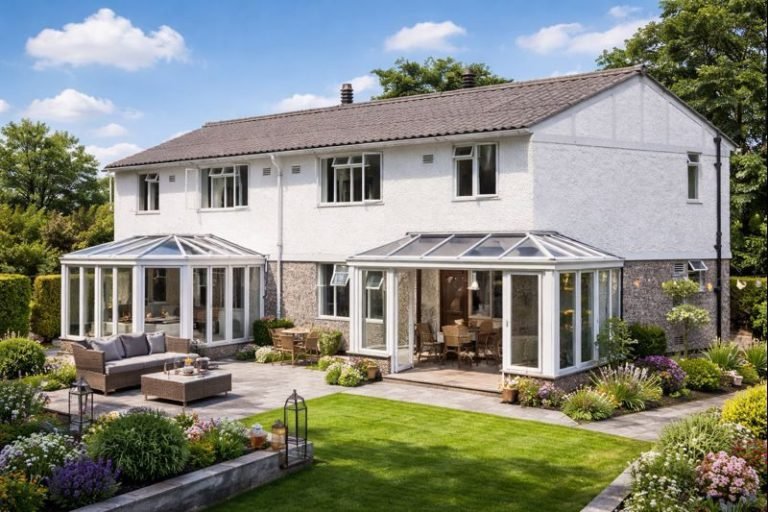
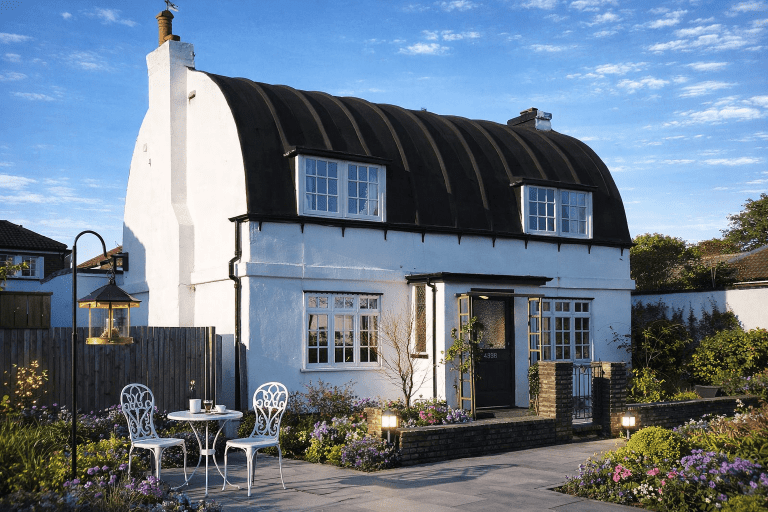
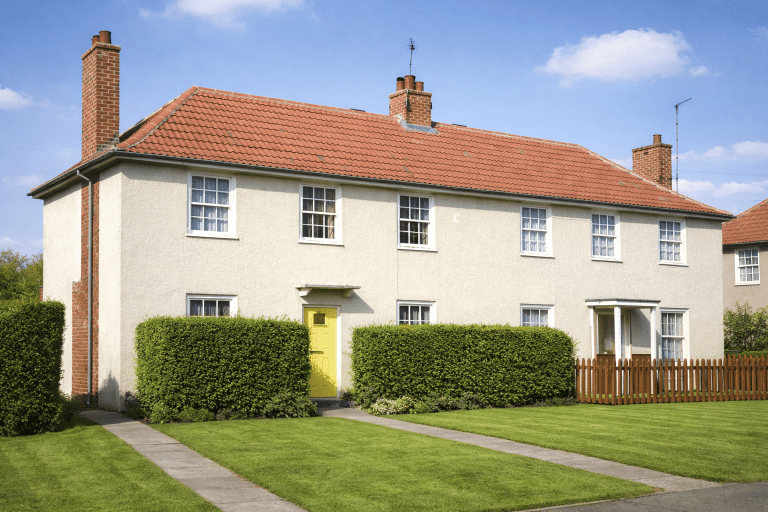
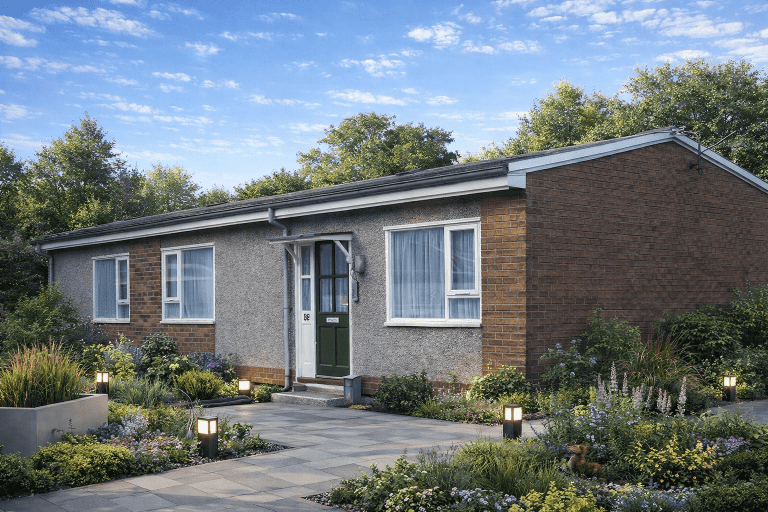
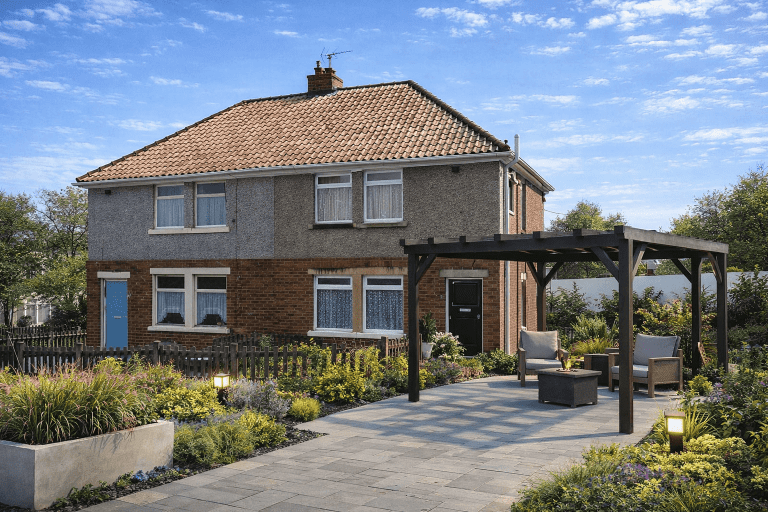
The Homeville Industrialised House is a post-war system-built property developed between 1963 and 1970 using steel framing and prefabricated wall components. Found in a range of forms including bungalows and two-storey houses, these properties are generally robust but require careful inspection of steel stanchions, gable wall panels, and roof space construction. Understanding the construction type and its common defects is essential before purchase.
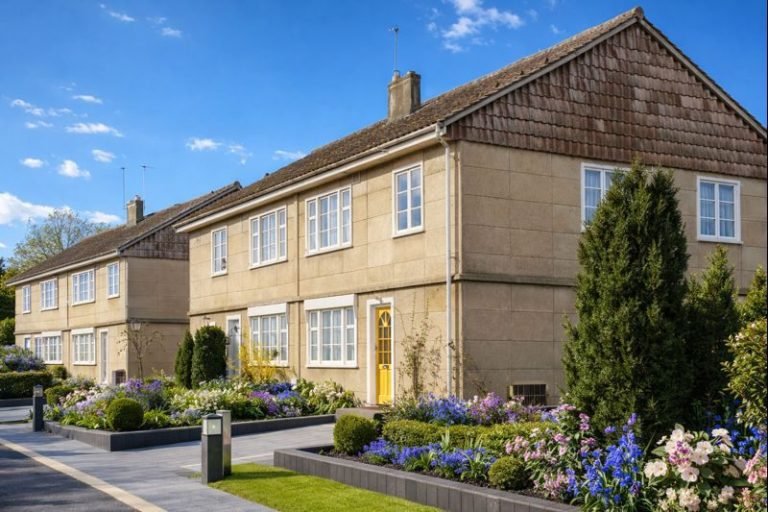
The Hitchins House
|

The Hitchins House

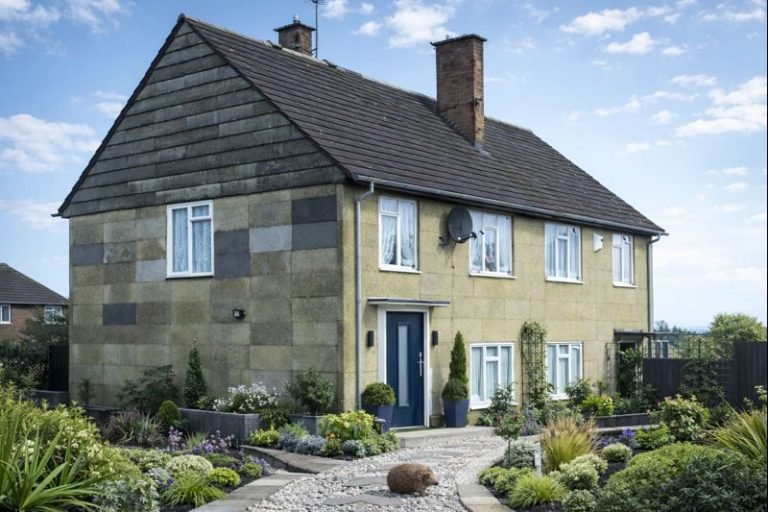
The Hitchins House is a rare post-war, steel-framed system-built property constructed in 1946, with only 50 units produced. Designed by A G Macdonald and manufactured by Hitchins Steel Core Buildings Ltd, these two-storey semi-detached houses combine a steel structural frame with precast concrete wall panels. While historically significant, their long-term performance depends heavily on the condition of the steelwork, protective coatings, asbestos-containing roofing materials, and moisture control measures, making careful inspection essential.
The Hills Presweld House
|

The Hills Presweld House

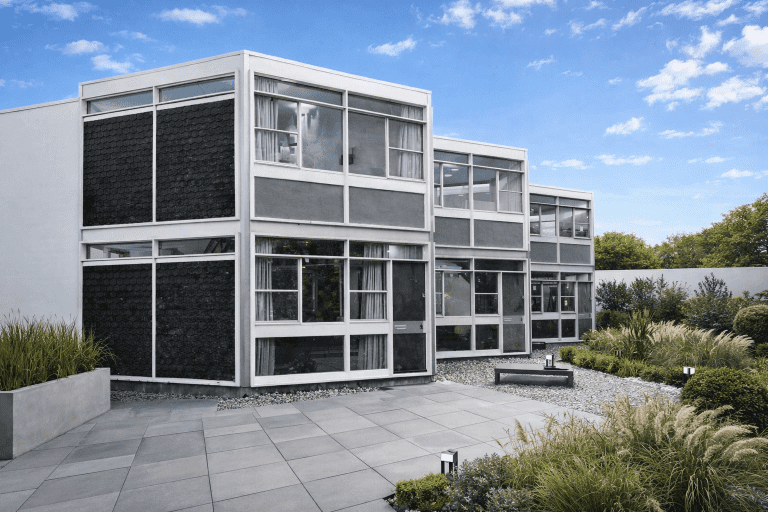
Hills Presweld houses are a post-war, non-traditional property type built in limited numbers during the 1940s. Their steel-framed construction and varied external wall systems mean condition is far more important than appearance. Corrosion to steel stanchions and cracking to no-fines concrete or precast wall panels are common inspection priorities and can have a direct bearing on mortgageability and long-term maintenance.
The Hillcon House
|

The Hillcon House

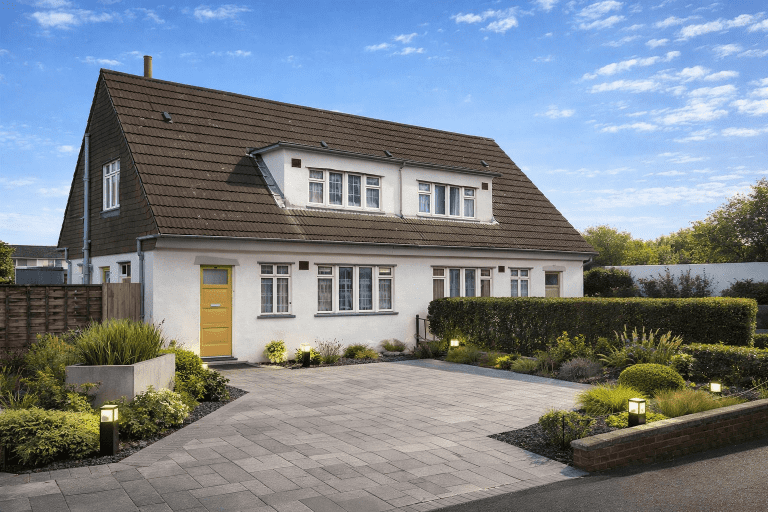
A **Hillcon house** is a rare post-war, system-built semi-detached property dating from 1952. Constructed using a steel lattice frame with rendered external walls and concrete detailing, these houses are most commonly associated with corrosion risk to the steel stanchions and age-related moisture issues. Careful inspection of the frame, render condition, and damp-proofing is essential when assessing their condition and long-term performance.
The Hawthorn Leslie House
|

The Hawthorn Leslie House

The Hawthorn Leslie house, also known as HLB or Plasteel, is a 1960s system-built property type developed to meet post-war housing demand. Constructed using a steel frame with prefabricated cladding panels, these houses are most commonly found on suburban estates and appear as bungalows or two-storey detached, semi-detached, and terraced homes. While robust in concept, their long-term performance depends heavily on the condition of the steel frame, external cladding, and weatherproofing details, making careful inspection essential when assessing their suitability for purchase.
The Grid House
|

The Grid House

The Grid House is a mid-1960s system-built property designed and manufactured by Morrison and Partners. Constructed using a steel frame with timber infill panels and flat roof construction, around 160 examples were built across the UK. While innovative for their time, Grid Houses present specific inspection considerations today, particularly around moisture control, timber condition, asbestos-containing cladding, and the long-term performance of flat roofs.
The Gee Walker & Slater House
|

The Gee Walker & Slater House

Gee Walker & Slater houses are an exceptionally rare form of post-war non-traditional construction, with only two ever built in 1946. Formed using a steel frame with aerated concrete panel infill and asbestos cement roofing, these semi-detached houses reflect the experimental building methods adopted immediately after the Second World War. Their unusual construction places particular emphasis on condition, corrosion control, and asbestos management, making a detailed building survey essential.
The Gateshead Corporation House
|

The Gateshead Corporation House

The Gateshead Corporation house is a rare post-war experimental property type built in 1950 using prefabricated reinforced concrete panels and a steel frame. With only four ever constructed, these non-traditional houses require careful inspection, particularly for asbestos-containing materials, PRC deterioration, and steel frame corrosion, all of which have implications for condition, maintenance, and mortgage acceptance.
The Formula House
|

The Formula House

The Formula house is a rare mid-1960s system-built property, constructed in limited numbers using a distinctive hexagonal layout and a steel-framed structural system. While visually striking, these houses rely on flat roof construction, timber infill panels, and materials such as asbestos cement, making condition, maintenance history, and professional inspection critical considerations.
The Falkiner-Nuttall House
|

The Falkiner-Nuttall House

The Falkiner-Nuttall house is a post-war, system-built chalet bungalow introduced in 1947 as part of the UK’s rapid housing programme. Typically semi-detached and steel-framed with rendered external walls and steep gable roofs, these properties rely on concealed structural elements that require careful inspection. Understanding their construction, common defects, and maintenance needs is essential when assessing condition, mortgage suitability, and long-term performance.
The Dorlonco House
|

The Dorlonco House

Dorlonco houses are an inter-war form of system-built housing developed by Dorman Long & Co. Ltd during the 1920s. Constructed using an early steel frame with rendered wall systems, they reflect the engineering-led response to post-First World War housing shortages. While not classed as defective, these properties require careful inspection, particularly in relation to steel corrosion, cracking to render, and wall tie condition, all of which can materially affect long-term performance and mortgage acceptance.
The Discus House
|

The Discus House

The Discus house is a non-traditional bungalow developed in the 1970s using a welded steel frame and infill wall panels containing asbestos-based materials. Typically built as detached or semi-detached homes, these properties reflect the system-built approach of the period and require careful inspection, particularly in relation to asbestos management, steel frame condition, and long-term maintenance considerations.
The Dennis-Wild House
|

The Dennis-Wild House

The Dennis-Wild house is a 1920s system-built property constructed around a concealed steel frame with brick and rendered external walls. While many remain serviceable, common issues include corrosion to steel stanchions, wall tie defects, cracking, and damp-related problems. Careful inspection is essential to understand condition, maintenance history, and any risks associated with the original construction.