The Resiform House
|

The Resiform House

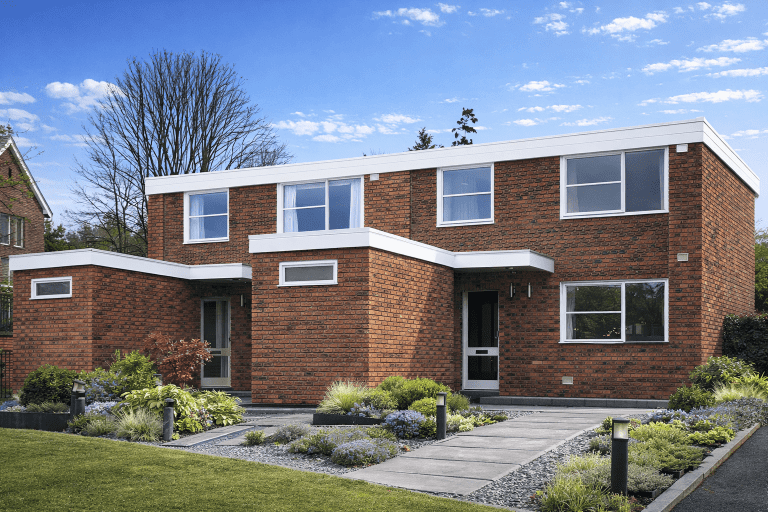
Resiform houses are a very rare form of 1960s system-built housing, constructed using glass fibre reinforced resin wall panels backed with asbestos cement. Built in extremely limited numbers, they sit firmly within the non-traditional category and require careful inspection, particularly in relation to panel condition, moisture performance, and asbestos management. A detailed building survey is essential to understand their construction-specific risks and long-term maintenance implications.
The Reith House
|

The Reith House

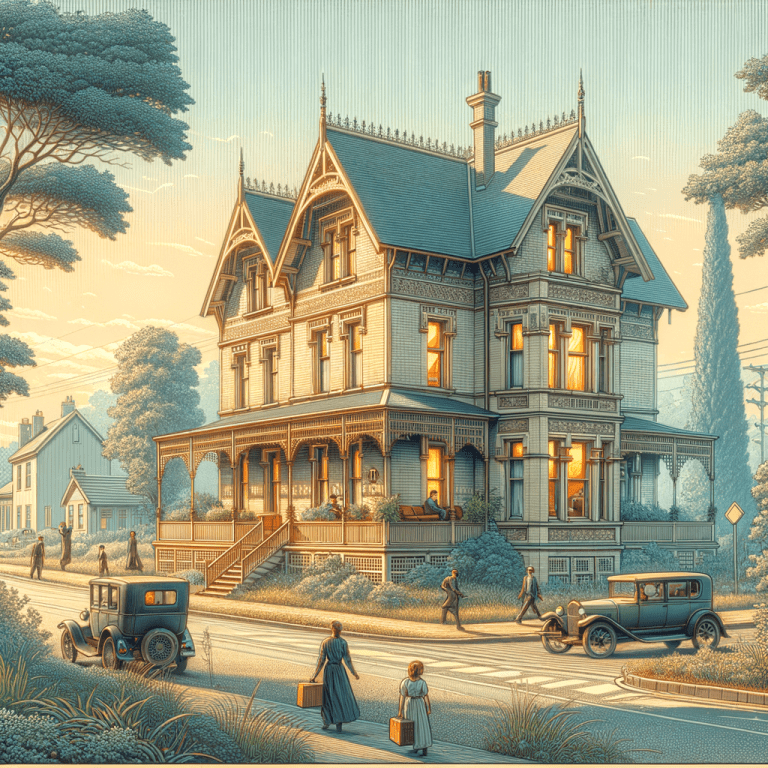
The Reith House is a rare form of non-traditional housing dating from 1926, constructed using early steel panel systems rather than traditional masonry. Manufactured by John Cran & Somerville Ltd, only four examples are believed to have been built. Their condition today is heavily dependent on the performance of protective coatings to the steel structure and the condition of concealed timber and fibreboard linings, making careful inspection essential.
The Quality House
|

The Quality House

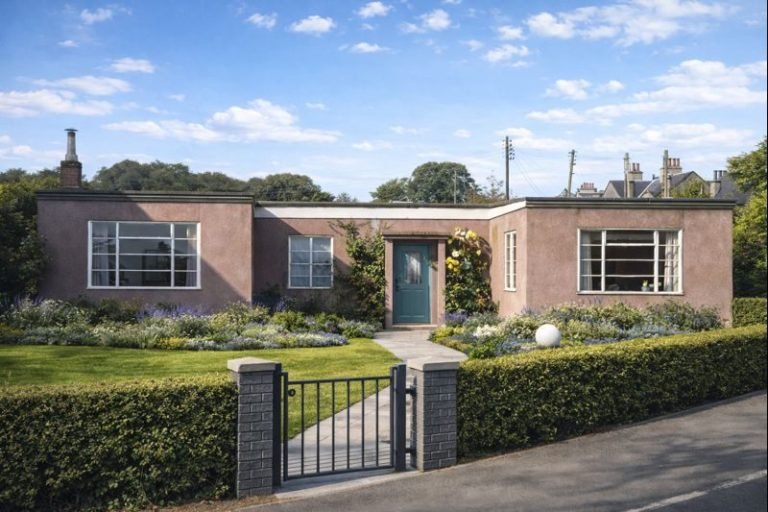
The Quality House is a post-war, non-traditional property developed in 1945 using steel-framed construction and flat roof detailing. While distinctive in appearance, these homes present specific inspection considerations, particularly around steel corrosion, flat roof performance, and the potential presence of asbestos-containing materials. A detailed building survey is essential to properly assess condition, refurbishment history, and associated risks before purchase.
The Portal Temporary Bungalow
|

The Portal Temporary Bungalow

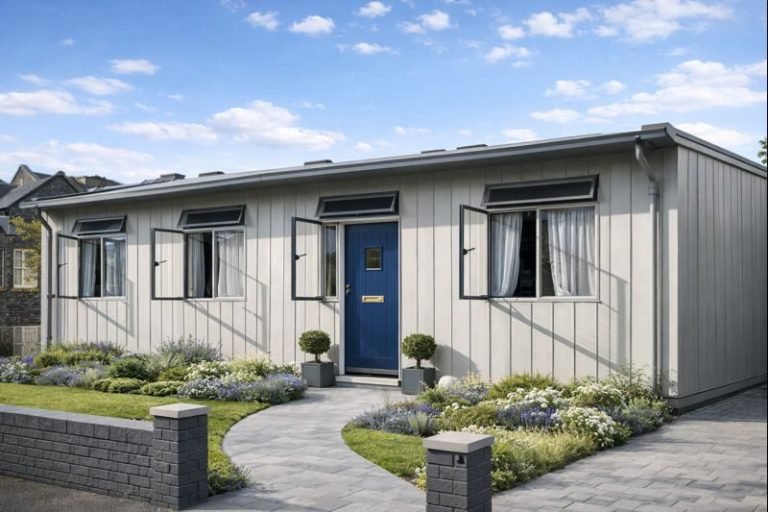
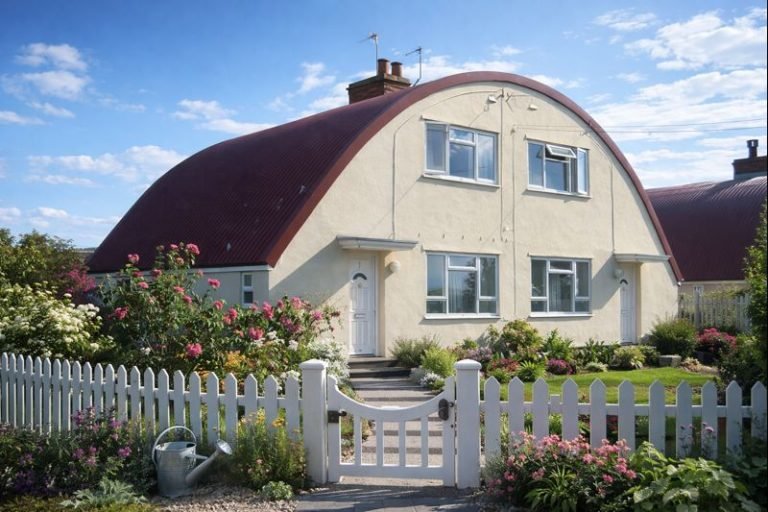
A Portal Temporary Bungalow is an exceptionally rare form of post-war prefabricated housing, constructed in 1944 using pressed steel components as an emergency response to housing shortages. While historically significant, its long-term condition depends heavily on corrosion control, moisture management, and informed inspection of the original steel structure.
The Phoenix Temporary Bungalow
|

The Phoenix Temporary Bungalow

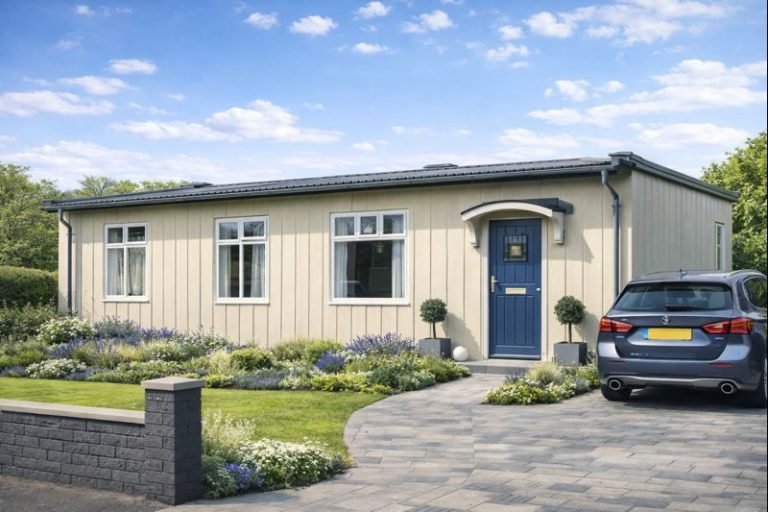
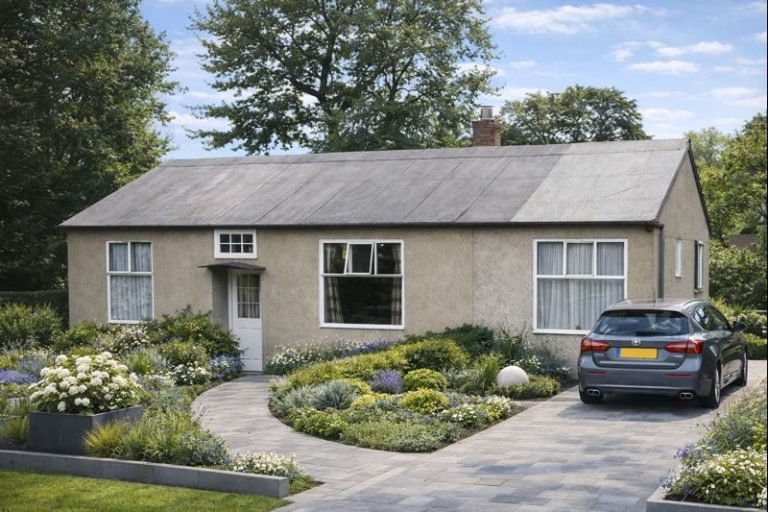
Phoenix Temporary Bungalows are post-war, non-traditional dwellings constructed between 1945 and 1948 using steel framing and asbestos cement panels. While historically significant, their construction places particular emphasis on frame condition, corrosion risk, and the management of asbestos-containing materials. A focused building survey is essential to understand the practical risks associated with this property type.
The Open System Building House
|

The Open System Building House

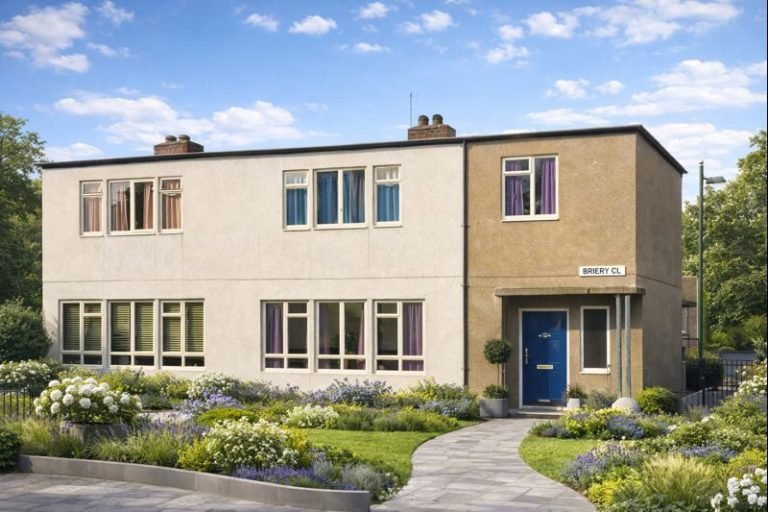
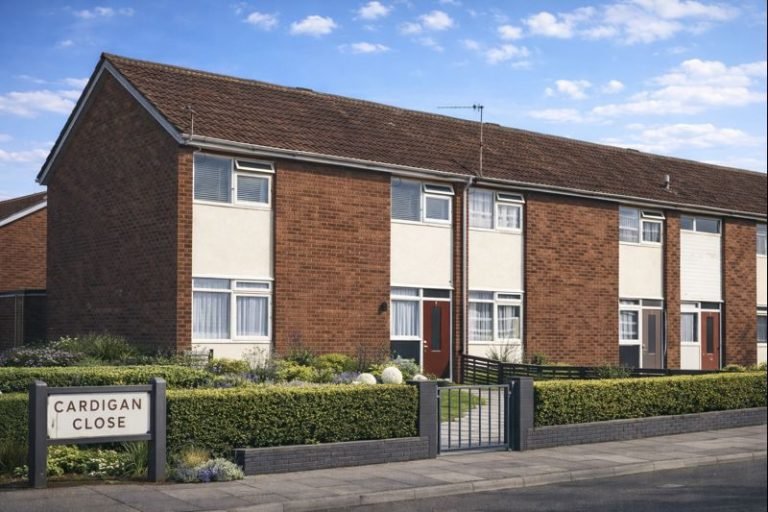
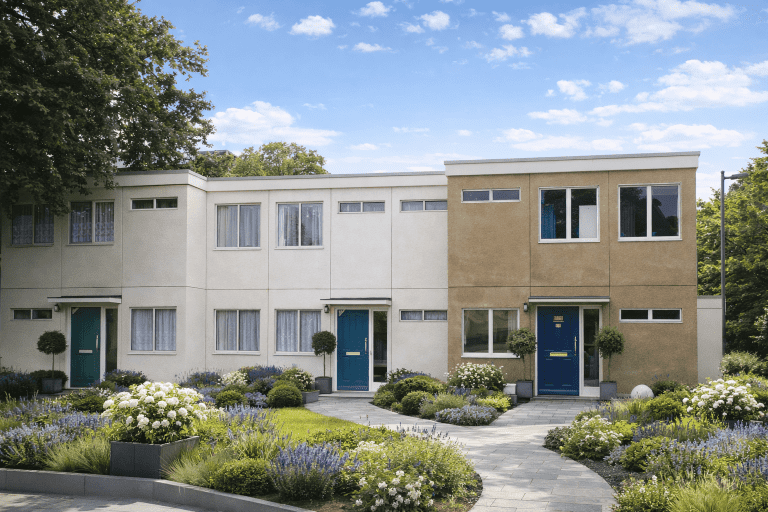
Open System Building houses are a distinctive form of non-traditional housing constructed between 1967 and 1970 using precast reinforced concrete components. Typically arranged as two-storey terraced or semi-detached homes, their long-term performance depends heavily on the condition of PRC panels, structural frames, and bearing details. A thorough building survey is essential to identify cracking, bowing, and other construction-specific risks before purchase.
The Nuttall Building System House: A Comprehensive Guide for Home Buyers and Investors
|

The Nuttall Building System House: A Comprehensive Guide for Home Buyers and Investors

Historical Context and Manufacturing Details The Nuttall Building System house, a product of post-World War II innovation, represents a significant chapter in the history of British housing. Manufactured by Nuttall Houses (Richmond) Ltd, these properties were…
The Northern Ideal Homesteads House: A Comprehensive Guide for Home Buyers and Investors
|

The Northern Ideal Homesteads House: A Comprehensive Guide for Home Buyers and Investors

Historical Context and Manufacturer Background The Northern Ideal Homesteads house, a product of Northern Ideal Homesteads Ltd under the Land & Developments Group, represents a significant chapter in the history of British housing. These properties were…
The New Georgian House
|

The New Georgian House

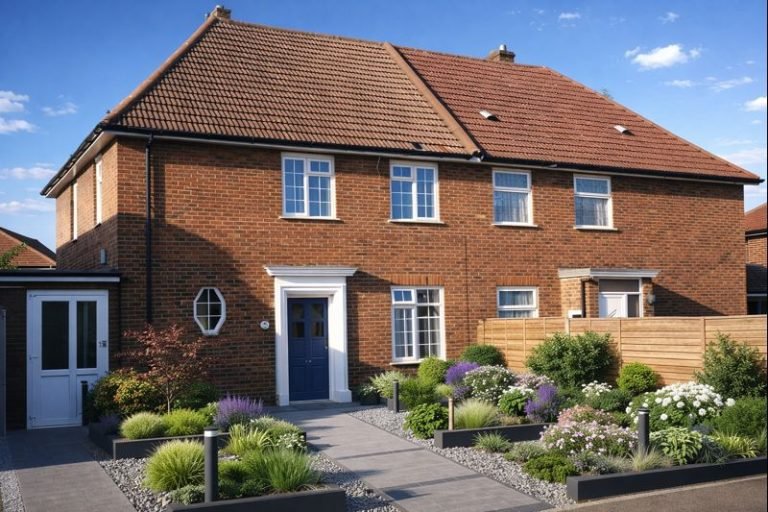
The New Georgian house is a rare post-war residential form developed during the 1940s, combining traditional Georgian styling with modern steel-framed construction. Built in very limited numbers by A Robert’s & Co. Ltd, these properties appear conventional externally but rely on concealed structural systems that require careful inspection, particularly in relation to corrosion protection and moisture control.
The Multispan House
|

The Multispan House

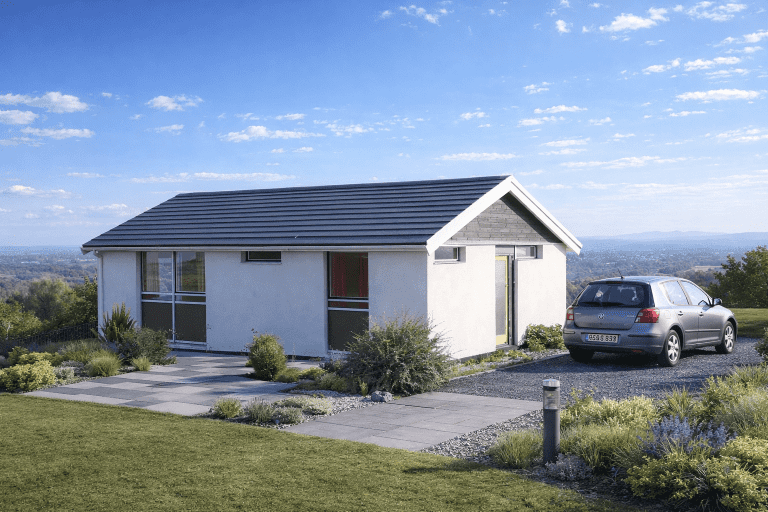
The Multispan house is a 1960s system-built bungalow, most often encountered as a detached single-storey property with a shallow pitch tiled roof, rendered elevations, and timber boarding to the gable apex. While the design allowed for rapid construction, long-term performance is closely linked to the condition of the steel frame and the effectiveness of the external envelope. Careful inspection of render condition, roof coverings, and any signs of moisture-related deterioration is essential when assessing these properties today.
The Mucklow Plan House
|

The Mucklow Plan House

The Mucklow Plan house is a recognised form of UK non-traditional housing built from the mid-1960s using a volumetric box system and stressed skin plywood construction. This article explains how these properties were built, their typical materials and layout, and the main inspection risks surveyors focus on today, including moisture exposure, asbestos-containing components, and long-term durability.