The Diatomite House
|

The Diatomite House

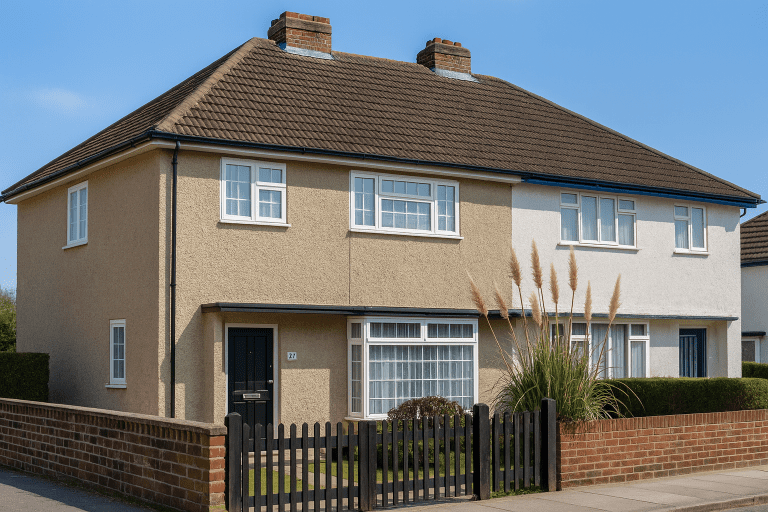
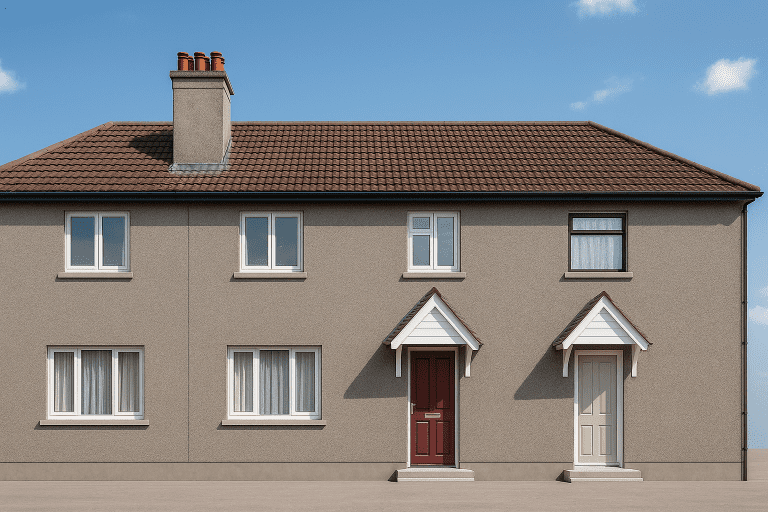
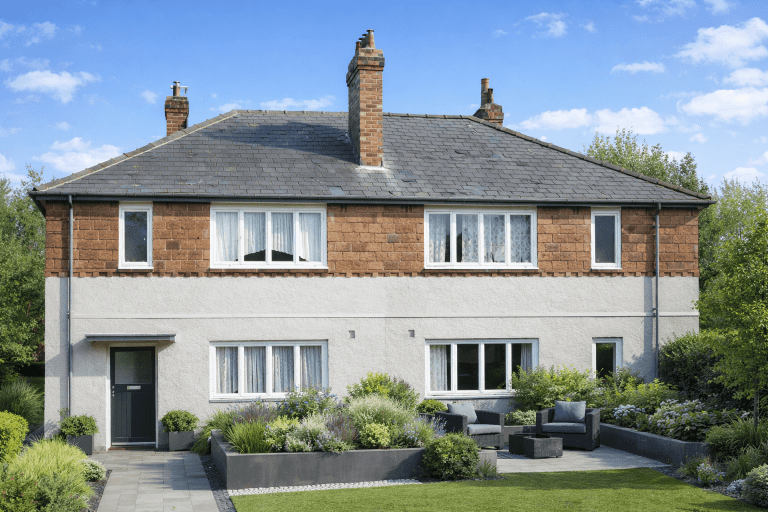
Diatomite houses are 1920s non-traditional concrete properties built primarily in Manchester to address post-war housing shortages. Constructed using dense and clinker aggregate concrete with diatomite slabs and terracotta blockwork, they are identifiable by their rendered lower walls and brick string courses. The principal risks relate to cracking, carbonation and reinforcement corrosion, making detailed pre-purchase inspection particularly important.
The Dagenham Special House
|

The Dagenham Special House

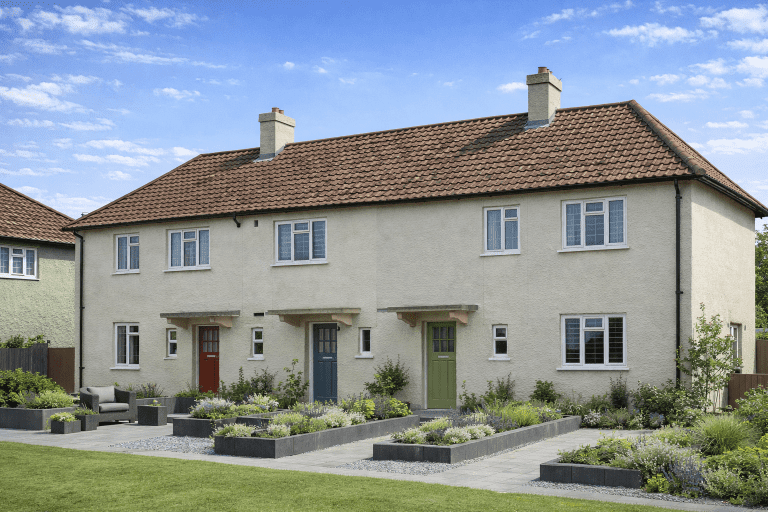
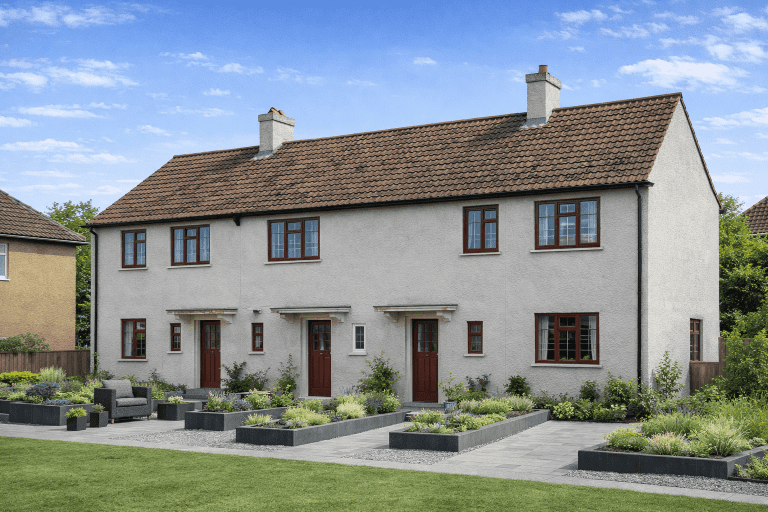
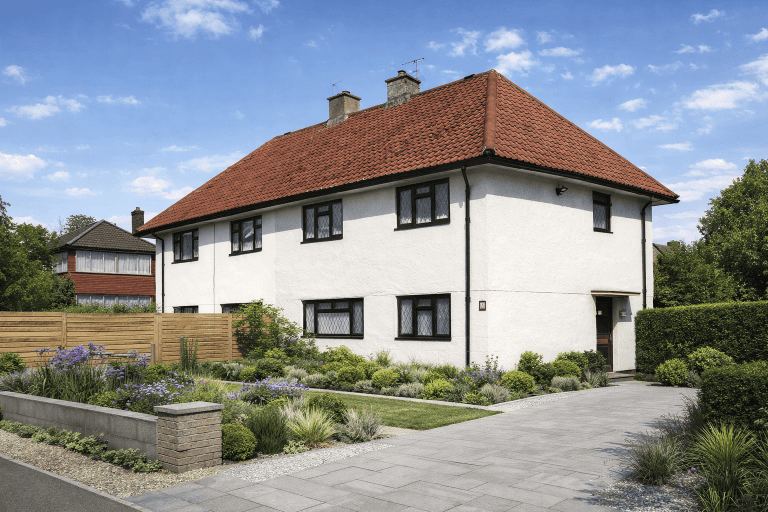
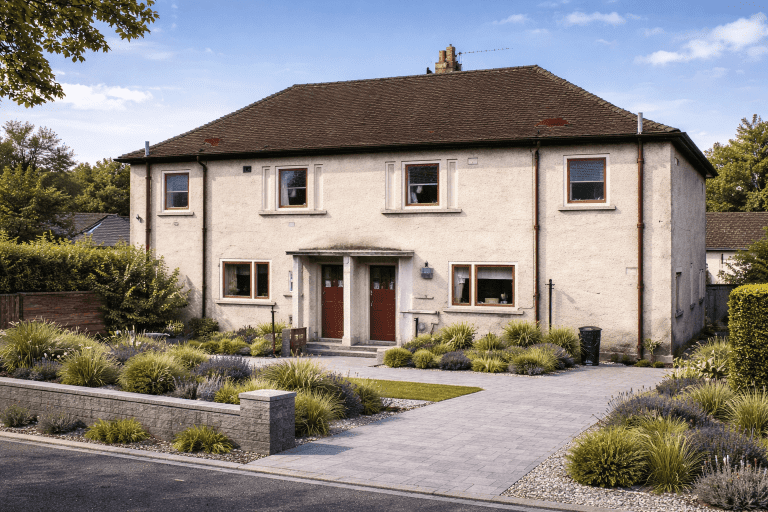
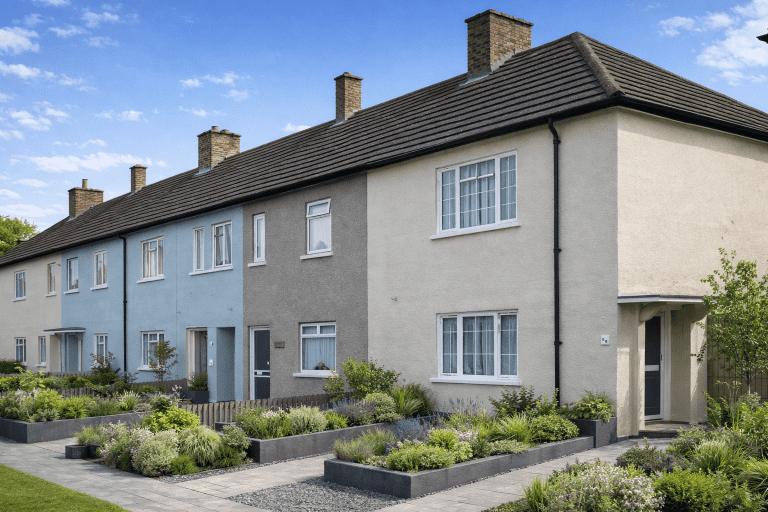
The Dagenham Special house is a rare 1920s municipal concrete construction type built in limited numbers in East London. Recognised for its rendered dense and clinker aggregate concrete walls, hipped roof form and concrete window frames, it requires careful inspection — particularly for cracking and potential corrosion of embedded mild steel components — to properly assess structural condition and long-term performance.
The Craftcast House
|

The Craftcast House

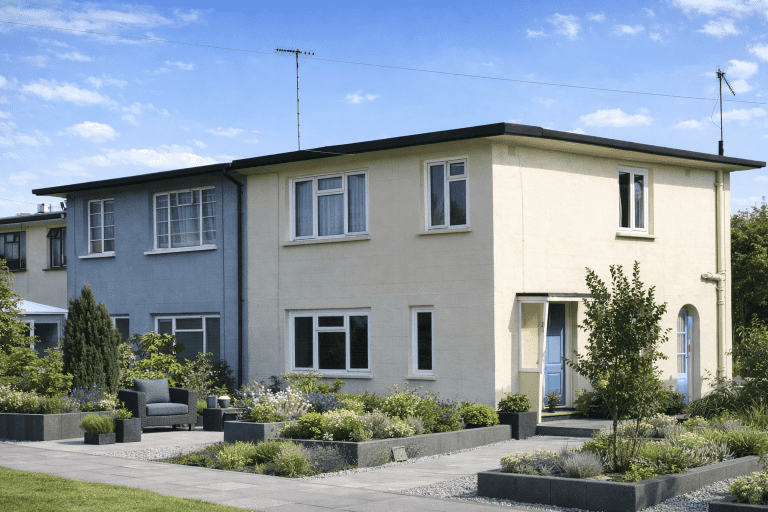
Craftcast houses are a rare post-war reinforced concrete property type, with only around 200 built in the 1940s by Jones & Harvey to a Craftcast Ltd design. Characterised by reinforced concrete walls, floors and flat asphalt-covered roofs with cast-in box gutters, they require careful assessment of concrete durability, embedded steel reinforcement and long-term moisture management before purchase.
The Corvus House
|

The Corvus House

The Corvus House is a rare 1946 post-war non-traditional property designed by N. Rooke and manufactured by William Cowlin & Son Ltd. Constructed using reinforced concrete cavity walls with foamed slag inner leaves and pre-stressed concrete floor and roof elements, only four examples were built. Its durability depends largely on the long-term performance of reinforced concrete components, making careful inspection of carbonation, moisture ingress and structural condition essential.
The Corolite House
|

The Corolite House

The Corolite house is an interwar system-built property constructed using clinker aggregate no-fines reinforced concrete. Built primarily as two-storey terraced homes between 1923 and 1927, these properties are characterised by rendered concrete walls, reinforced concrete first floor slabs in many variants, and hipped tiled or slated roofs. While not officially designated as defective under legislation, long-term risks include cracking from unstable aggregate and corrosion of embedded reinforcement, making careful inspection essential prior to purchase.
The Cook House
|

The Cook House

The Cook House is a rare 1920 system-built reinforced concrete property, with only 14 ever constructed. Typically found in semi-detached suburban settings, these early concrete homes are identifiable by their pebbledash-rendered walls and hipped tiled roofs. However, vertical cracking, potential concrete durability concerns, and moisture-related defects mean careful structural assessment is essential before purchase.
The Conslab House
|

The Conslab House

The Conslab House is an exceptionally rare post-war pre-cast reinforced concrete (PRC) property, with only two examples ever constructed in the UK. Built as two-storey semi-detached dwellings with hipped concrete tiled roofs and pebbledash-rendered walls, they rely heavily on early reinforced concrete slab construction. Careful assessment of concrete durability, carbonation risk and moisture exposure is central to understanding their condition and long-term performance.
The Cast Rendered House
|

The Cast Rendered House

No-Fines houses are a distinctive form of 1940s cast rendered construction developed to address post-war housing shortages. Built using clinker no-fines reinforced concrete, they rely heavily on effective moisture control and sound render condition to maintain long-term structural performance. Understanding their construction, common defects, and inspection priorities is essential before committing to purchase.
The Brydon No-Fines House
|

The Brydon No-Fines House

Brydon No-Fines houses are rare 1940s reinforced concrete properties constructed using 13-inch no-fines concrete walls and concrete floor slabs. With only six built, they are an uncommon example of post-war non-traditional housing. The long-term performance of the reinforced no-fines concrete — particularly in relation to carbonation, embedded steel corrosion, and moisture control — is central to assessing condition, mortgage suitability, and future maintenance requirements.