The Wimpey No-Fines House

The Wimpey No-Fines House

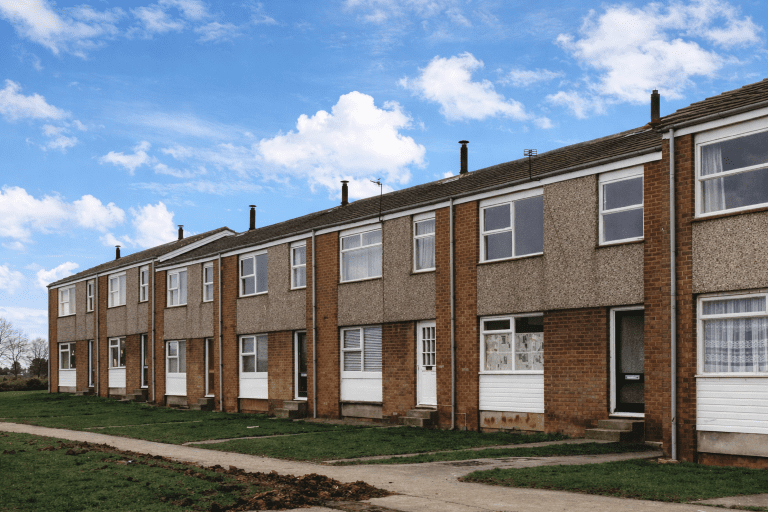
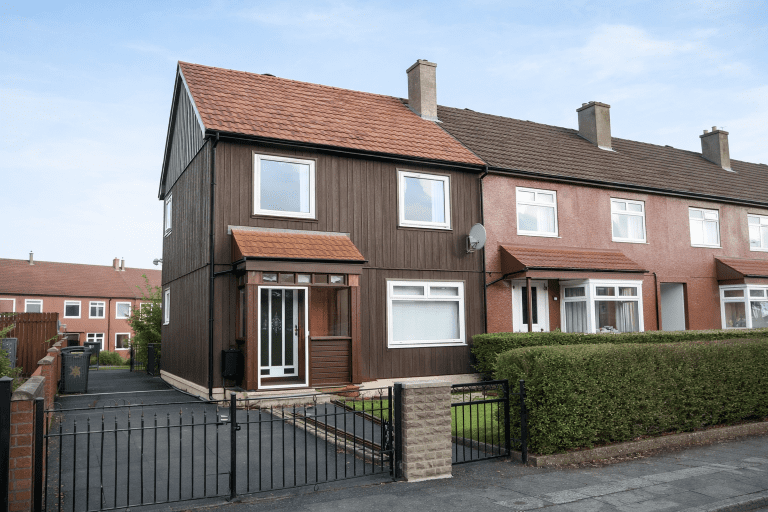
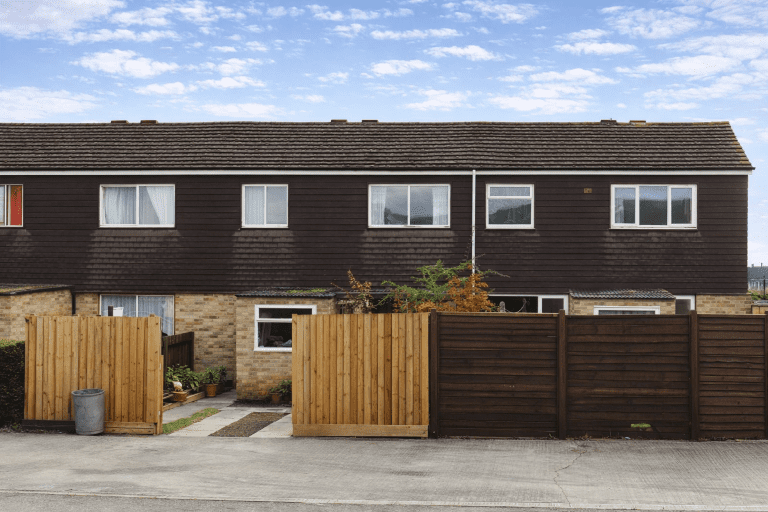
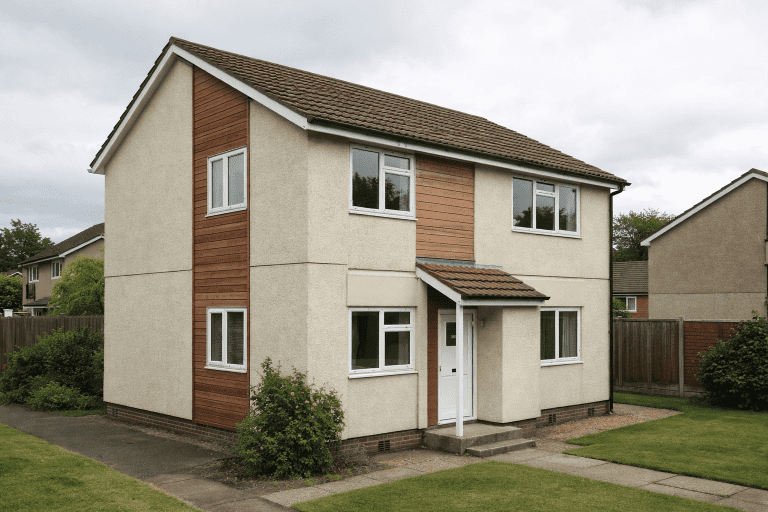
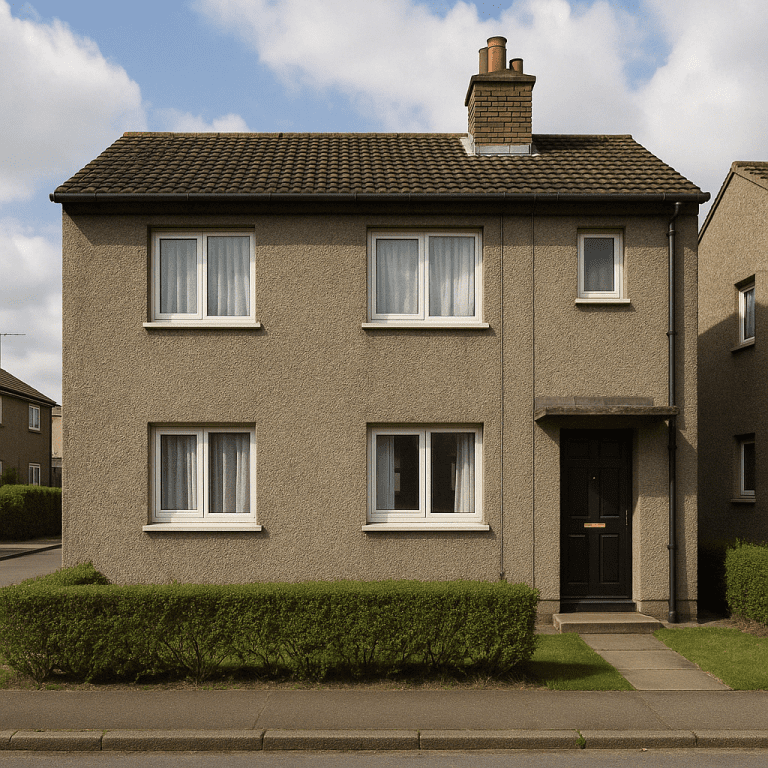
Wimpey No-Fines houses are a form of post-war, non-traditional construction built in the UK between the 1940s and 1970s. Constructed using solid in-situ concrete walls with no fine aggregate, they were designed to provide durable and economical housing at speed. Understanding their distinctive construction is essential when assessing condition, maintenance requirements, and suitability for purchase.
Youngman House

The Youngman House

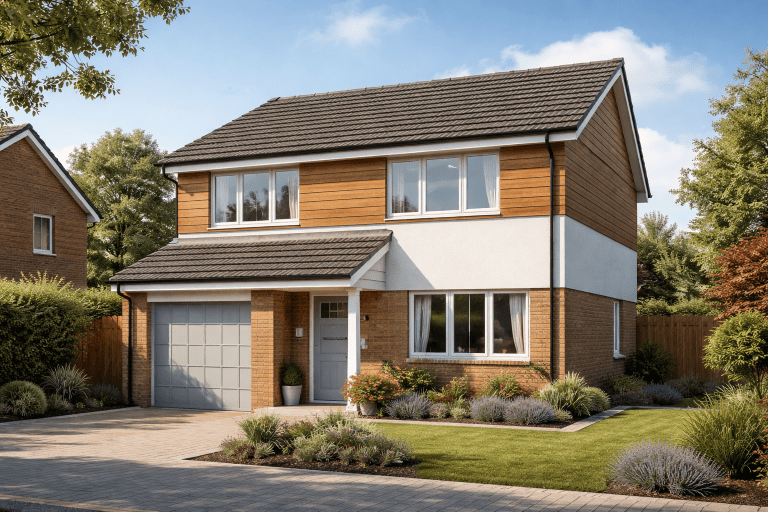
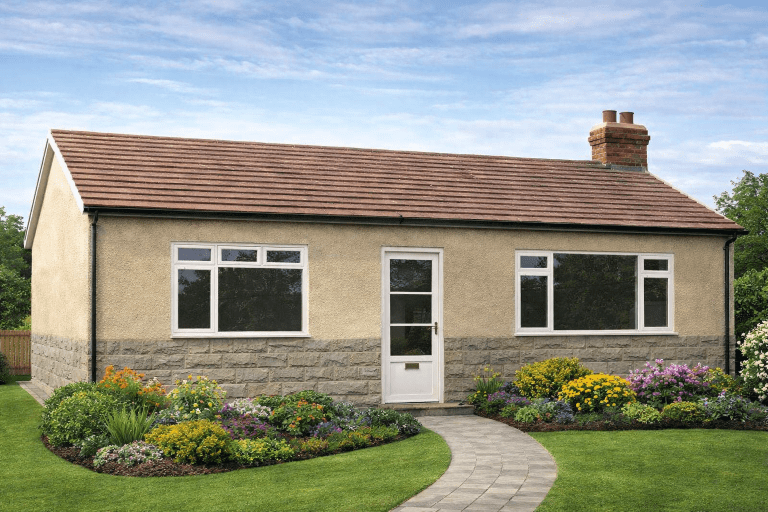
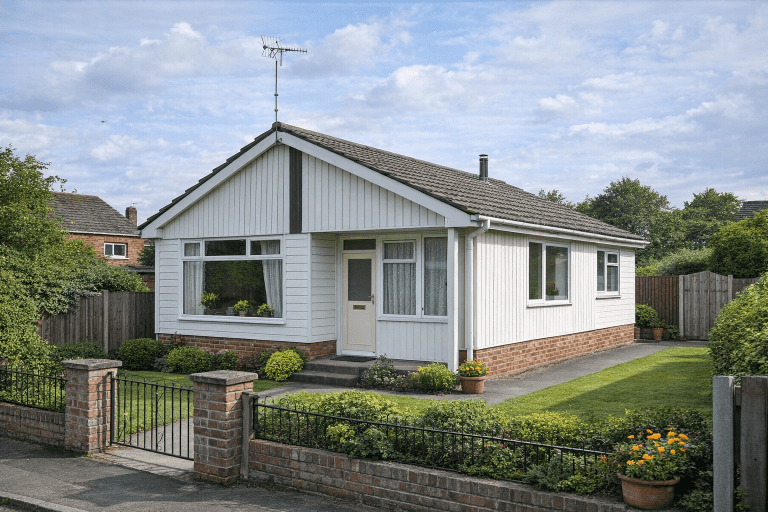
The Youngman house is a distinctive non-traditional UK property type developed during the 1960s as part of the post-war housing programme. Typically built as detached bungalows, these houses use a platform timber frame with vertical timber boarding and lightweight roof coverings. While innovative for their time, their construction requires careful inspection, particularly in relation to timber condition, moisture ingress, and ageing roof materials.
Yuill Houses

Yuill Houses

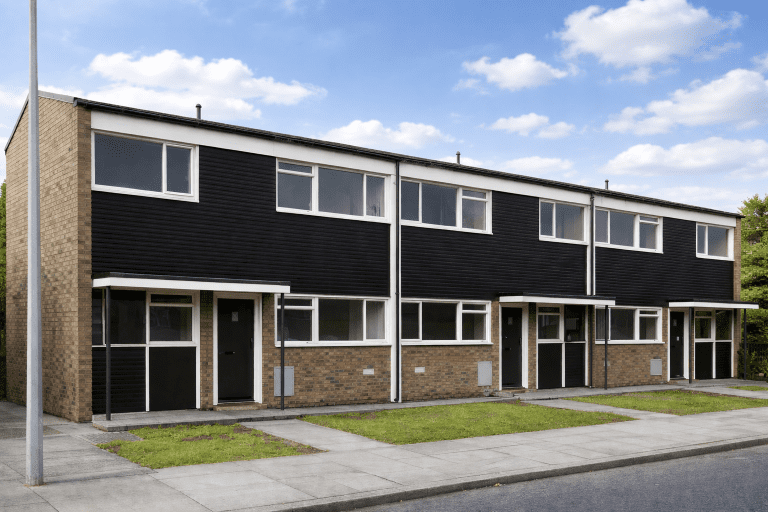
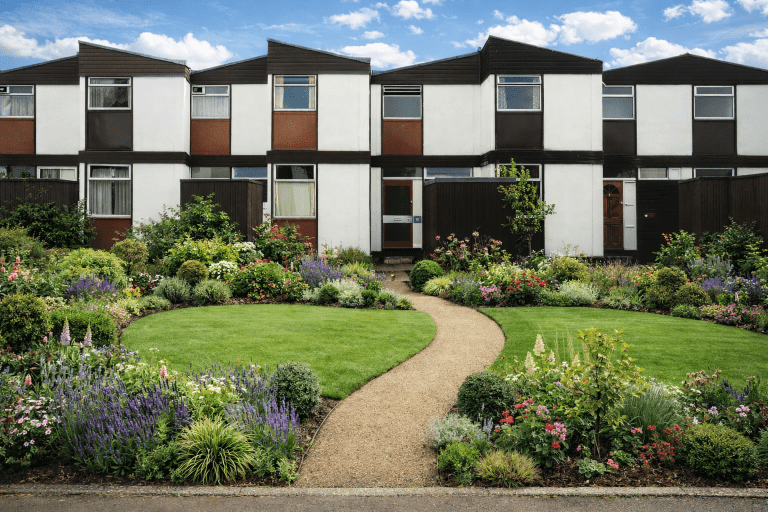
Yuill houses are a limited form of system-built housing developed in the early 1970s, using a timber frame structure with mixed brick and panelled external walls. While generally robust for their age, these properties present construction-specific risks, particularly relating to timber durability, damp protection, and fire stopping. A detailed survey is essential to understand their condition and long-term performance.
wates timber framed

The Wates House

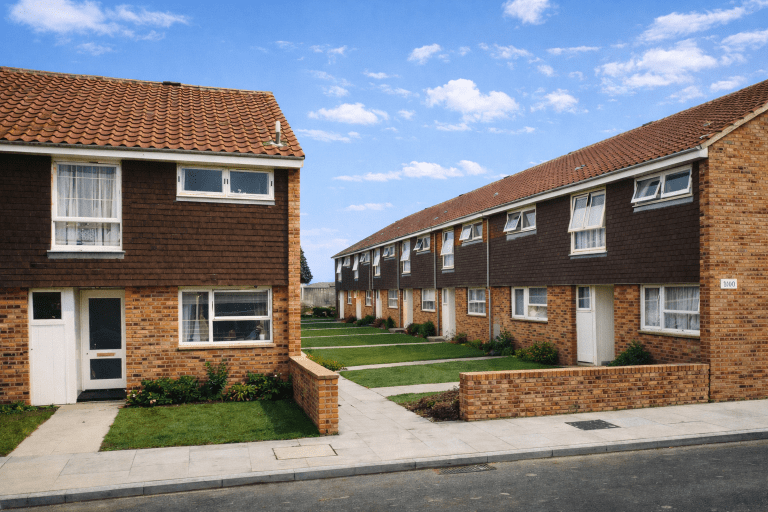
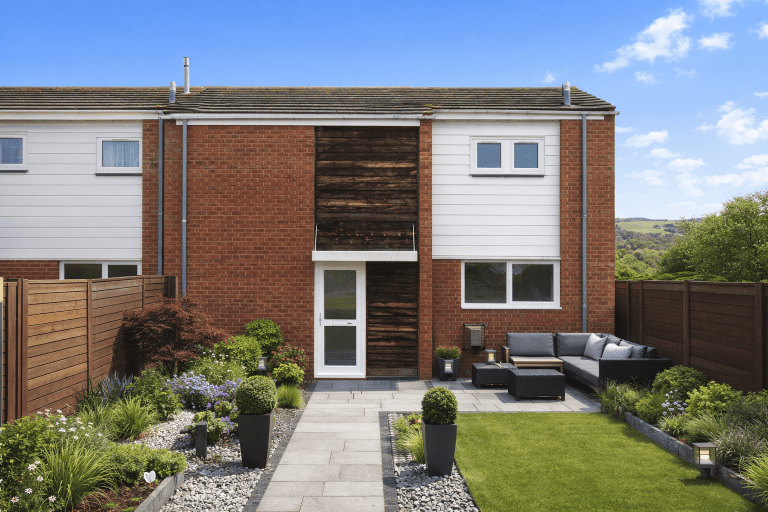
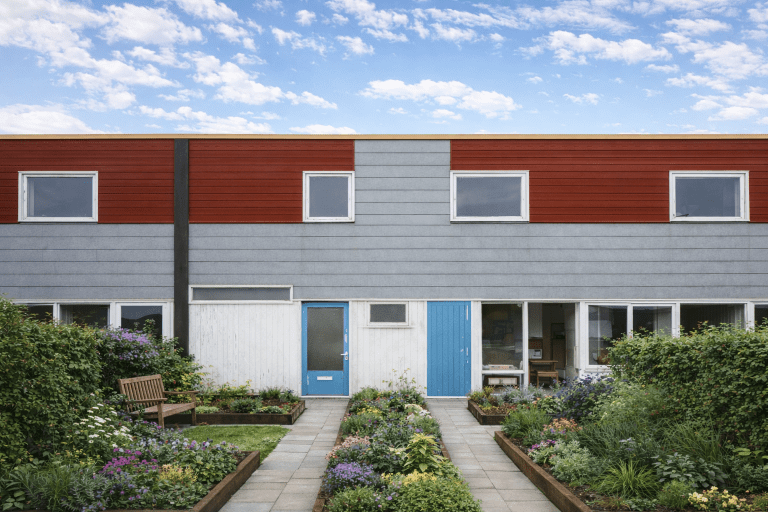
The Wates house is a system-built form of UK housing constructed between 1969 and 1976 to address post-war housing demand. Built using a platform timber frame with brick cladding and areas of tile hanging, these two-storey semi-detached and terraced homes are commonly found in urban and suburban settings. While not classified as defective, their construction requires careful inspection, particularly in relation to moisture control, timber condition, insulation, and ageing roof materials.
The USA Temporary Bungalow House

The USA Temporary Bungalow House

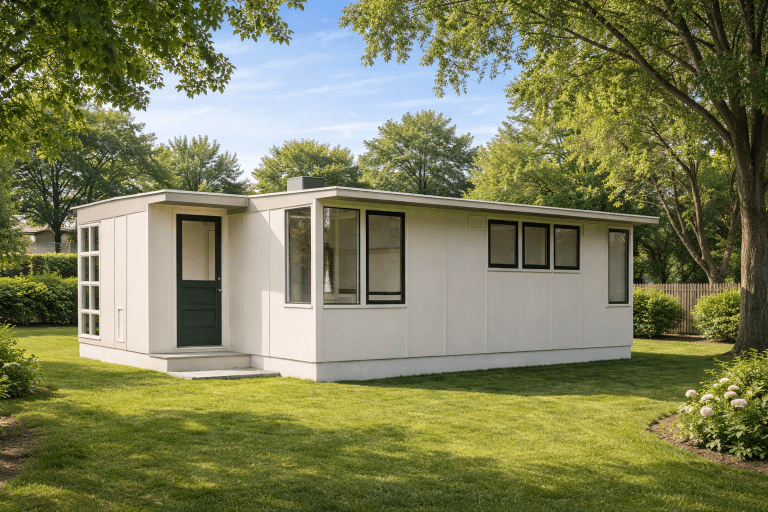
The USA Temporary Bungalow House is a rare form of post-war prefabricated housing developed in the 1940s to address acute housing shortages. Built using lightweight timber framing, fibreboard cladding, and flat felt roofs, these single-storey bungalows were intended as temporary solutions but many remain in use today. While historically significant, their non-traditional construction and ageing materials mean careful inspection and informed assessment are essential before purchase.
The Solid Cedar House

The Solid Cedar House

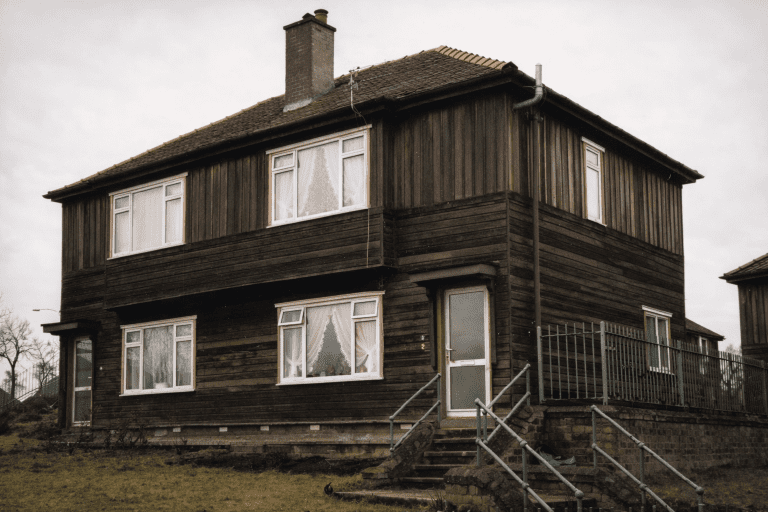
The Solid Cedar house is a rare non-traditional home built between 1938 and 1940, designed by R G Tarran and manufactured by Solid Cedar Homes Ltd. Constructed using a system-built timber panel method with distinctive cedar cladding, these two-storey semi-detached houses are notable for their architectural character and limited numbers. Understanding their construction, potential timber-related risks, and maintenance requirements is essential when assessing condition and suitability today.
The Cameron House
|

The Cameron House

Cameron Houses are a distinctive non-traditional house type built in the early 1970s using platform timber frame construction with lightweight upper storey cladding. While they can provide practical family accommodation, inspection commonly focuses on upper floor performance, external wall build-ups, and fire stopping within wall cavities, all of which can present long-term maintenance and safety considerations.
The Calverley Type I House
|

The Calverley Type I House

The Calverley Type I house is a non-traditional, system-built property developed in the late 1960s and early 1970s, using modular timber frame construction and distinctive external cladding. While innovative for its time, these houses require careful inspection due to issues such as asbestos-containing materials, condensation risk, and detailing weaknesses typical of this form of construction. A clear understanding of how they were built is essential before purchase or major refurbishment.
The Burt Boulton House
|

The Burt Boulton House

The Burt Boulton house is a distinctive form of non-traditional, system-built housing developed in the mid-1970s. Designed by H K Harwood and manufactured by Burt Boulton Ltd, these properties were constructed using volumetric timber-framed units with plywood-based external wall systems. Long-term performance is closely linked to effective moisture control, the condition of original materials, and appropriate ongoing maintenance.