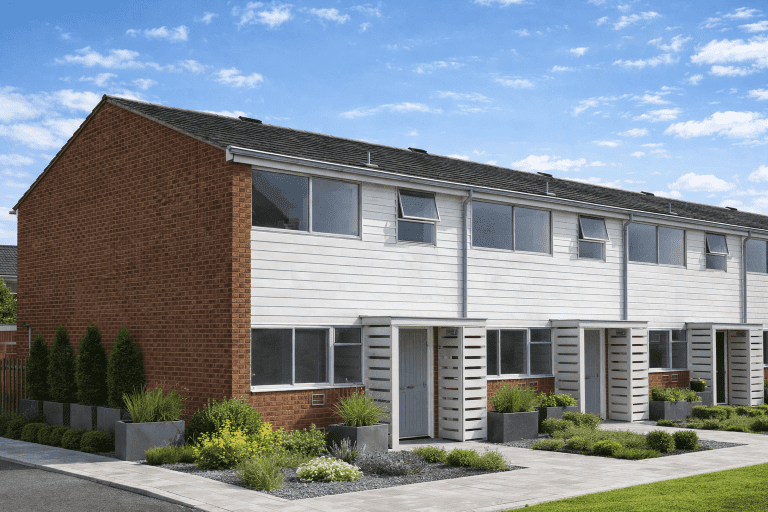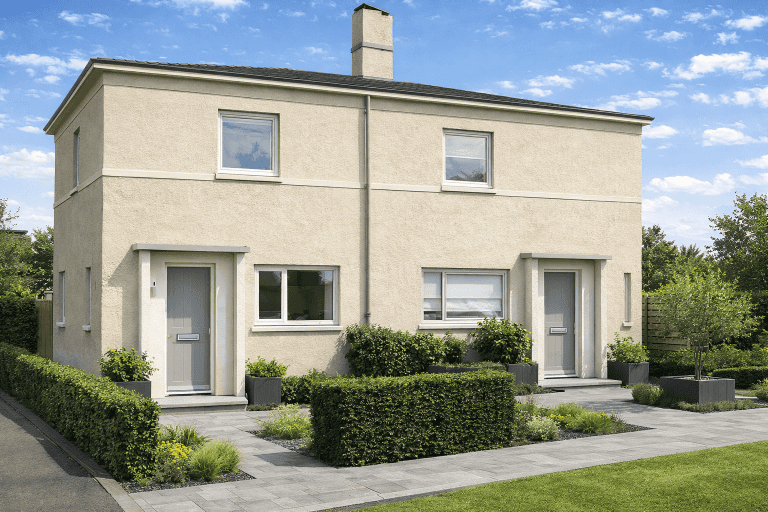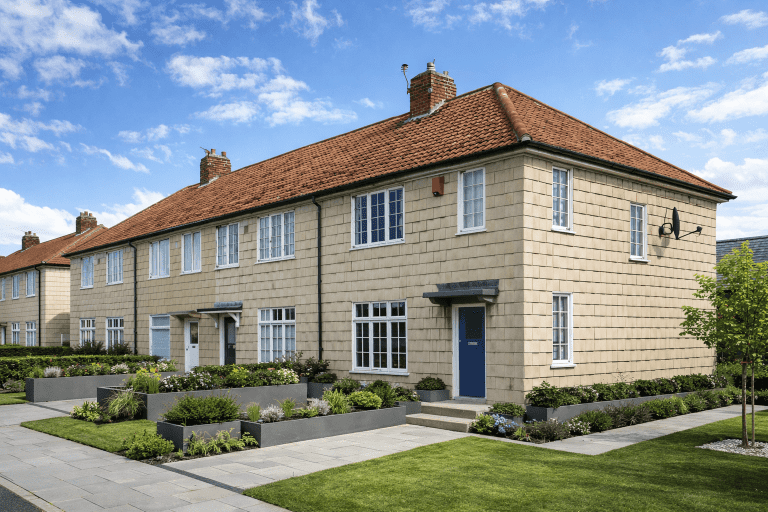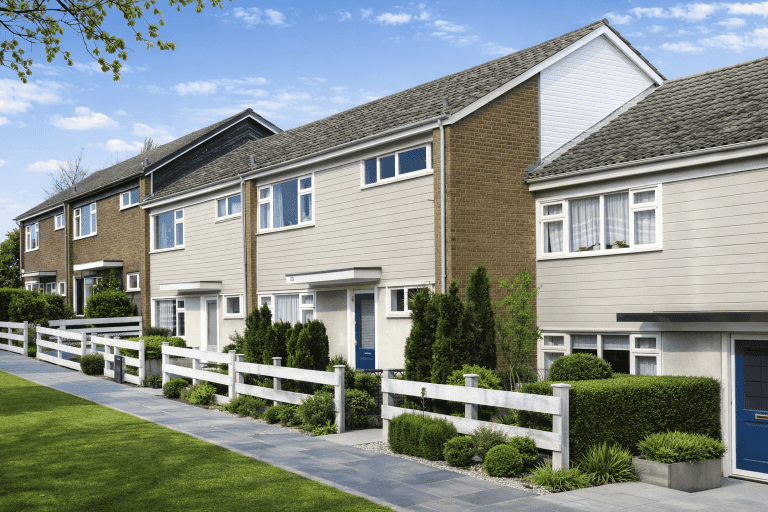
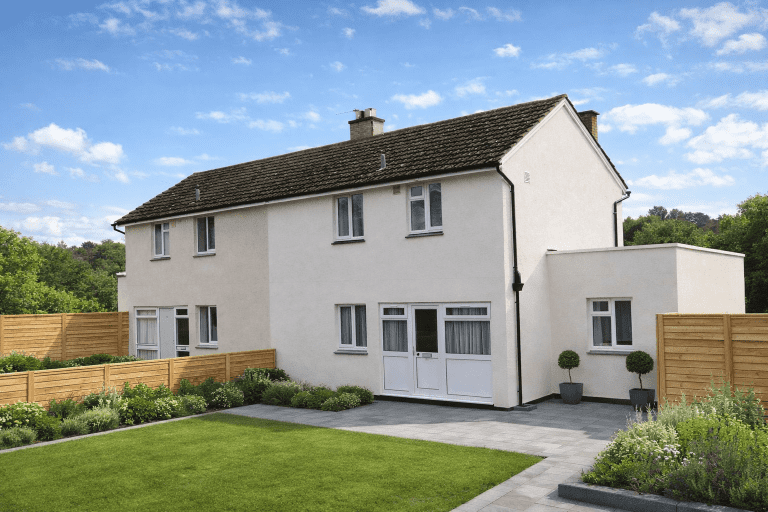
The War Office No-Fines House
|

The War Office No-Fines House

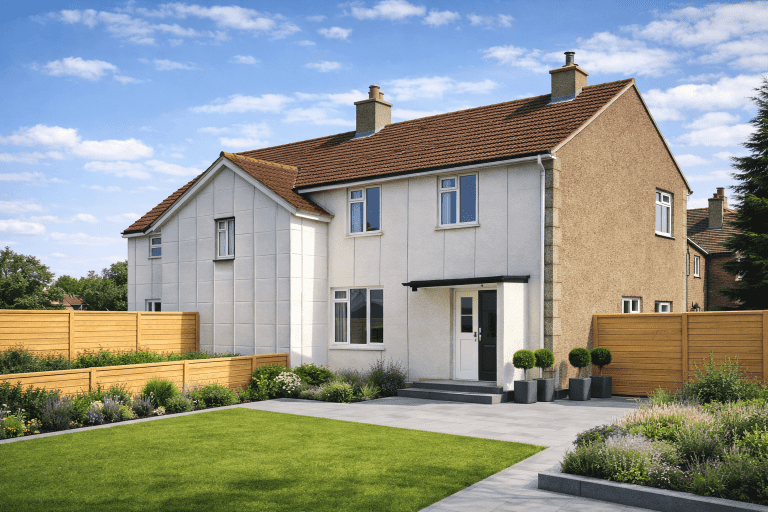
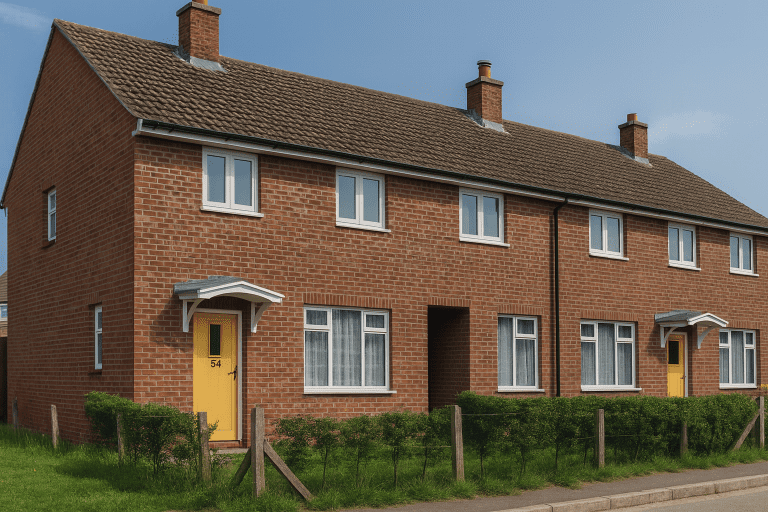
War Office No-Fines houses are a rare form of post-war construction developed in 1953 as part of a collaboration between the Building Research Station and the War Office. Built using solid no-fines concrete, these two-storey semi-detached houses are structurally robust but can present issues such as dampness and cracking to internal plaster panels, making careful inspection essential before purchase.
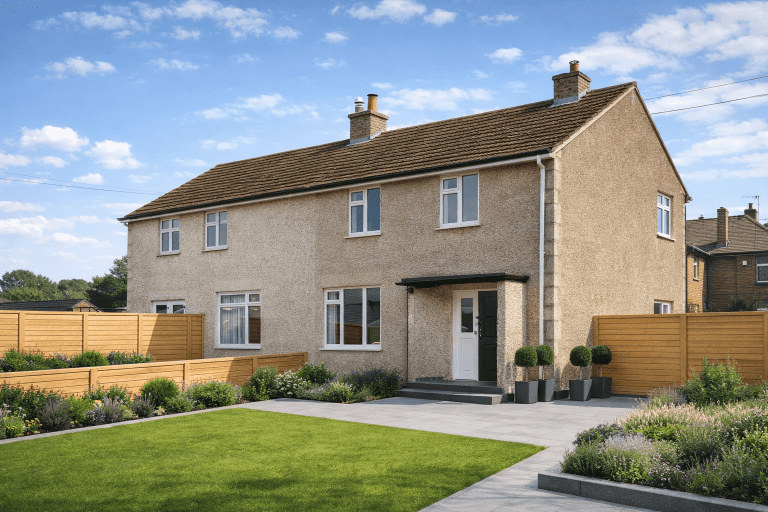
The Unit No-Fines House
|

The Unit No-Fines House

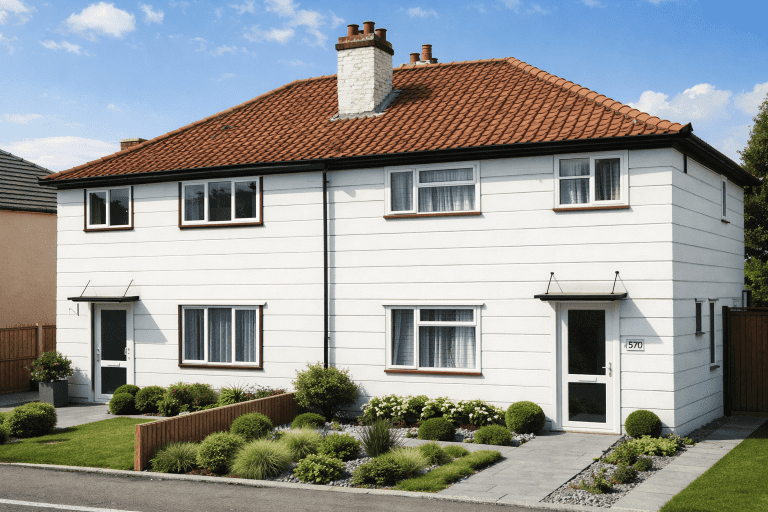
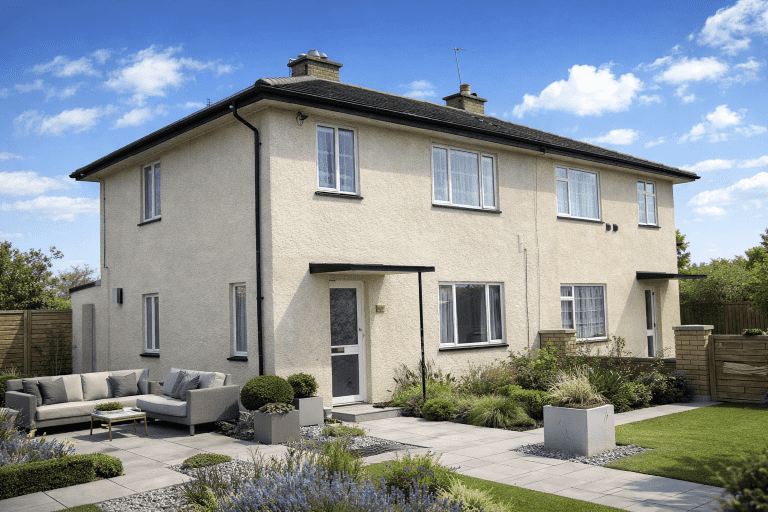
The Unit No-Fines house is a form of non-traditional, system-built housing developed in the UK between the late 1920s and the post-war period. While many remain serviceable, their long-term performance is closely tied to the condition of the no-fines concrete and embedded reinforcement. Cracking patterns, concrete quality, and moisture behaviour are therefore central considerations when assessing these properties prior to purchase.
The Tenaplas House
|

The Tenaplas House

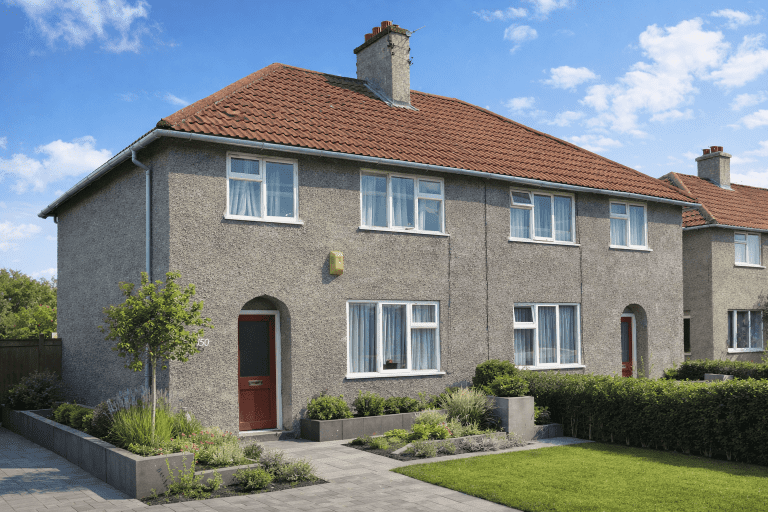
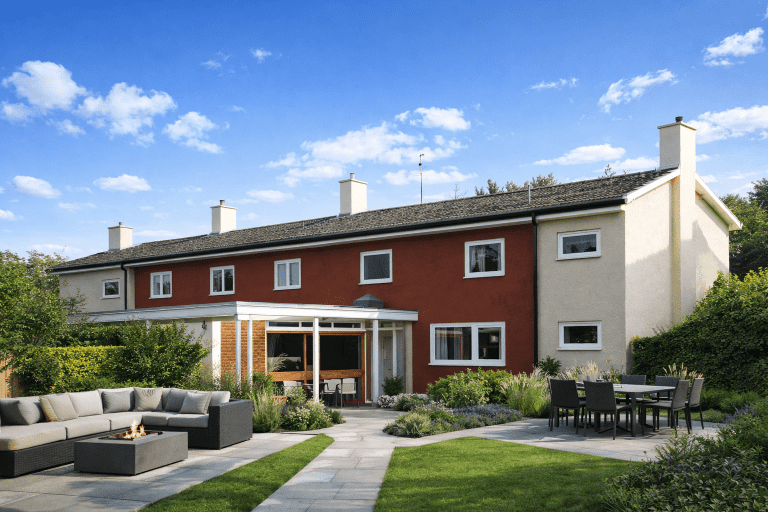
The Tenaplas house is an exceptionally rare form of 1940s non-traditional construction, with only two examples ever built. Developed by Tenaplas Ltd in collaboration with Edron Trust, it combines reinforced concrete framing with hollow woodwool slab infill panels and rendered external walls. While innovative for its time, this form of construction requires careful inspection today, particularly in relation to reinforced concrete condition, moisture ingress, and long-term material durability.
The SSHA Wartime Cellular Concrete House
|

The SSHA Wartime Cellular Concrete House

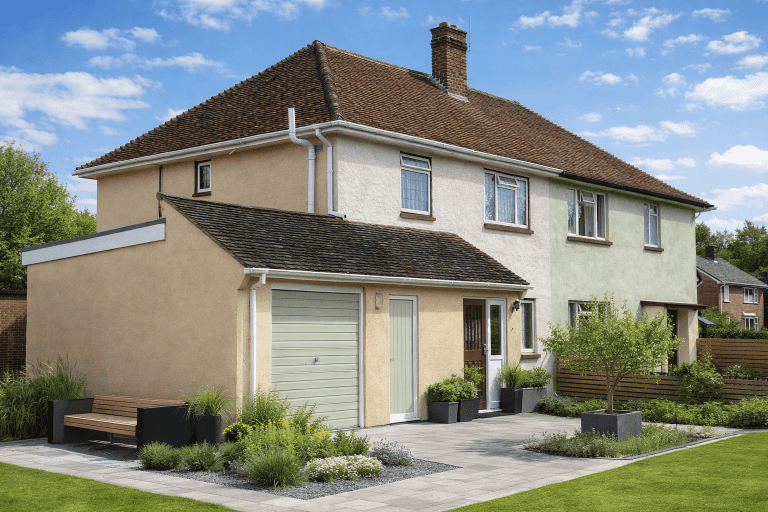
The SSHA Wartime Cellular Concrete house is a rare form of post-war, non-traditional housing developed during the 1940s to address acute housing shortages. Constructed using no-fines (cellular) concrete and flat reinforced concrete roofs, these properties differ markedly from traditional masonry houses. Understanding their construction, typical defects, and inspection priorities is essential when assessing condition, maintenance risk, and long-term performance.
The Quikform House
|

The Quikform House

Quikform houses are a post-war, system-built form of UK housing developed from 1945 using reinforced concrete and clinker block construction. Typically arranged as two-storey semi-detached or terraced properties, they were designed for rapid delivery during acute housing shortages. While robust in concept, their long-term performance depends heavily on the condition of the concrete, embedded reinforcement, and moisture protection, making careful inspection essential prior to purchase.
The Permacrete House
|

The Permacrete House

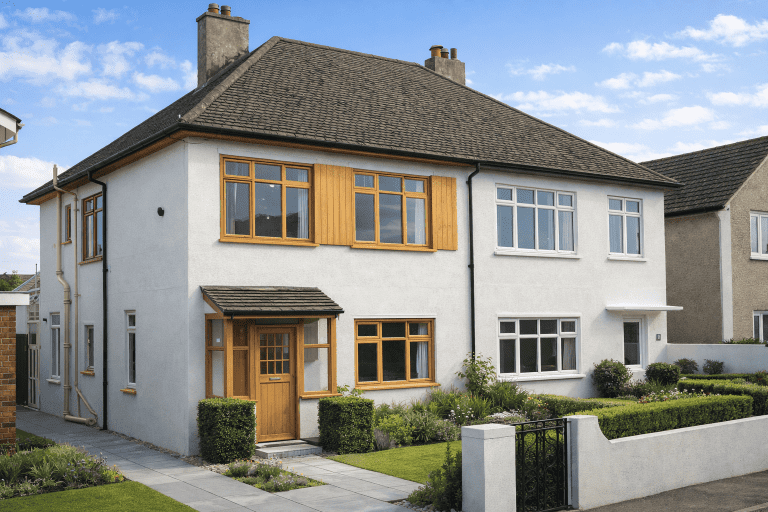
Permacrete houses, also known as Cemacrete or Cemalite, are 1940s reinforced concrete system-built properties developed to address post-war housing shortages. Constructed using pre-cast slabs and reinforced concrete infill, they are typically two-storey semi-detached homes with rendered elevations and hipped tiled roofs. While robust in concept, long-term performance depends on the condition of embedded steel reinforcement, damp-proof detailing, and overall maintenance.
The Parkwall House
|

The Parkwall House

The Parkwall house is a 1960s system-built property manufactured by Sir Lindsay Parkinson & Co., with around 3,100 units constructed during the post-war housing drive. Typically found as bungalows or two-storey terraces, these homes feature plywood-clad front and rear elevations, brick flank walls, and either pitched tiled roofs or flat felted coverings. While innovative for their time, long-term performance depends heavily on the condition of the cladding, roof coverings, and any reinforced concrete structural elements, making careful inspection essential before purchase.