The Spaceway House
|

The Spaceway House

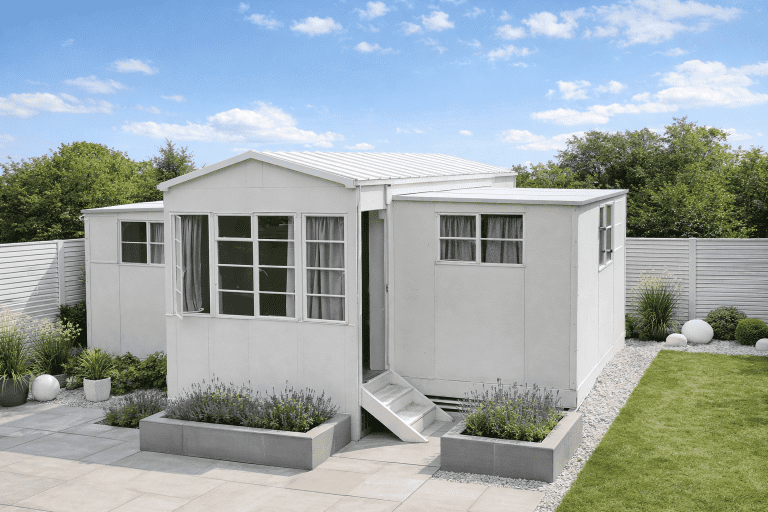
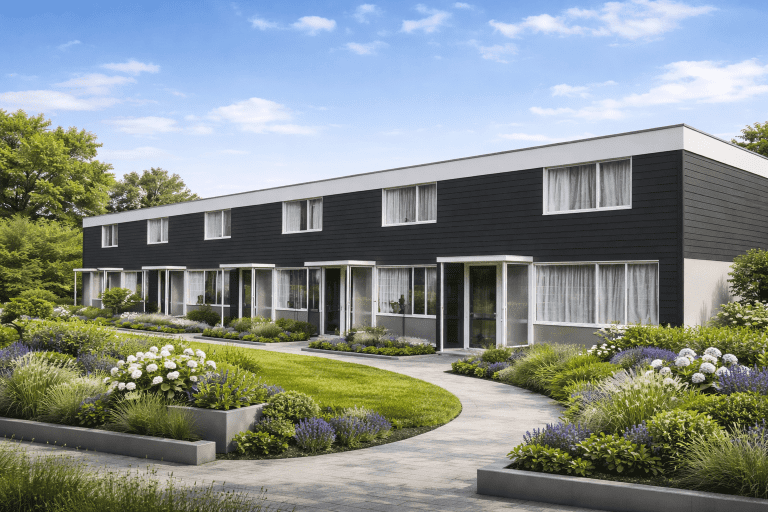
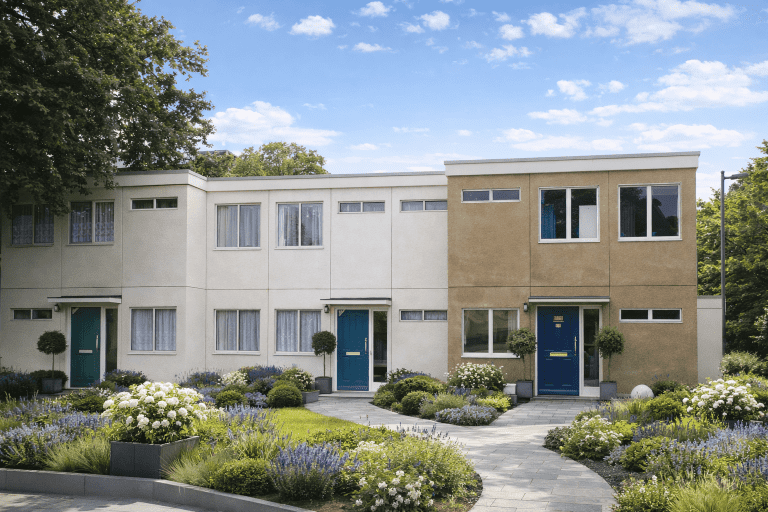
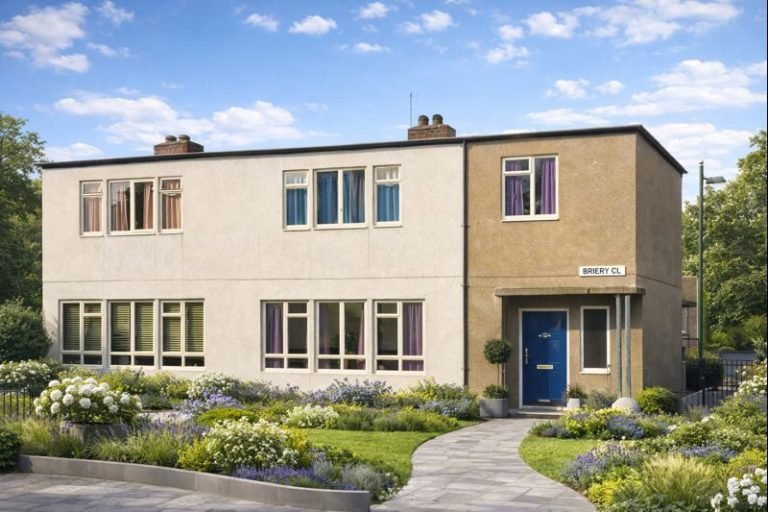
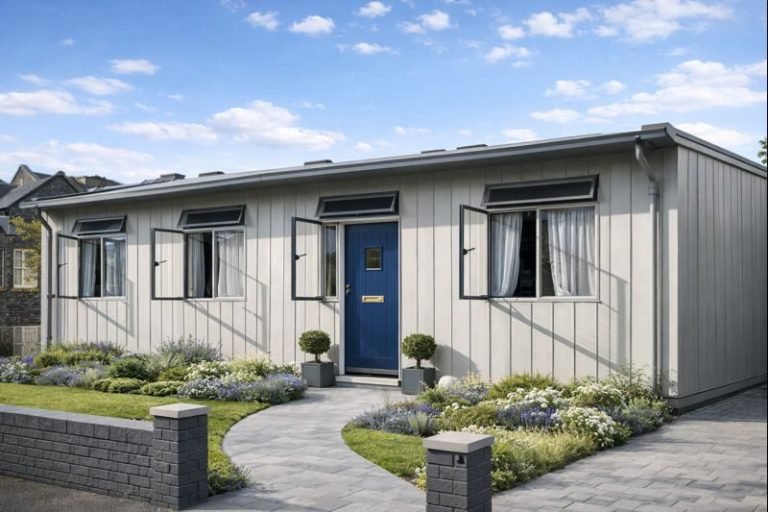
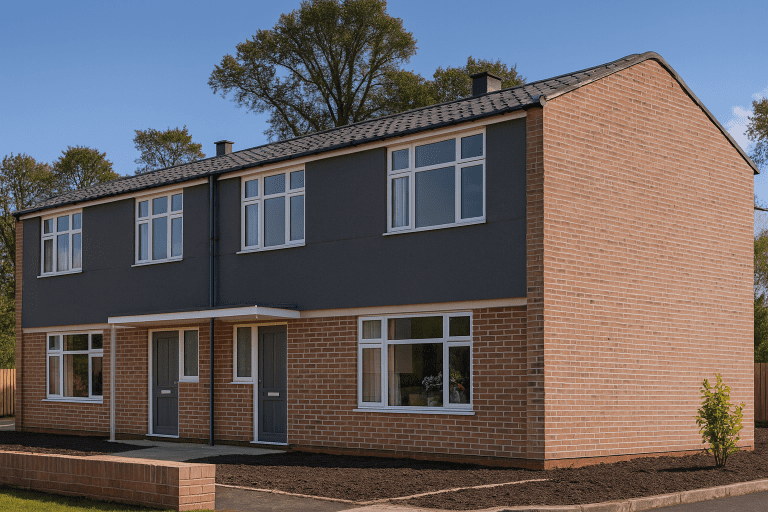
The Spaceway House is a rare form of 1970s non-traditional housing, constructed in limited numbers using a steel-framed volumetric system with glass-reinforced plastic external cladding. Typically found as detached or linked bungalows, these properties are easily identified by their shallow roof forms, rounded-corner windows, and lightweight panel construction. Careful inspection is essential due to age-related risks associated with steel corrosion, GRP degradation, and flat or low-pitch roof coverings.
The RTB Temporary Bungalow
|

The RTB Temporary Bungalow

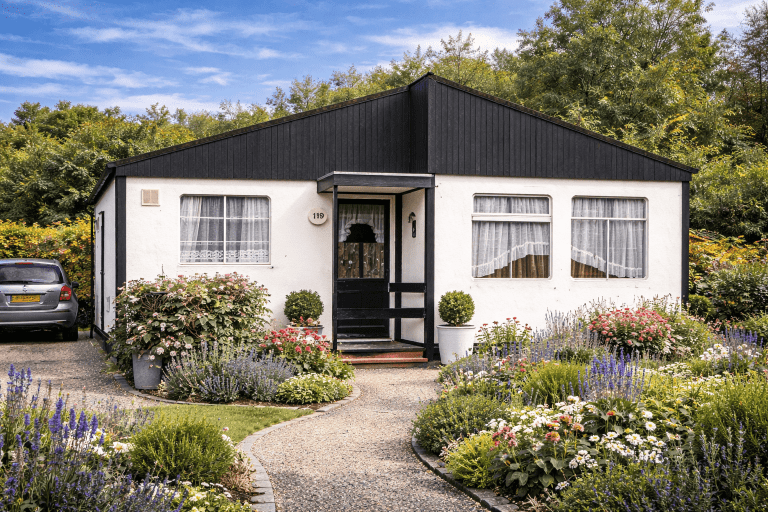
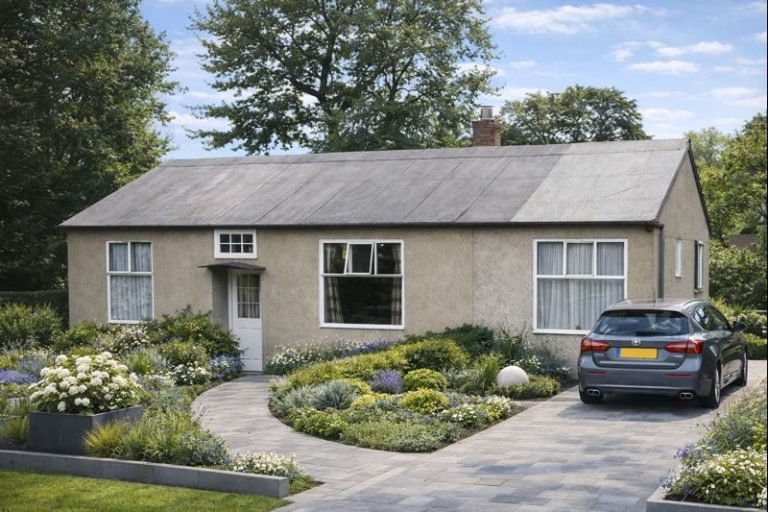
The RTB Temporary Bungalow is a rare post-war prefabricated dwelling developed in the 1940s by Richard Thomas & Baldwins to address acute housing shortages. Constructed around a steel frame with metal-clad walls and roof, these bungalows reflect the material constraints of the period and present specific inspection priorities today, particularly around corrosion, condensation, and long-term durability.
The Rothschild House
|

The Rothschild House

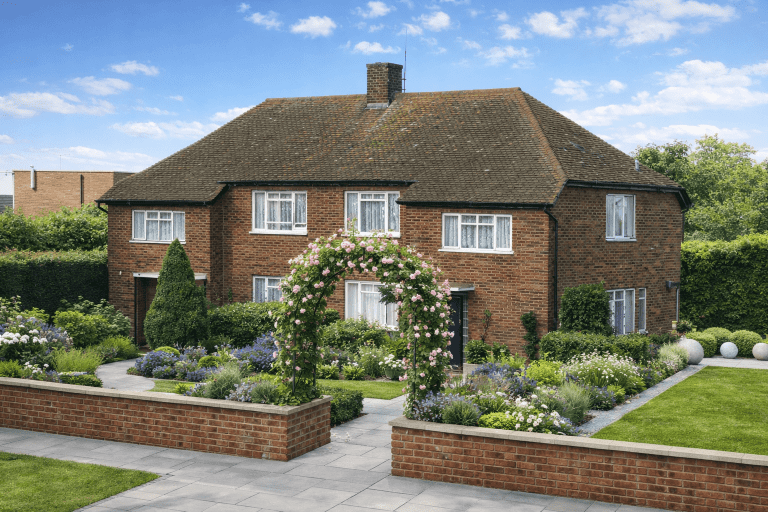
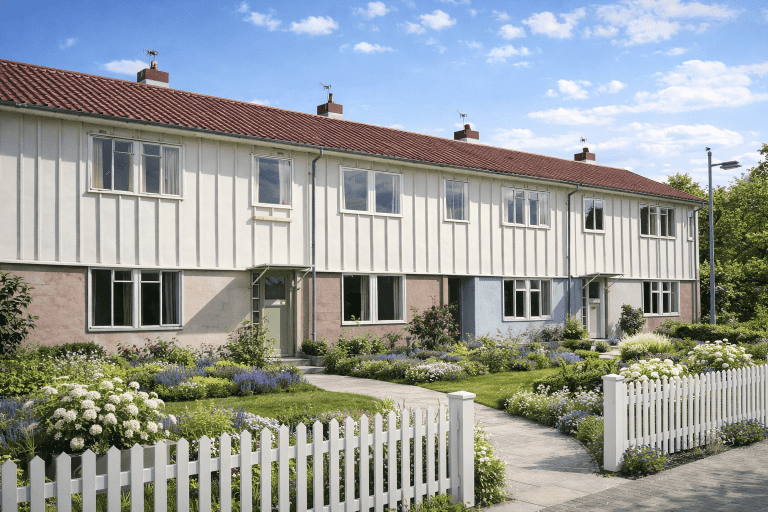
Rothschild Houses, also known as Shamah Houses, are a rare form of post-war semi-detached housing built between 1946 and 1948. Externally traditional in appearance, with brick elevations and hipped tiled roofs, they are underpinned by a steel-framed structural system on a reinforced concrete raft foundation. While not classed as defective, the long-term condition of concealed steelwork and protective coatings remains a key inspection consideration for prospective purchasers.
The Riley House
|

The Riley House

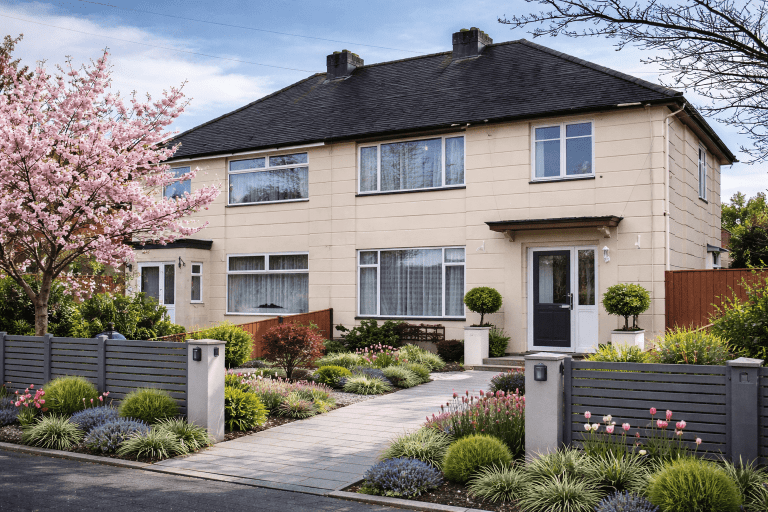
The Riley House is a rare non-traditional property type developed in the 1940s to address post-war housing shortages. Built using a steel frame with lightweight external wall construction and asbestos-containing roof coverings, these houses require a condition-led approach to inspection. Corrosion to steel elements and the management of asbestos materials remain the primary technical considerations when assessing a Riley House for purchase.
The Resiform House
|

The Resiform House

Resiform houses are a very rare form of 1960s system-built housing, constructed using glass fibre reinforced resin wall panels backed with asbestos cement. Built in extremely limited numbers, they sit firmly within the non-traditional category and require careful inspection, particularly in relation to panel condition, moisture performance, and asbestos management. A detailed building survey is essential to understand their construction-specific risks and long-term maintenance implications.
The Reith House
|

The Reith House

The Reith House is a rare form of non-traditional housing dating from 1926, constructed using early steel panel systems rather than traditional masonry. Manufactured by John Cran & Somerville Ltd, only four examples are believed to have been built. Their condition today is heavily dependent on the performance of protective coatings to the steel structure and the condition of concealed timber and fibreboard linings, making careful inspection essential.
The Quality House
|

The Quality House

The Quality House is a post-war, non-traditional property developed in 1945 using steel-framed construction and flat roof detailing. While distinctive in appearance, these homes present specific inspection considerations, particularly around steel corrosion, flat roof performance, and the potential presence of asbestos-containing materials. A detailed building survey is essential to properly assess condition, refurbishment history, and associated risks before purchase.
The Portal Temporary Bungalow
|

The Portal Temporary Bungalow

A Portal Temporary Bungalow is an exceptionally rare form of post-war prefabricated housing, constructed in 1944 using pressed steel components as an emergency response to housing shortages. While historically significant, its long-term condition depends heavily on corrosion control, moisture management, and informed inspection of the original steel structure.