


Overview
A recent building survey was undertaken at a residential property on Blackthorn Drive, Larkfield, Aylesford ME20. The inspection provides a practical snapshot of the condition issues commonly encountered in late 20th century housing in this area and highlights matters that warrant closer attention before purchase.
The property was assessed as part of a pre-purchase building survey, focusing on visible construction, condition, and defects apparent at the time of inspection.
Location: Blackthorn Drive, Larkfield, Aylesford ME20
Property age: Late 20th century
Construction type: Brick cavity walls, concrete foundations, tiled pitched roof
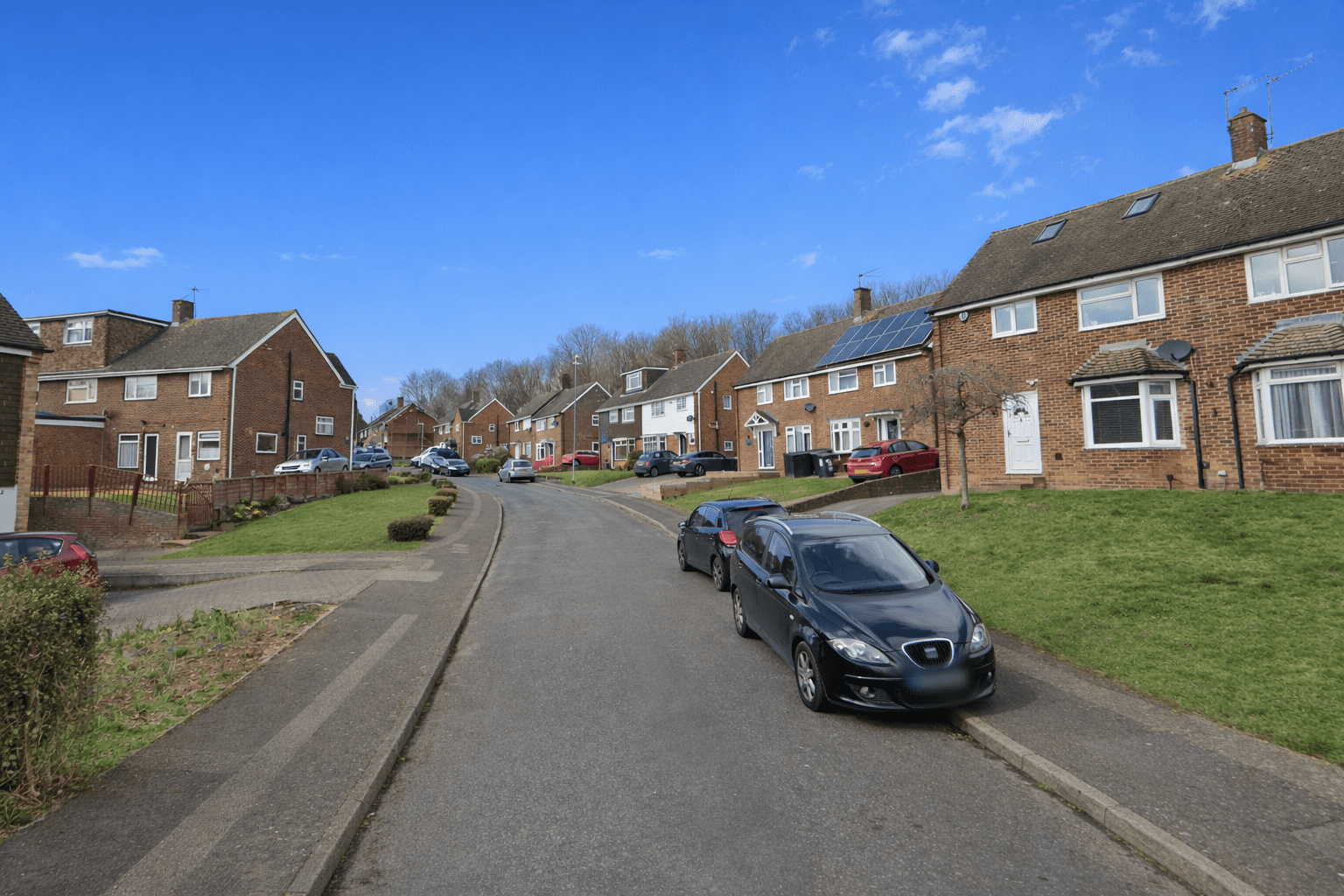
Typical characteristics & construction
The property reflects common late 20th century residential construction, with brick cavity external walls built off concrete foundations and a tiled pitched roof. This form of construction generally performs well when maintained, but defects often arise where detailing has weathered or routine maintenance has lapsed.
Internally, finishes were typical for the period. No intrusive inspection was undertaken, and assessments were limited to visible and accessible areas at the time of the survey.
| Element | Typical construction | Inspection focus |
|---|---|---|
| Foundations | Concrete strip foundations | Signs of movement, cracking, or settlement |
| External walls | Brick cavity construction | Cracking, damp penetration, wall tie related defects |
| Roof | Pitched roof with concrete tiles | Tile condition, flashing integrity, water ingress risk |
| Rainwater goods | Plastic guttering and downpipes | Blockages, leaks, and overflow staining |
Potential hazards & inspection priorities
During inspection, the brickwork was generally in sound condition, with no widespread spalling or efflorescence noted. Minor cracking was present in places. In practice, this is not unusual for properties of this age, but such cracking should be monitored for any signs of progression.
The roof covering itself appeared serviceable; however, deterioration to the flashing around the chimney stack was evident. This is a higher-priority issue, as defective flashing is a common route for water ingress and can lead to concealed damage if left unresolved.
Blocked or partially obstructed guttering was also observed. This is a management issue rather than a structural defect, but it can exacerbate damp-related problems if not addressed.
Internally, areas of dampness were identified, particularly within the basement. This was evident during inspection and may relate to ventilation deficiencies or damp-proof course performance. Further investigation would be prudent before committing to purchase.
Is this house right for you?
A house on Blackthorn Drive may be well suited to purchasers seeking a settled residential area with good local amenities, provided they are prepared to address routine maintenance and isolated defects typical of late 20th century construction.
- Budget for roof and rainwater goods repairs where detailing has deteriorated
- Investigate and manage dampness, particularly in below-ground areas
- Monitor minor cracking for signs of movement over time
Mortgage & resale considerations
From a construction perspective, brick cavity houses of this era are generally well understood by lenders. Condition, rather than construction type, is usually the deciding factor.
Unresolved damp issues or evidence of ongoing water ingress can influence lending decisions, making clear survey reporting and remedial action important considerations.
What a survey can — and cannot — tell you
A building survey provides an informed assessment of the visible condition and construction of a late 20th century brick cavity house. Inspections are non-intrusive and limited to areas that are accessible at the time of inspection.
- Identify visible cracking and signs of structural movement
- Assess evidence of dampness, moisture ingress, and condensation risk
- Comment on roof coverings, flashings, and rainwater goods
- Review the general condition of accessible internal finishes and structural elements
- Highlight defects requiring repair, monitoring, or further investigation
However, there are limitations to what a survey can determine without intrusive investigation.
- Confirm the condition of concealed wall ties or damp-proof courses
- Inspect hidden structural elements behind finishes
- Assess concealed areas such as floor voids where access is restricted
- Determine the full extent of dampness within concealed construction
Where higher-risk indicators are identified, further specialist or intrusive investigation may be recommended.
For a thorough building survey in Greater London, an instant quotation can be obtained through the online survey calculator.
At Flettons, assistance is available when considering a property purchase, with surveys carried out to identify defects that may not be apparent during a viewing. Enquiries can also be made by telephone on 0330 043 4650.
Considering a House?
A detailed building survey can help clarify construction-specific risks before committing to a purchase.
Get your instant survey quoteDisclaimer: This article is provided for general educational purposes only and is based on industry research, professional knowledge, and experience. It does not relate to any specific property and should not be relied upon when making a purchasing decision. Prospective purchasers should always commission an independent RICS-qualified surveyor to conduct a full inspection and provide a report on the actual condition of any property of interest.
