The Bur-Pal House
|

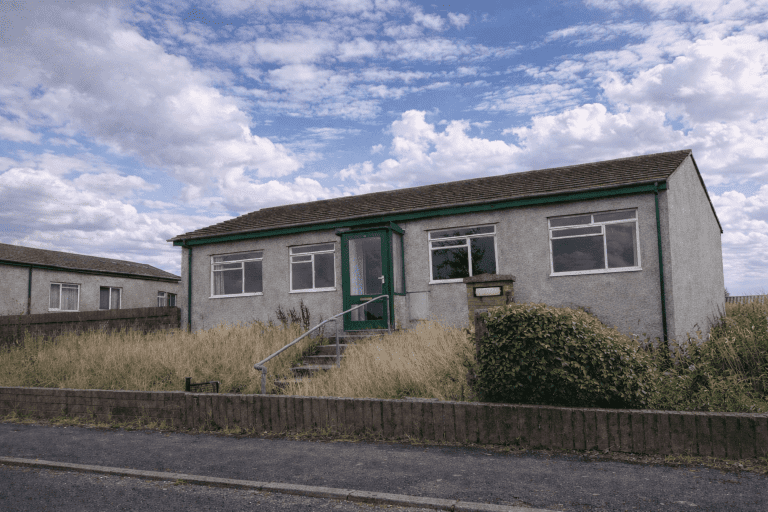
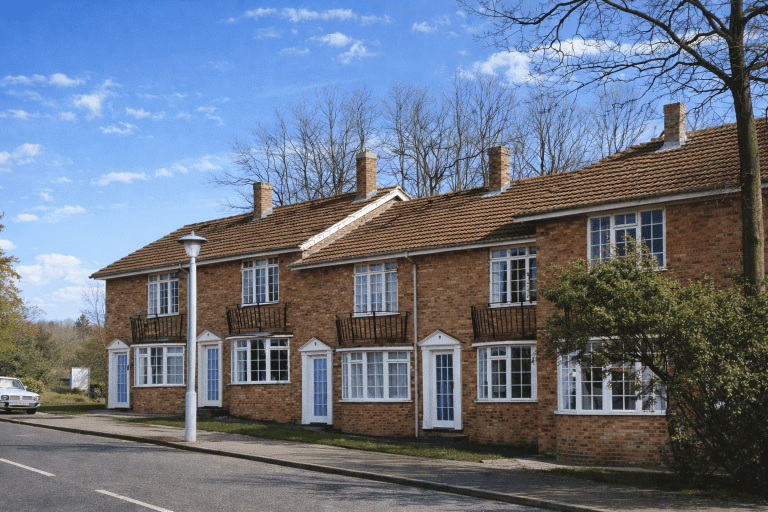
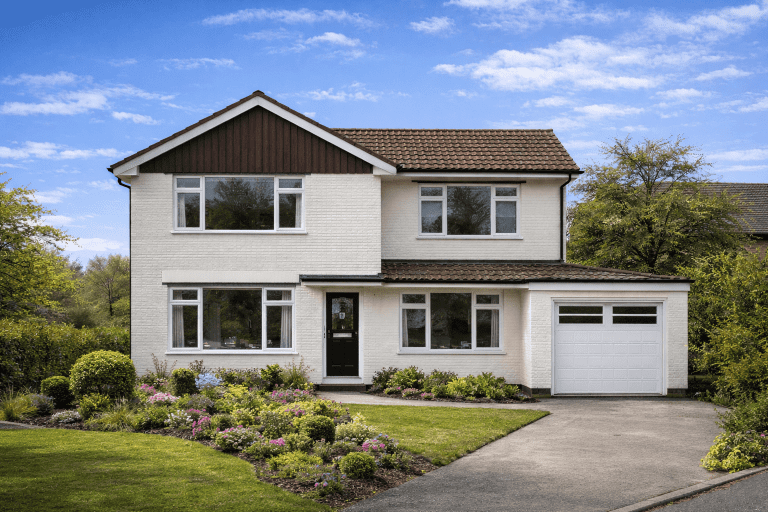
The Bur-Pal House

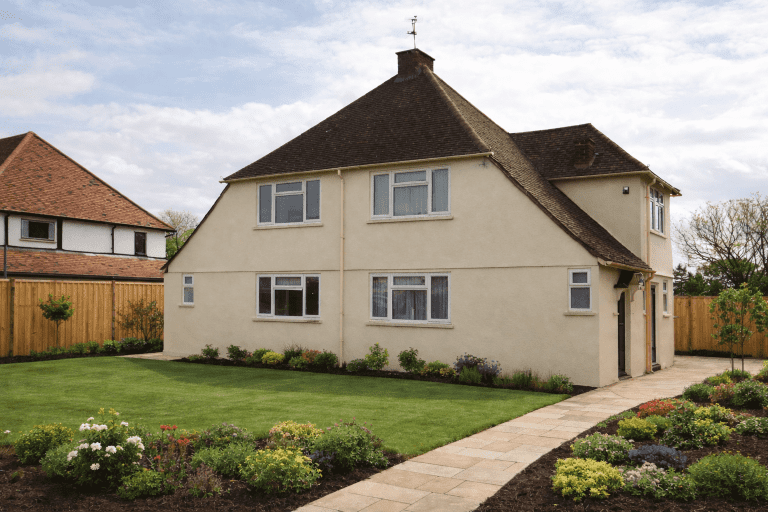
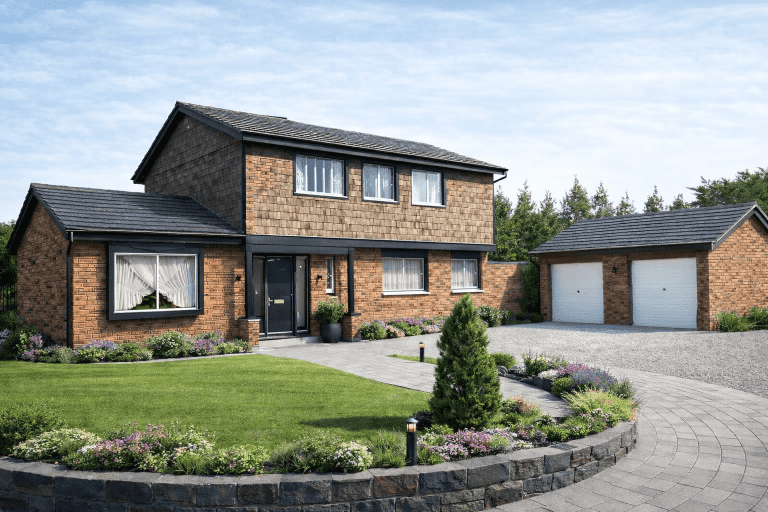
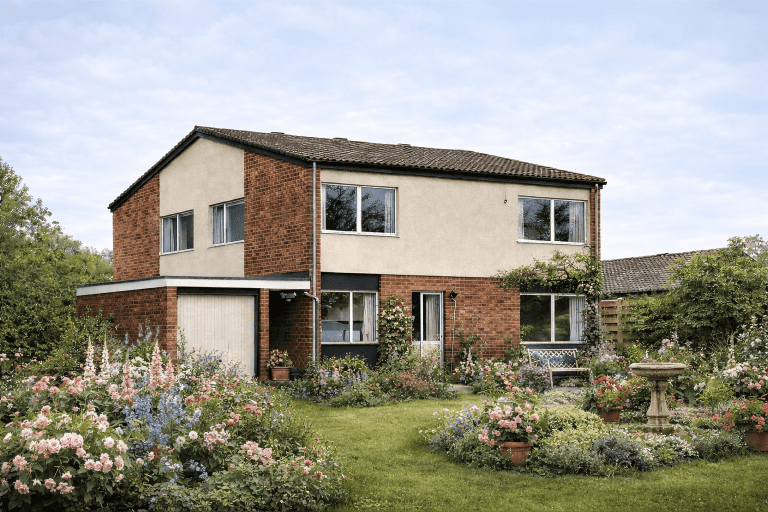
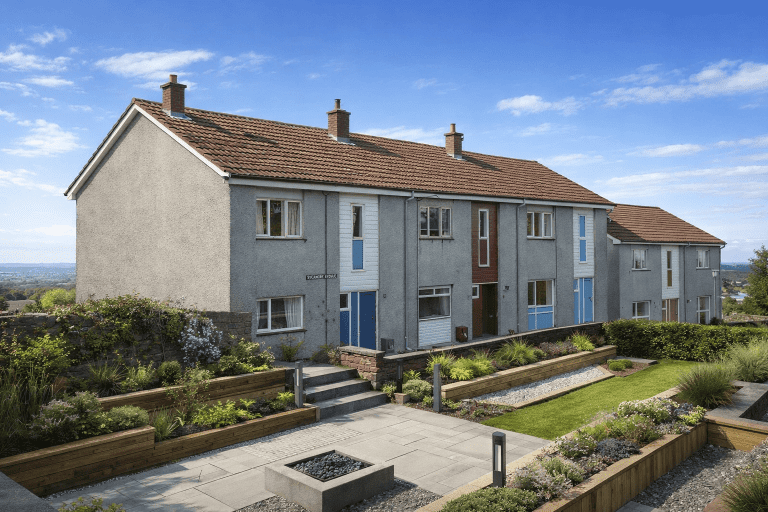
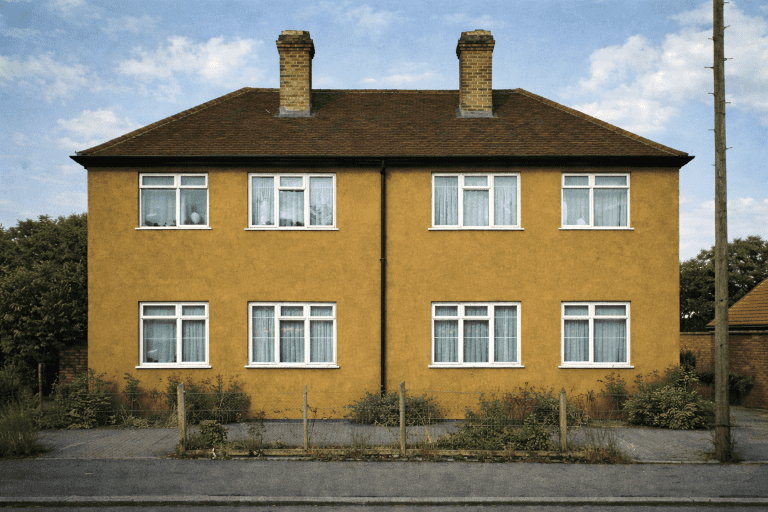
The Bur-Pal house is an early 20th-century system-built property dating from the 1920s, developed to meet growing demand for economical housing. Typically encountered as two-storey semi-detached dwellings, these houses are characterised by rendered external walls, balloon-frame timber construction, and hipped roofs finished with asbestos cement slates. While historically significant, their long-term performance depends heavily on maintenance of the render and careful management of asbestos-containing materials, making condition and inspection findings more critical than age alone.
The Burt Boulton Bungalow
| |

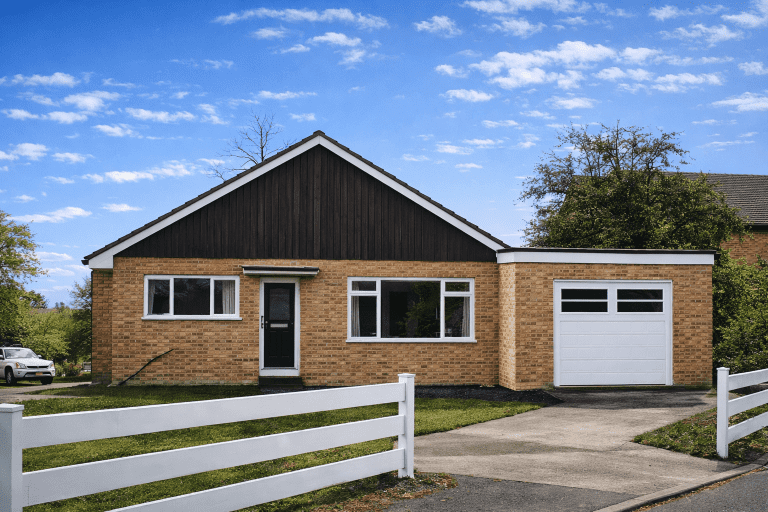
The Burt Boulton Bungalow

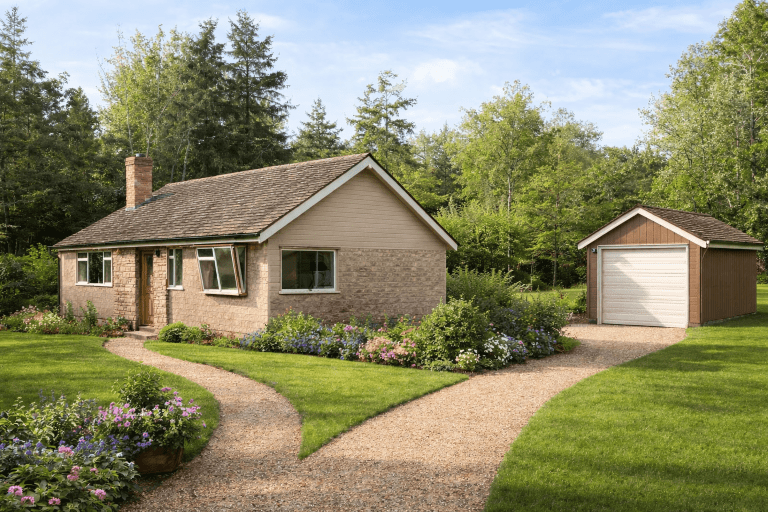
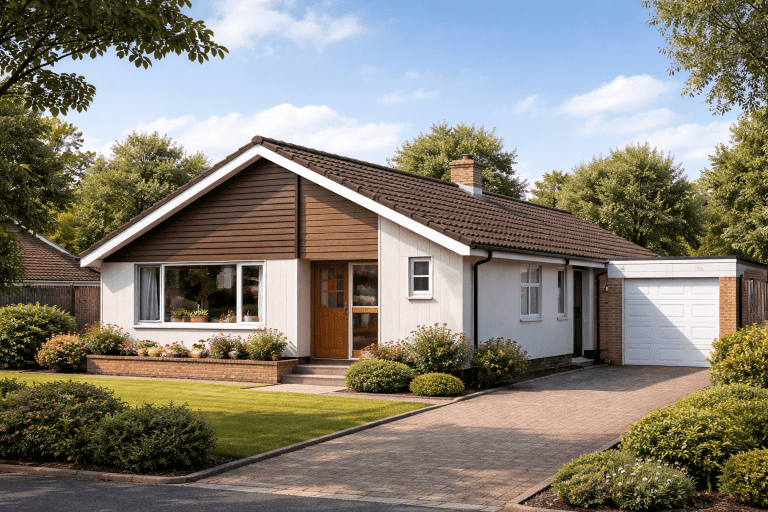
The Burt Boulton bungalow is a non-traditional, system-built property dating from the mid-1970s, designed by H K Harwood and manufactured by Burt Boulton Ltd. Built around 1975, these single-storey dwellings use factory-made timber frame units with rendered plywood external walls and shallow-pitch or flat roofs. While the bungalow layout offers straightforward single-level accommodation, inspection focus is firmly on the condition of the external cladding, roof coverings, and moisture protection, as deterioration to these elements can directly affect the concealed timber structure beneath.
Bullock House
|

The Bullock House

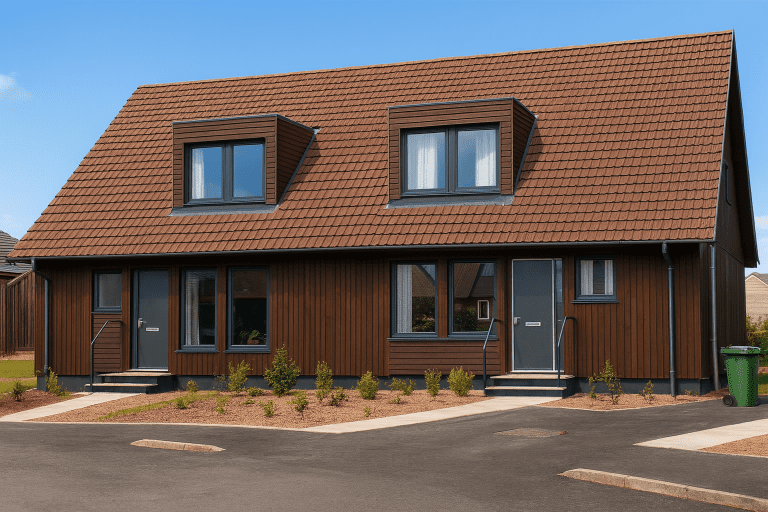
The Bullock house is a system-built, non-traditional property developed in the late 1960s and early 1970s by D T Bullock & Co. Ltd. Typically arranged as two-storey semi-detached houses, they use a timber-based platform frame with plywood sheathing, bituminous felt, and horizontal timber boarding. While distinctive in appearance, these properties require careful inspection due to potential risks associated with moisture ingress, timber decay, and limited insulation by modern standards.
The Bricket Wood Special House
| |

The Bricket Wood Special House

The Bricket Wood Special house is a rare and unusual form of non-traditional construction dating from 1929, with only four examples ever built. These semi-detached chalet bungalows combine concrete, timber, and asbestos cement within a complex wall structure that demands careful inspection. While visually distinctive, their long-term performance is closely tied to moisture management and the condition of concealed structural elements, making professional assessment essential before purchase.
The Boulton & Paul House
|

The Boulton & Paul House

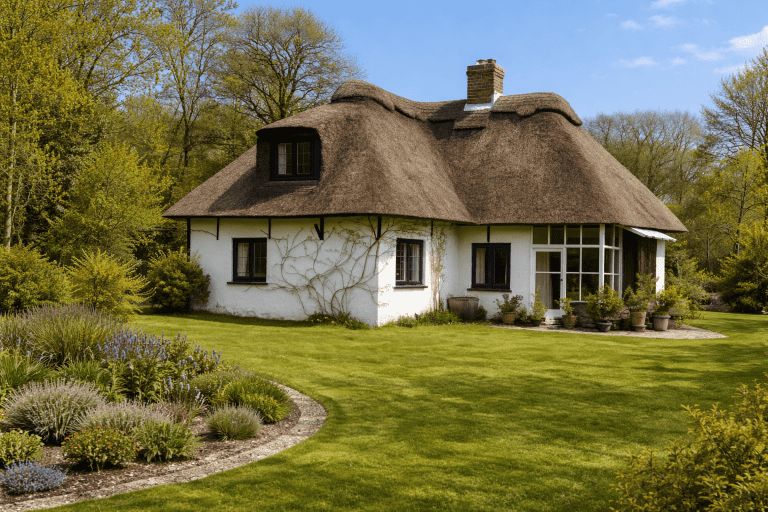
Boulton & Paul houses are early examples of prefabricated timber housing, most commonly encountered as detached bungalows or two-storey homes dating from the late 19th and early 20th centuries. Their platform timber frame construction, distinctive roof forms, and use of asbestos cement linings set them apart from traditional masonry properties of the same period. While these houses have clear historic and architectural interest, their condition, maintenance history, and material management are central considerations when assessing suitability for purchase.
Boro house
|

The Boro House

The Boro house (also known as Borohus or Enso Gutzeit) is a form of non-traditional housing built mainly in 1969 using system-built, timber-based construction. While often well-designed and practical, these properties rely heavily on the condition of timber elements, external cladding, and roof details. A detailed building survey is essential to assess durability, moisture risk, and long-term maintenance implications.
Arcal Houses
| |

Arcal Houses

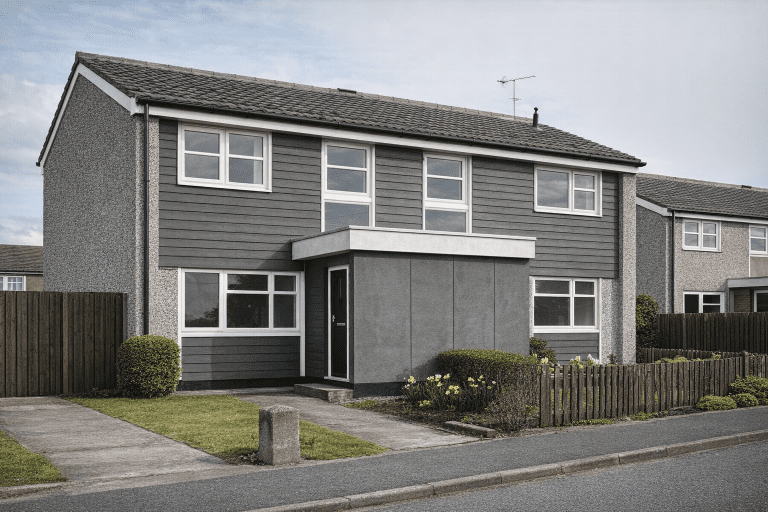
The Arcal house is a rare form of 1960s system-built housing, designed and manufactured by Gee Walker & Slater during a period of rapid post-war construction. Typically found as bungalows or two-storey semi-detached and terraced houses, Arcal properties are characterised by rendered external walls, medium-pitch tiled roofs, flat-roofed entrance lobbies, and metal-framed windows. Their platform timber frame construction, combined with plywood sheathing and rendered finishes, means long-term condition is closely linked to moisture control, detailing, and ongoing maintenance.
Arrowtrim Houses
| |

Arrowtrim Houses

An overview of **Arrowtrim (Prowting) houses**, a late-1960s system-built property type found across UK suburbs. The article explains their timber frame construction concealed behind traditional brick and tile finishes, outlines typical characteristics and common defects, and highlights why moisture control and frame condition are critical inspection priorities when buying one today.
The Bennett Bungalow
| |

The Bennett Bungalow

The Bennett House is a mid-1960s non-traditional property built using a timber frame system with Tyrolean rendered external walls and a tiled gable roof. While often well laid out, these houses rely heavily on effective moisture protection and ongoing maintenance, particularly to the external render and concealed timber structure. Careful inspection is essential to understand condition-related risks specific to this form of construction.
The Bennett House
| |

The Bennett House

The Bennett House is a non-traditional property type introduced in the mid-1960s and manufactured by H W Bennett Ltd. Commonly found as two-storey detached houses, these homes are characterised by timber frame construction, Tyrolean-rendered external walls, and tiled gable roofs with timber boarding to the apex. While distinctive in appearance, their long-term performance is closely linked to moisture control, render condition, and the maintenance of concealed timber elements.
The Arbor House
|

The Arbor House

The Arbor House is a distinctive mid-20th-century non-traditional property type, manufactured by E Appleyard Ltd between 1965 and 1975. Typically built as bungalows or two-storey detached houses, these properties use a platform timber frame with a range of external finishes including brickwork, render, tile hanging, and weatherboarding. While the design performs adequately where well maintained, inspection focus should always centre on moisture management, timber condition, and ageing construction details that can significantly affect long-term performance.
The Appleyard House
|

The Appleyard House

The Appleyard house is a mid-1960s system-built property developed by E Appleyard Ltd as part of the drive for efficient, large-scale housing delivery. Constructed using a timber platform frame with layered wall build-ups and mixed external cladding, these houses remain a recognisable feature of many suburban estates. While not classed as defective, their long-term performance is closely tied to moisture control, cladding condition, and the integrity of original vapour barriers, making careful inspection essential.
The Anvil House
| |

The Anvil House

Anvil Houses are a distinctive non-traditional UK house type built between 1965 and 1979 using a timber-framed system with external brick cladding. While generally robust for their era, these properties require careful inspection, particularly around first-floor window sills and vapour control layers, where movement and concealed moisture issues are most likely to arise.
The Anchor 12M House
| |

The Anchor 12M House

The Anchor 12M house is a system-built property developed between 1967 and 1974, most commonly found as bungalows or two-storey terraced homes on suburban estates. Although outwardly traditional in appearance, these houses rely on storey-height timber frame panels concealed behind rendered, stone, timber, or tiled finishes. From a surveying perspective, the long-term condition of these concealed timber elements is critical, with moisture ingress and localised decay representing the primary inspection risks.