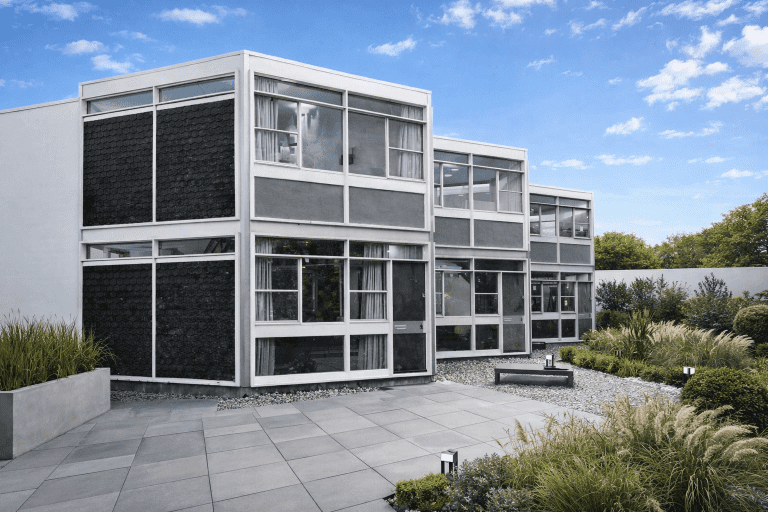
The Formula House
|

The Formula House

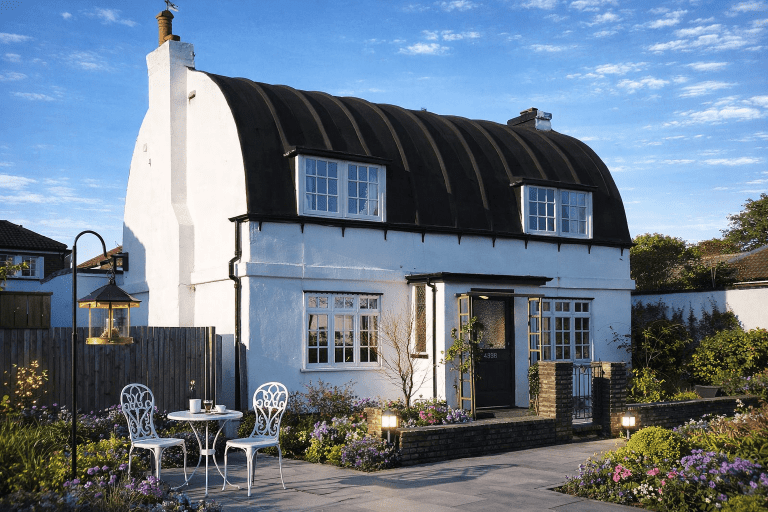
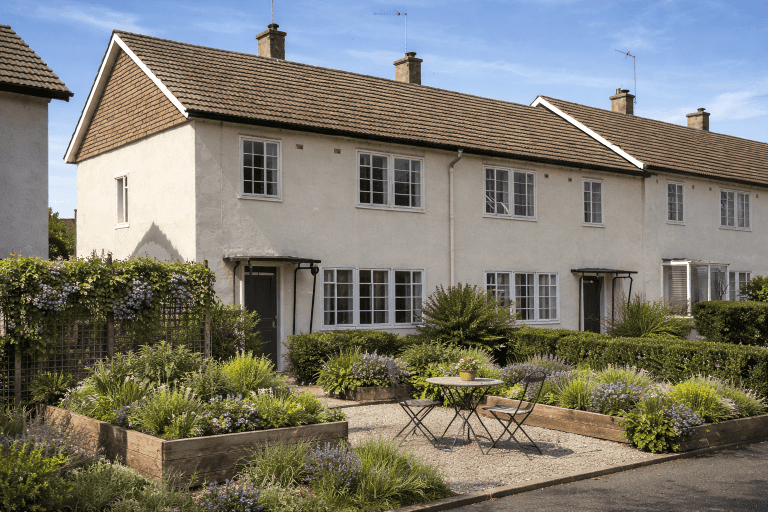
The Formula house is a rare mid-1960s system-built property, constructed in limited numbers using a distinctive hexagonal layout and a steel-framed structural system. While visually striking, these houses rely on flat roof construction, timber infill panels, and materials such as asbestos cement, making condition, maintenance history, and professional inspection critical considerations.
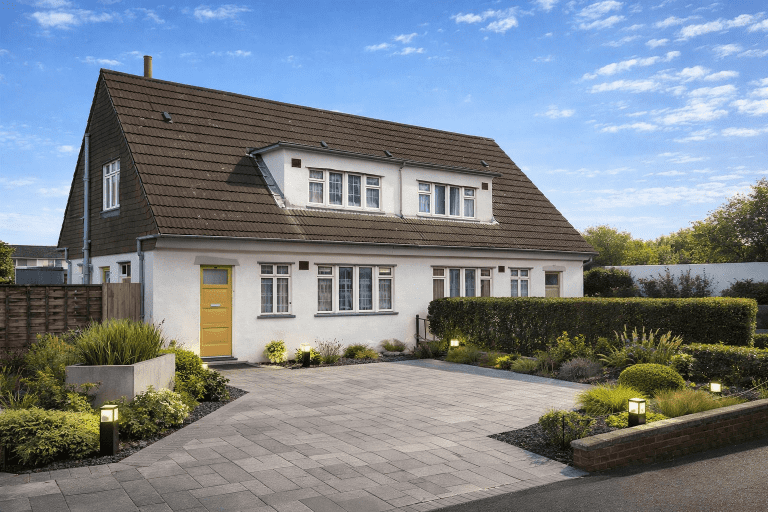
The Falkiner-Nuttall House
|

The Falkiner-Nuttall House

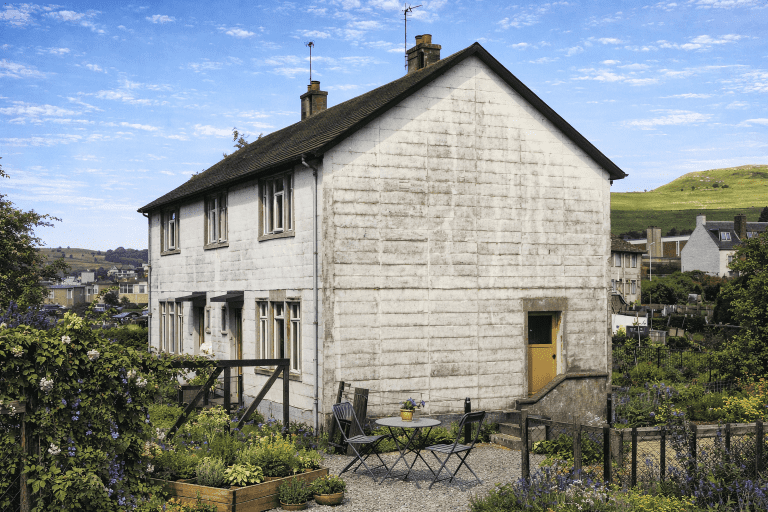
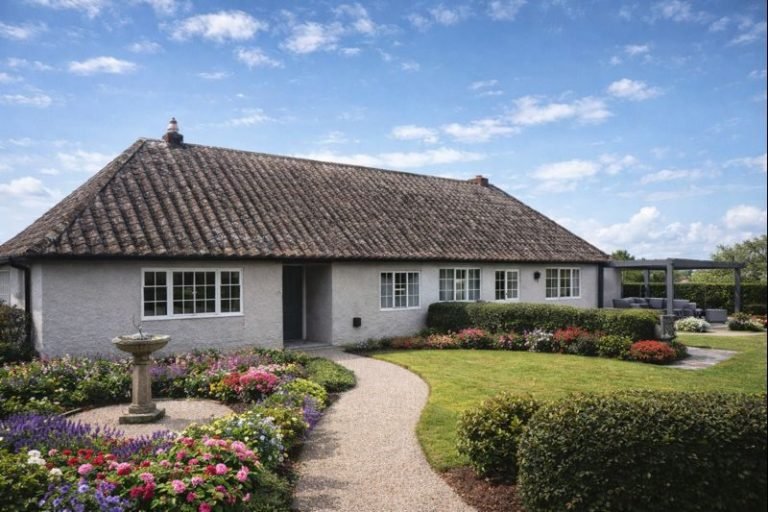
The Falkiner-Nuttall house is a post-war, system-built chalet bungalow introduced in 1947 as part of the UK’s rapid housing programme. Typically semi-detached and steel-framed with rendered external walls and steep gable roofs, these properties rely on concealed structural elements that require careful inspection. Understanding their construction, common defects, and maintenance needs is essential when assessing condition, mortgage suitability, and long-term performance.
The Dorlonco House
|

The Dorlonco House

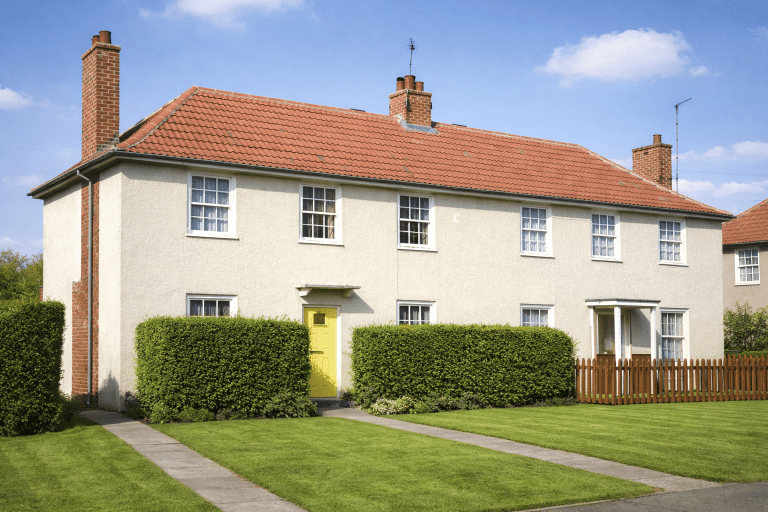
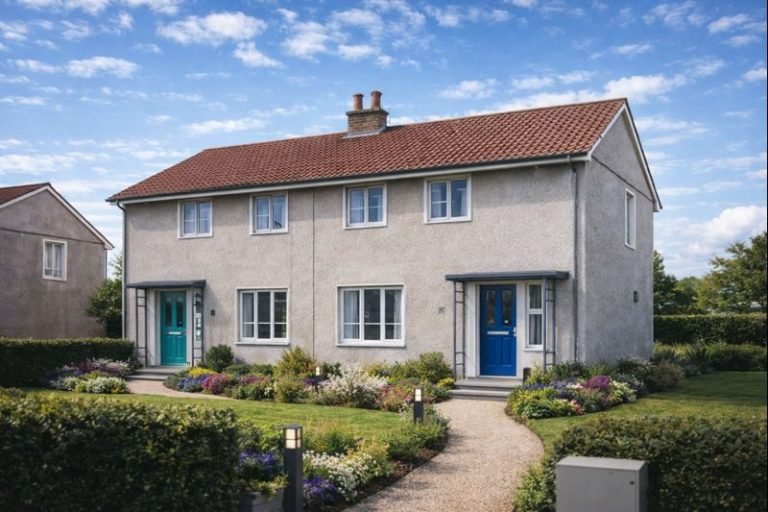
Dorlonco houses are an inter-war form of system-built housing developed by Dorman Long & Co. Ltd during the 1920s. Constructed using an early steel frame with rendered wall systems, they reflect the engineering-led response to post-First World War housing shortages. While not classed as defective, these properties require careful inspection, particularly in relation to steel corrosion, cracking to render, and wall tie condition, all of which can materially affect long-term performance and mortgage acceptance.
The Discus House
|

The Discus House

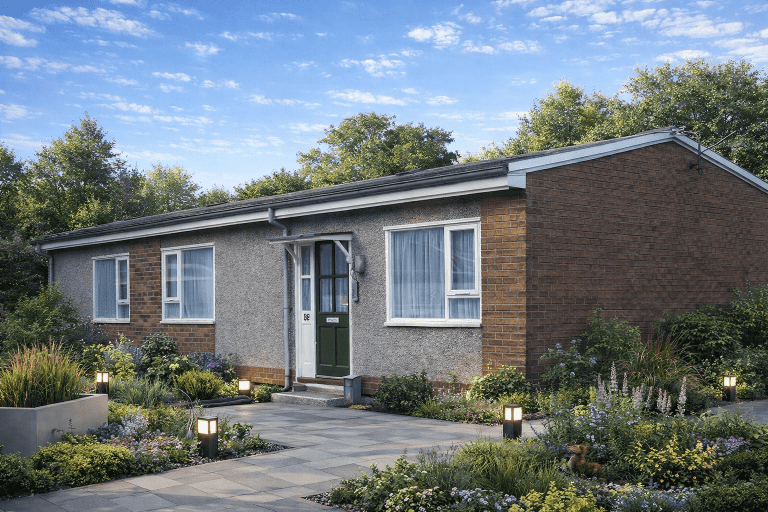
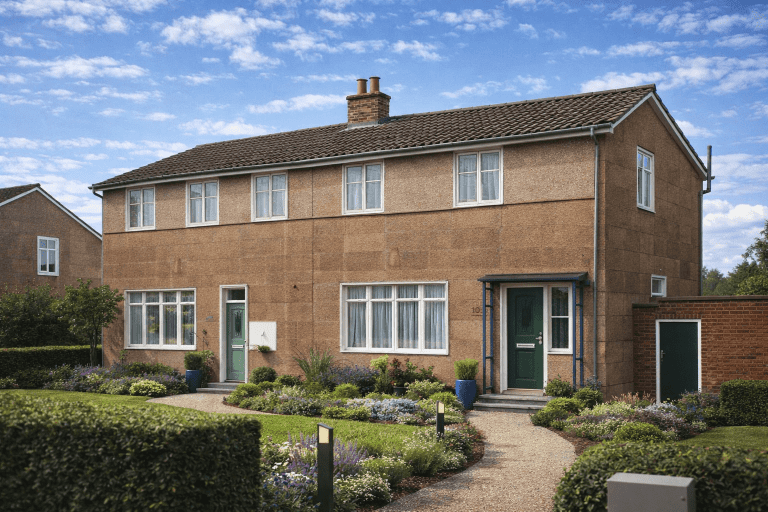
The Discus house is a non-traditional bungalow developed in the 1970s using a welded steel frame and infill wall panels containing asbestos-based materials. Typically built as detached or semi-detached homes, these properties reflect the system-built approach of the period and require careful inspection, particularly in relation to asbestos management, steel frame condition, and long-term maintenance considerations.
The Dennis-Wild House
|

The Dennis-Wild House

The Dennis-Wild house is a 1920s system-built property constructed around a concealed steel frame with brick and rendered external walls. While many remain serviceable, common issues include corrosion to steel stanchions, wall tie defects, cracking, and damp-related problems. Careful inspection is essential to understand condition, maintenance history, and any risks associated with the original construction.
The Dennis House
|

The Dennis House

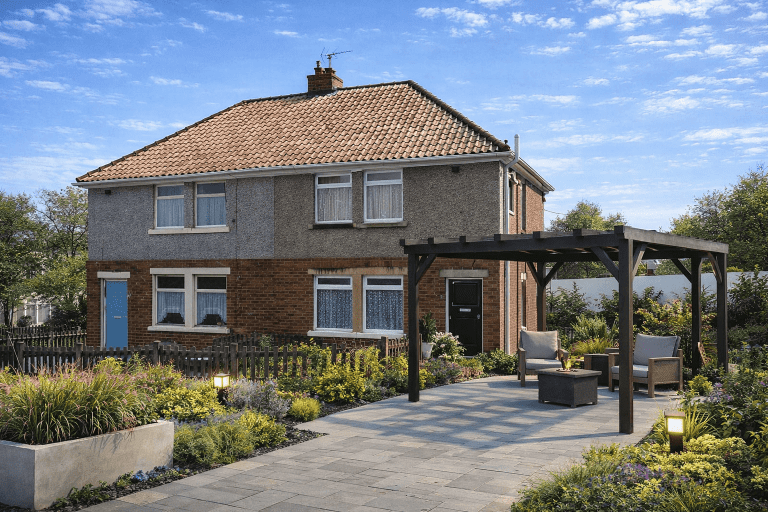
A Dennis house is a post-war, non-traditional property type developed in response to severe housing shortages after the Second World War. Built using a concealed steel frame with brick and tile external finishes, these houses require careful inspection, particularly in relation to corrosion risk, dampness, and long-term maintenance. Understanding their construction is essential before purchase, as condition and upkeep vary widely between properties.
The Crane House
|

The Crane House

The Crane House is a distinctive early 20th-century bungalow type built between 1925 and 1926 using steel framing, clinker concrete block walls, and asbestos-based components. While not classed as defective, these properties carry specific inspection priorities, particularly around asbestos management, steel corrosion, and cracking to render and blockwork. A detailed building survey is essential to properly assess condition, risks, and ongoing maintenance requirements.
The Craig Atholl House
|

The Craig Atholl House

Craig Atholl houses are a rare post-war, steel-framed property type dating from 1951, with only a handful ever constructed. Their concealed steel structure, rendered walls, and mixed construction mean corrosion risk, damp control, and inspection access are key considerations. A detailed building survey is essential to understand condition, maintenance needs, and longer-term risks.