The Universal Temporary Bungalow
|

The Universal Temporary Bungalow

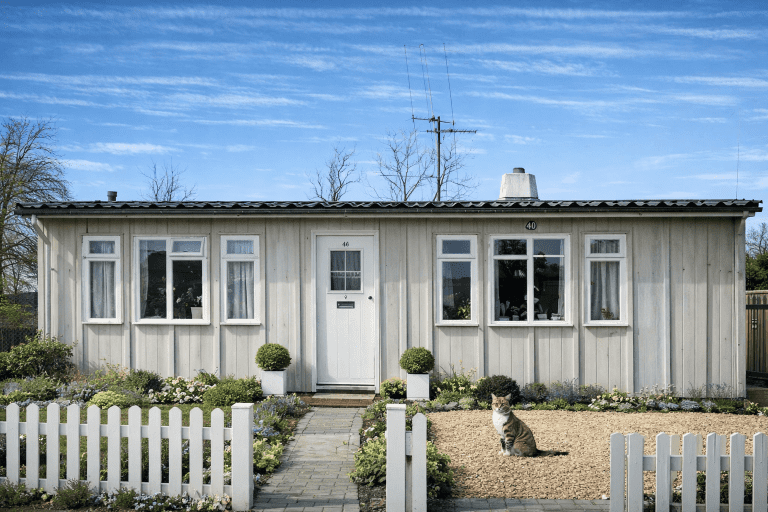
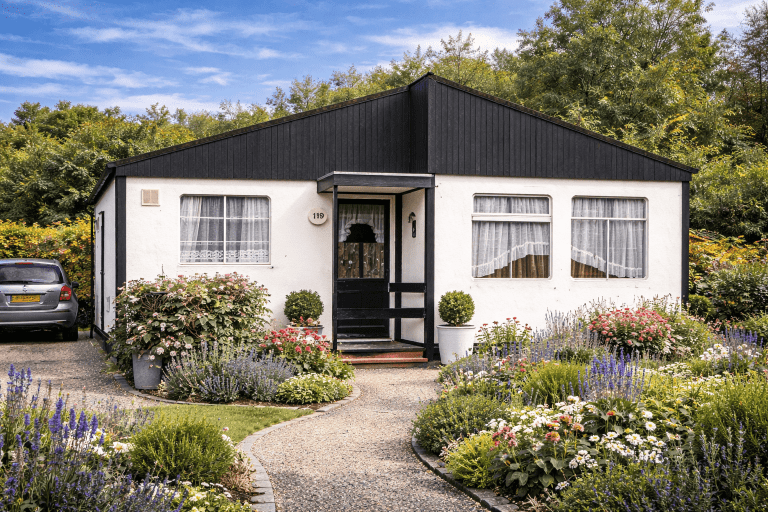
The Universal Temporary Bungalow is a post-war prefabricated dwelling introduced during the 1940s to address acute housing shortages. Characterised by asbestos cement wall and roof panels and lightweight construction, these bungalows were intended as temporary homes but many remain in use today. Their condition, material degradation, and maintenance history are critical factors when assessing suitability and risk.
The Turner & Newall House
|

The Turner & Newall House

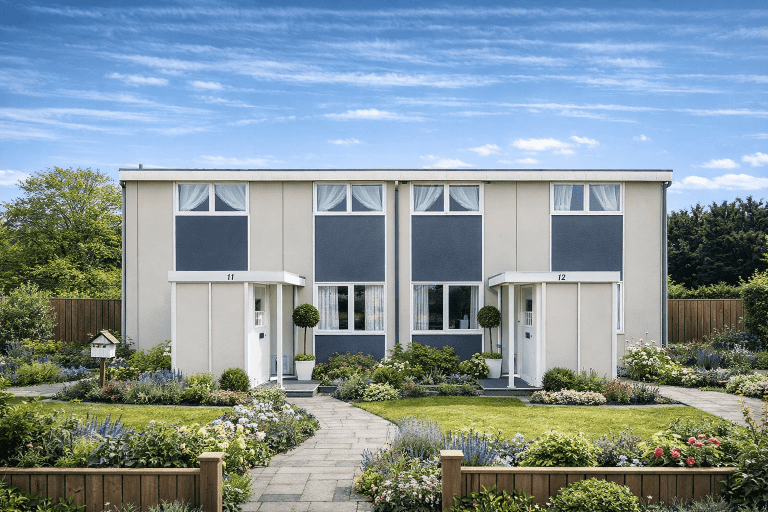
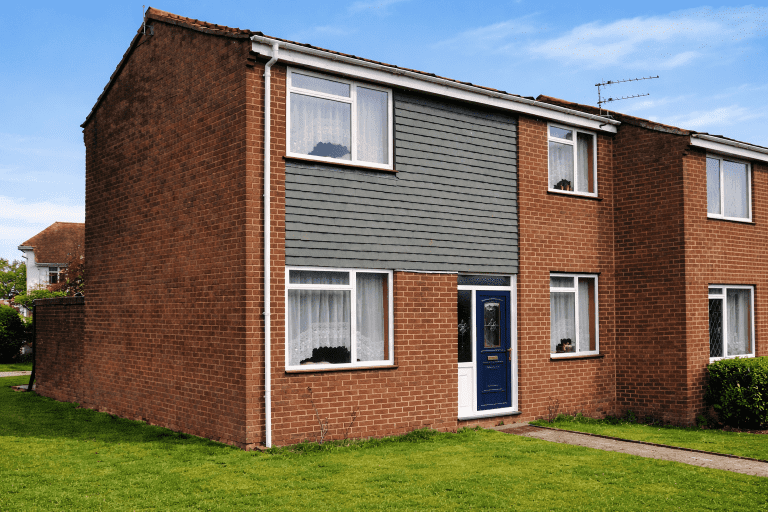
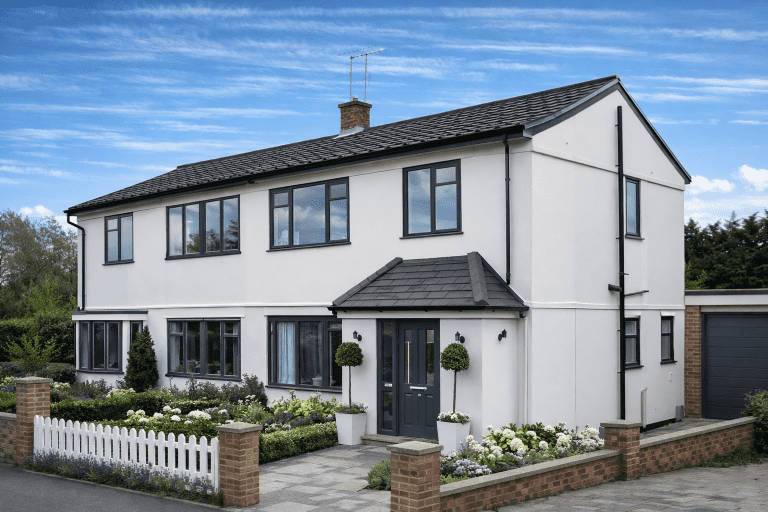
Turner & Newall houses are 1960s system-built, steel-framed properties distinguished by extensive use of asbestos cement to roofs and external walls. While robust in concept, their long-term performance is closely tied to the condition and management of asbestos components, along with corrosion risk to concealed steelwork. A condition-led building survey is essential to understand disturbance risk, maintenance history, and practical implications for repair or alteration.
The Trusteel MK II House
|

The Trusteel MK II House

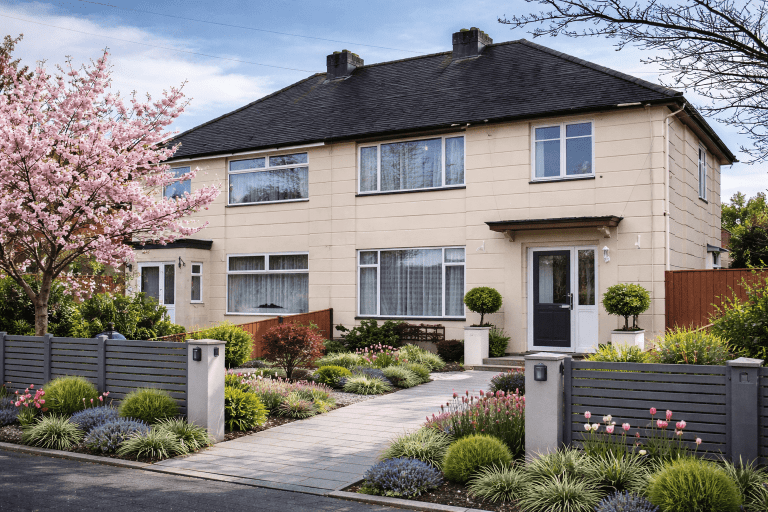
The Trusteel MK II house is a post-war, steel-framed dwelling constructed between 1946 and 1966 as part of the UK’s rapid housing programme. While outwardly finished in brick, render, or tile hanging, its structural performance is closely tied to the condition of the concealed steel lattice frame. Corrosion to stanchions, damp-related defects, and cavity issues are common inspection priorities, making thorough professional assessment essential before purchase.
The Trusteel 3M House
|

The Trusteel 3M House

The Trusteel 3M house is a post-war, steel-framed property built during the late 1960s as part of Britain’s drive for rapid housing delivery. While not classed as defective, its cold-rolled steel structure, variable external wall finishes, and ground-level detailing require careful inspection, particularly for corrosion and moisture-related issues. A clear understanding of the construction type and condition is essential before purchase.
The Thames House
|

The Thames House

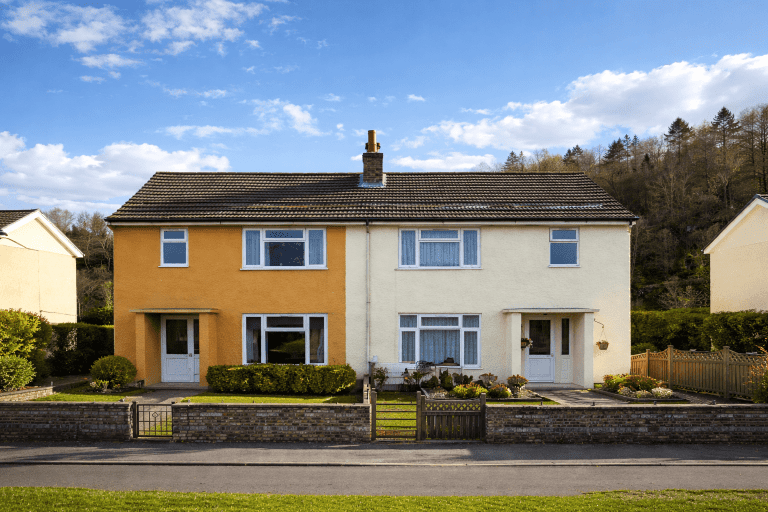
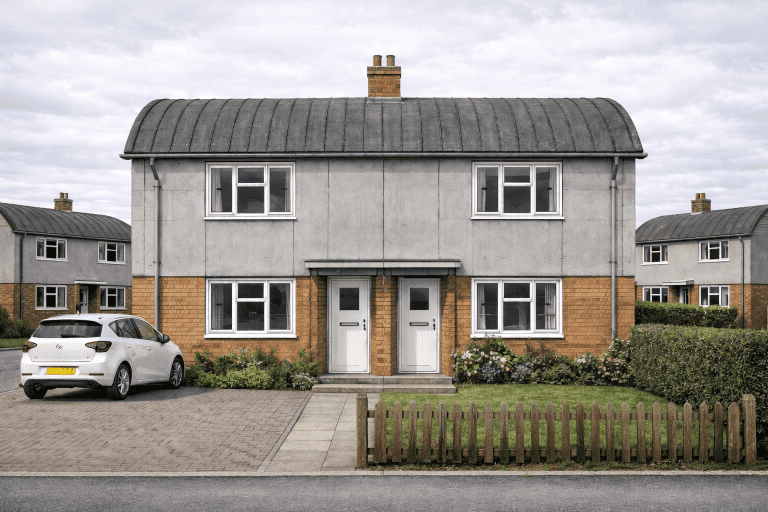
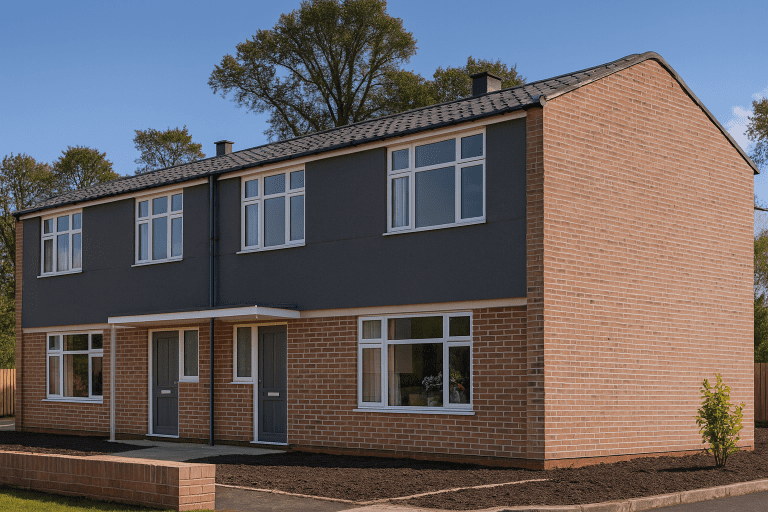
The Thames House is a distinctive post-war property type dating from the 1940s, designed to address housing shortages through industrialised, steel-based construction. Typically semi-detached and two storeys in height, these houses are easily recognised by their curved steel roof and non-traditional external walls. While robust in concept, their long-term performance is closely linked to the condition of the steel frame, protective coatings, and resistance to moisture ingress, making careful inspection and ongoing maintenance particularly important.
The Stuart House
|

The Stuart House

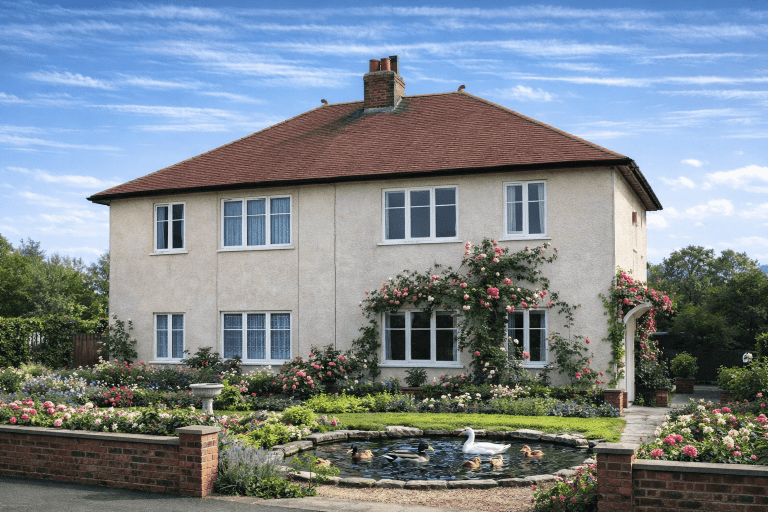
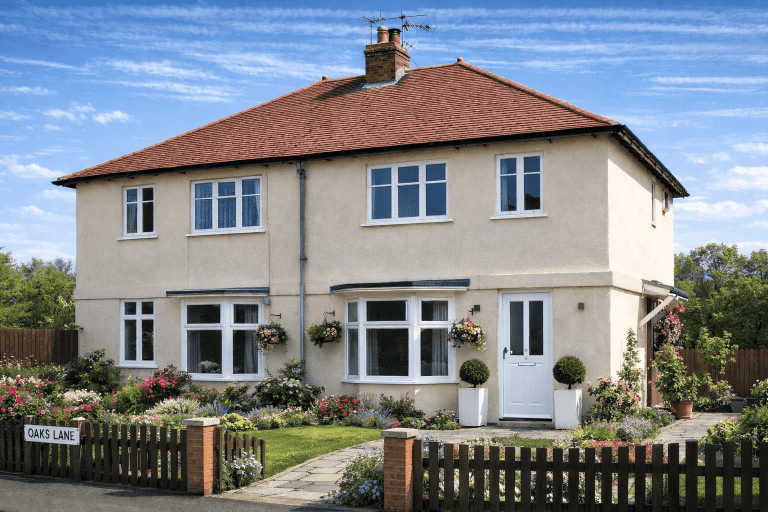
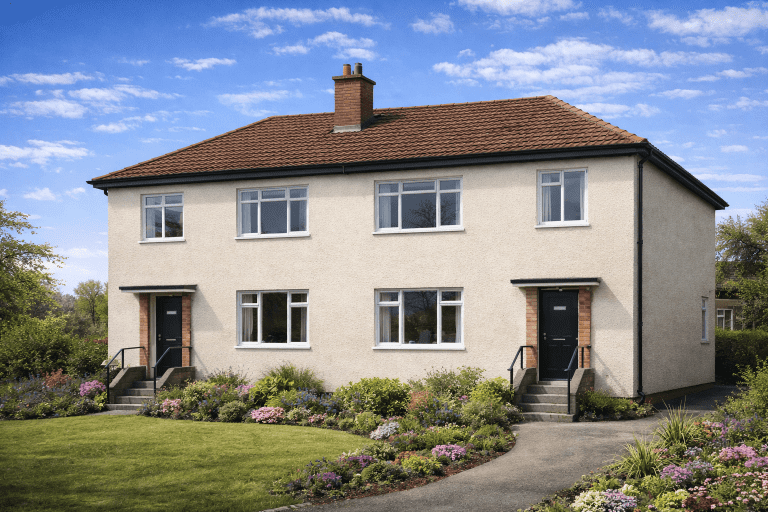
The Stuart House is a form of post-war non-traditional housing developed between 1946 and 1950 by Stuart & Sons (Housing) Ltd. Typically arranged as two-storey semi-detached or terraced dwellings, these properties are defined by harled external walls, hipped concrete tiled roofs, and a steel-framed structural system. While capable of providing satisfactory long-term accommodation, their performance is closely linked to the condition of the steel stanchions and the management of corrosion and structural movement.
The Spaceway House
|

The Spaceway House

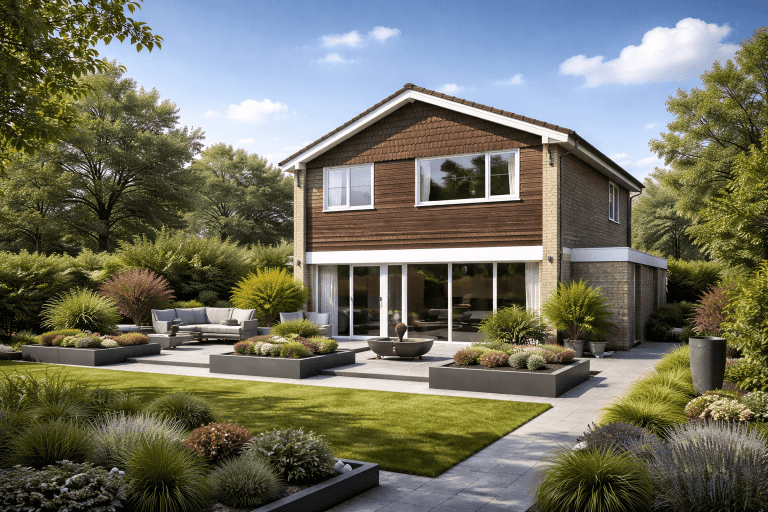
The Spaceway House is a rare form of 1970s non-traditional housing, constructed in limited numbers using a steel-framed volumetric system with glass-reinforced plastic external cladding. Typically found as detached or linked bungalows, these properties are easily identified by their shallow roof forms, rounded-corner windows, and lightweight panel construction. Careful inspection is essential due to age-related risks associated with steel corrosion, GRP degradation, and flat or low-pitch roof coverings.