The Macfarlane House
|

The Macfarlane House

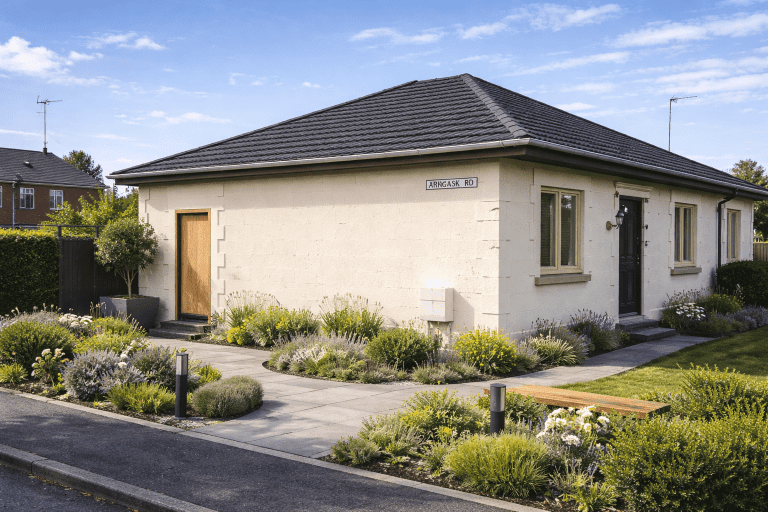
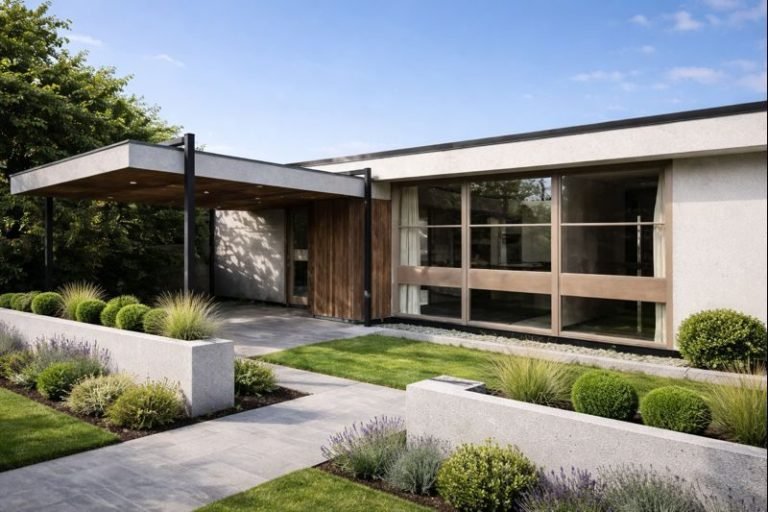
The Macfarlane house is an exceptionally rare form of early system-built housing dating from 1926. Manufactured by Walter Macfarlane & Co., only two semi-detached bungalows of this type were ever constructed. Built using a distinctive combination of cast iron structural elements, timber framing and fibreboard linings, these properties present specific inspection considerations, particularly around corrosion, moisture ingress and asbestos-containing materials.
The Livett-Cartwright House
|

The Livett-Cartwright House

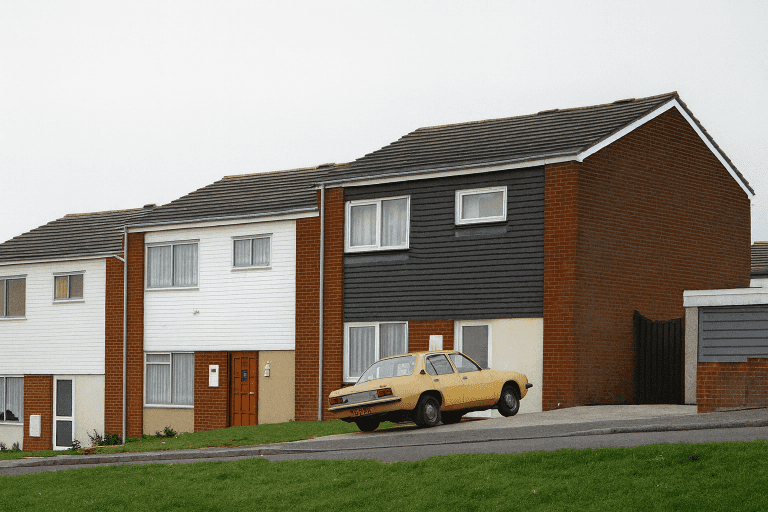
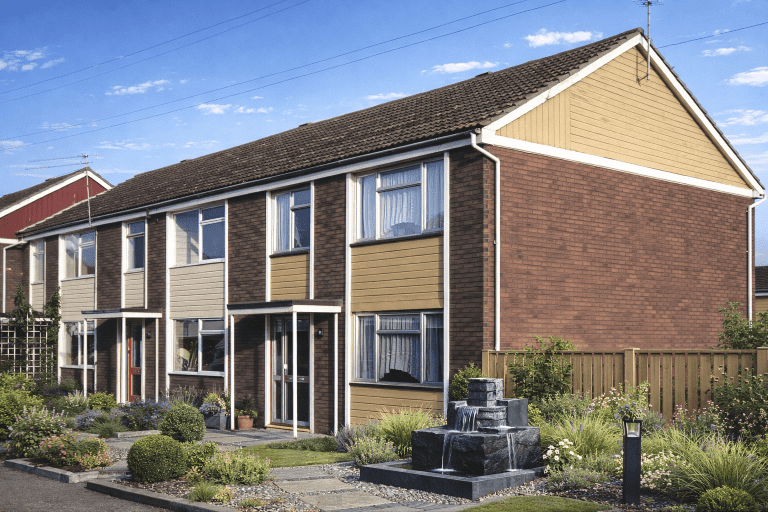
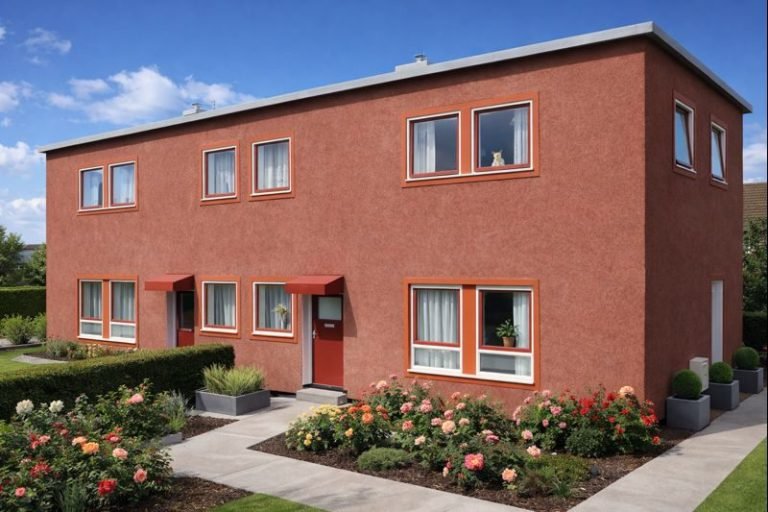
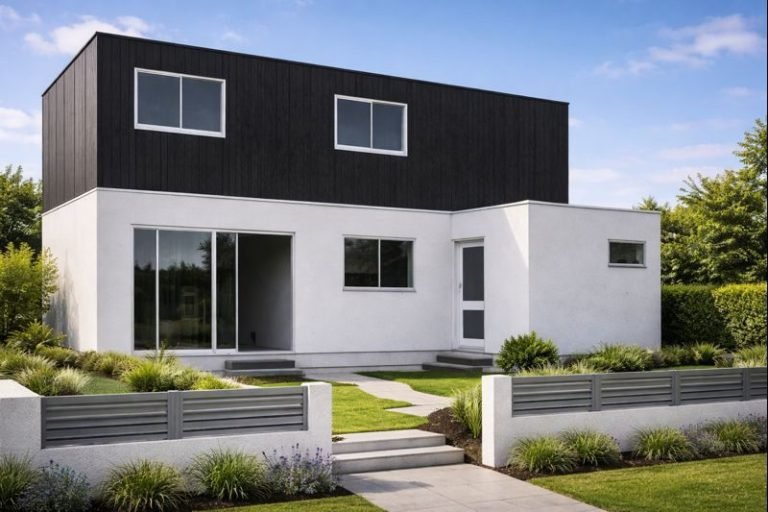
The Livett-Cartwright house is a post-war, non-traditional PRC system built between 1948 and 1956 to address acute housing shortages. Typically two-storey and semi-detached, these properties rely on a steel frame with precast concrete panels, making corrosion and concrete deterioration the key long-term concerns. While not designated as defective under the Defective Premises Act, careful inspection and ongoing maintenance are essential to manage age-related risks and ensure continued structural performance.
The Liverpool Corporation House
|

The Liverpool Corporation House

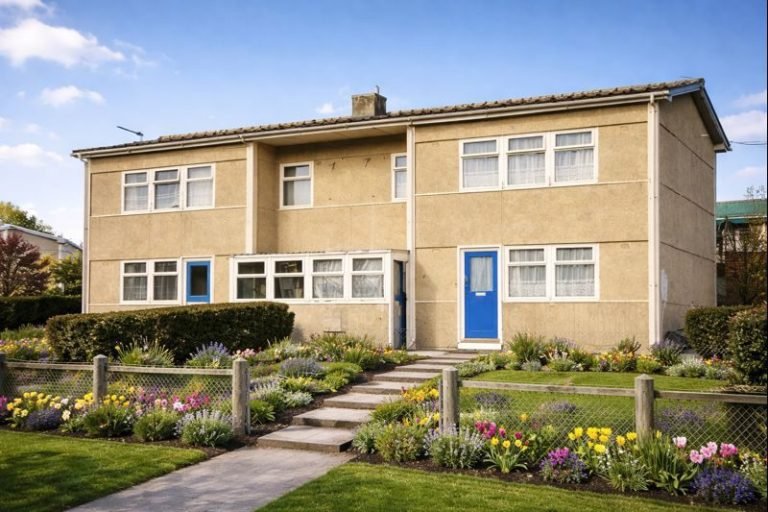
Liverpool Corporation houses are early 20th-century, steel-framed municipal homes built in the 1920s to address post-war housing shortages. Typically semi-detached with rendered elevations and hipped slate roofs, their long-term condition is closely linked to moisture control and the performance of the steel frame. Careful inspection is essential to assess corrosion risk, damp ingress, and the ongoing maintenance demands associated with this form of non-traditional construction.
The-Keyhouse-Unibuilt
|

The Keyhouse Unibuilt House

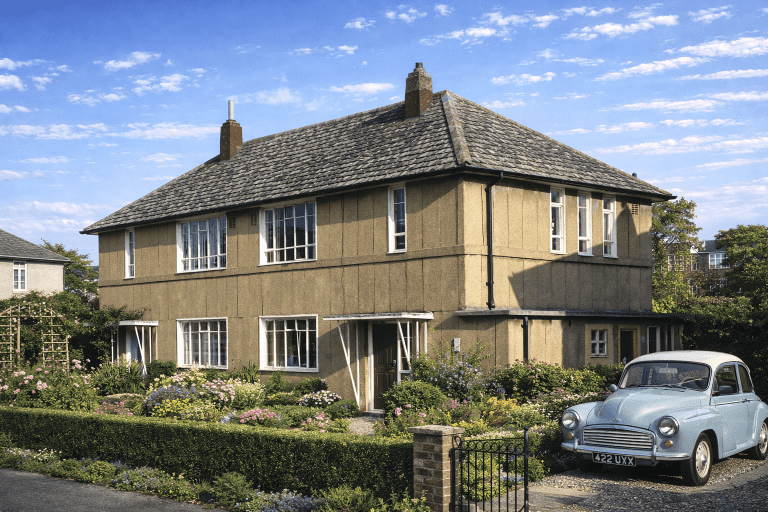
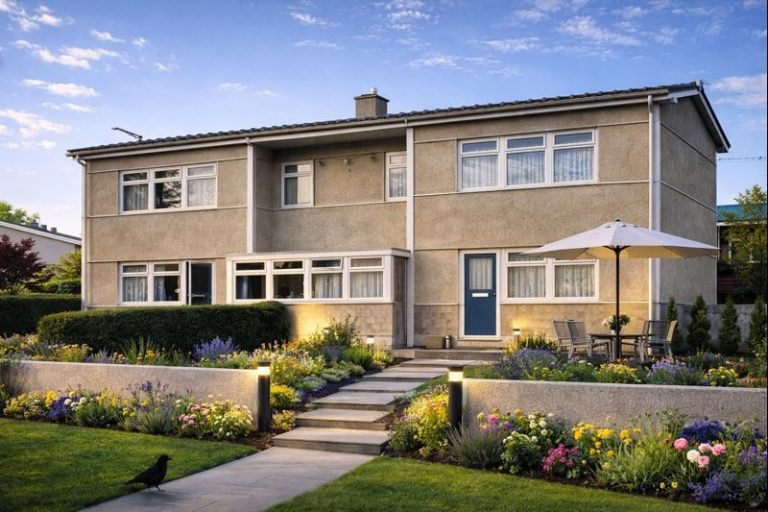
The Keyhouse Unibuilt house is a rare post-war, system-built property dating from 1946, with only four examples ever constructed. Designed by Richard Sheppard and G Grey Wornum, it uses an early steel frame with precast concrete floors and asbestos cement wall panels. From a surveying perspective, the primary risks relate to steel corrosion, deterioration of precast concrete elements, and the management of asbestos-containing materials, all of which require careful inspection and clear professional reporting.
The Kelvin House
|

The Kelvin House

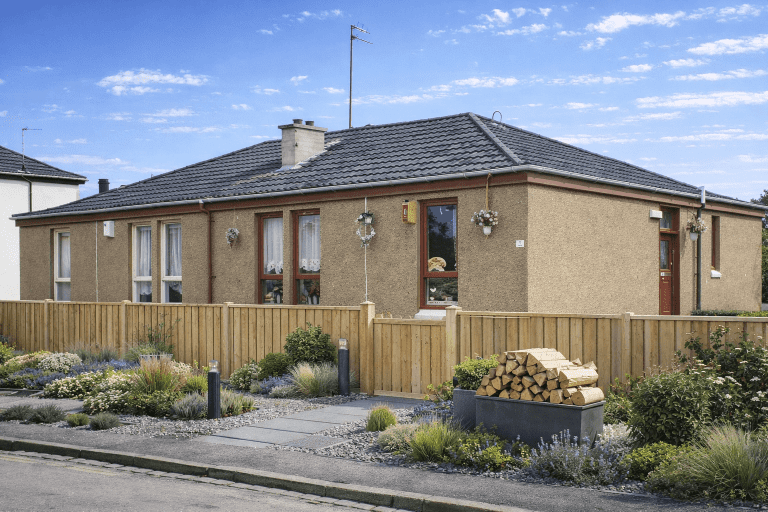
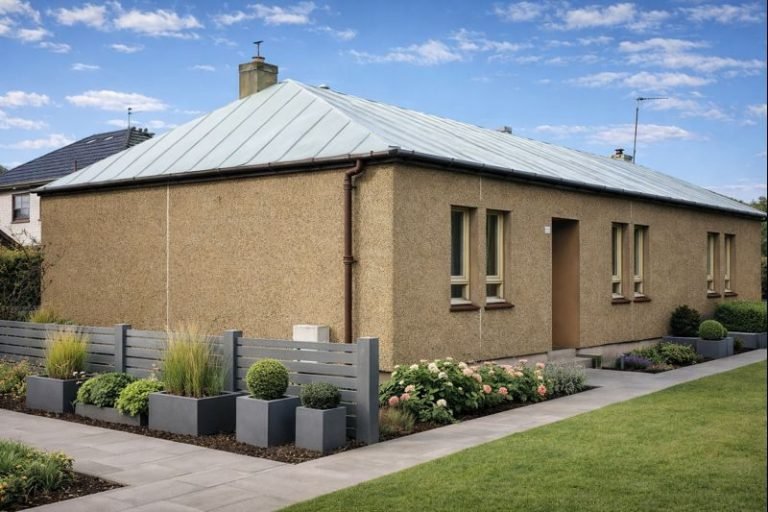
The Kelvin House is an exceptionally rare inter-war, steel-framed bungalow type dating from 1926, identifiable by its shallow hipped copper roof and roughcast rendered walls. Its mixed steel and timber construction demands informed inspection, with long-term performance closely linked to corrosion control, moisture management, and ongoing maintenance rather than surface appearance alone.
The Howard Type A House
|

The Howard Type A House

The Howard Type A house is an exceptionally rare post-war, steel-framed property constructed in 1945, with only two examples ever built. Characterised by asbestos cement roof and wall panels, timber-framed cavity construction, and a complex steel structural frame, these houses require particularly careful inspection. Long-term performance is closely linked to corrosion protection, moisture control, and the condition and management of asbestos-containing materials.