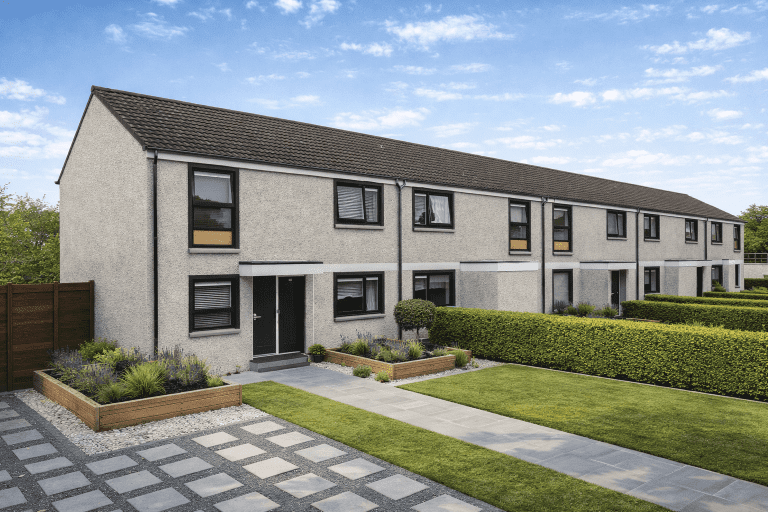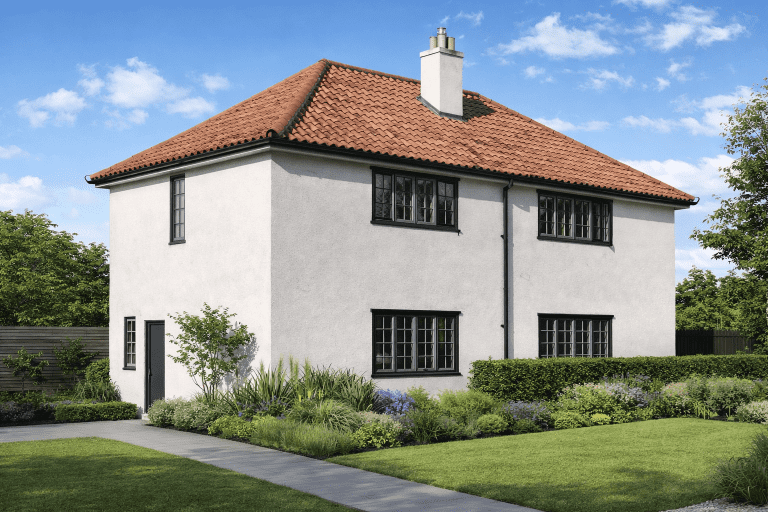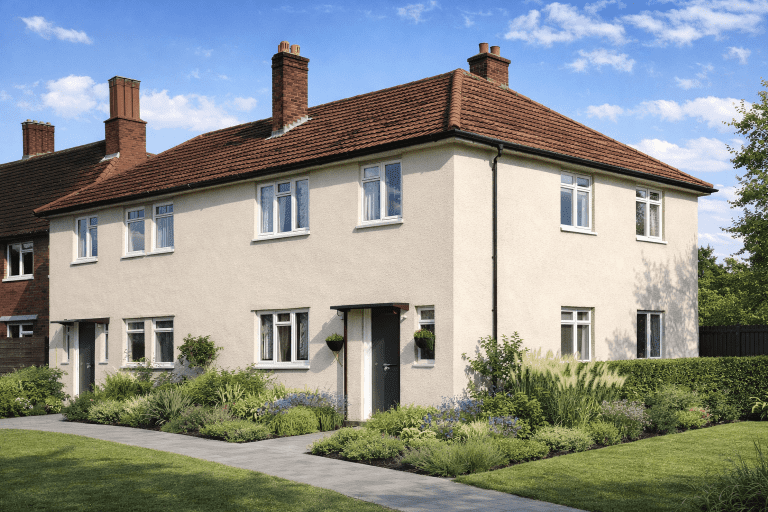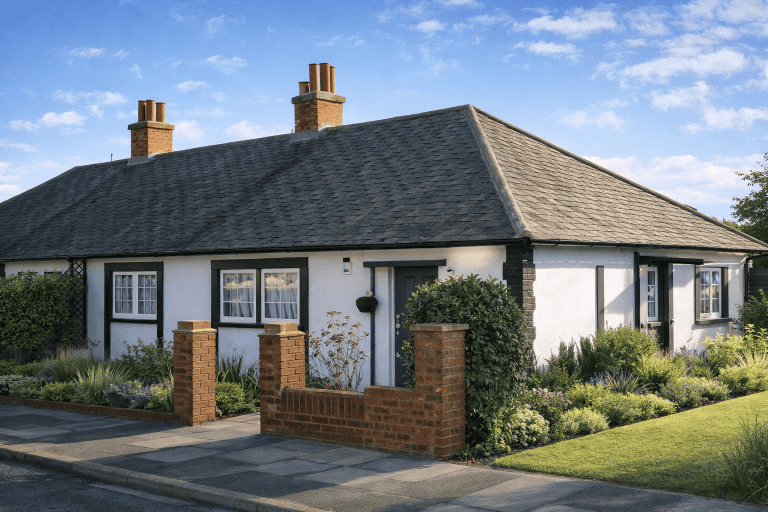
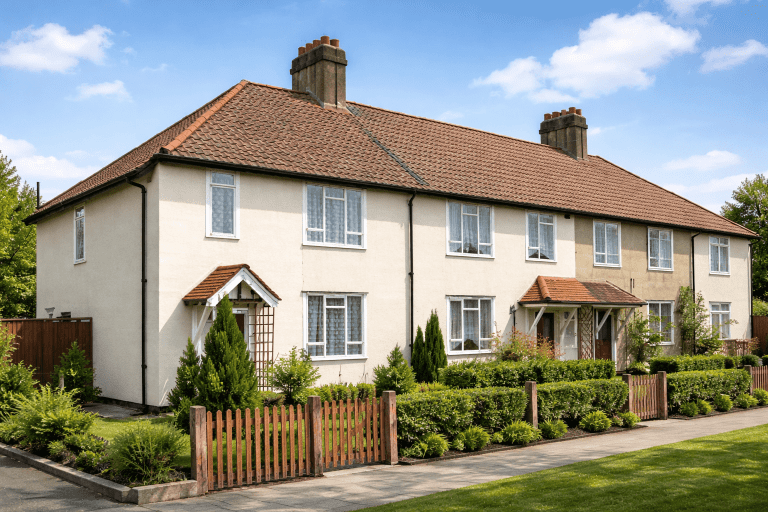
The Kirton House
|

The Kirton House

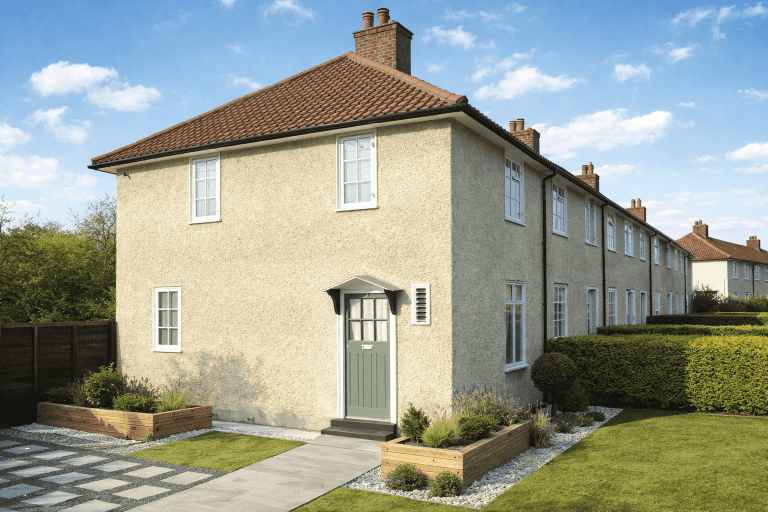
The Kirton house is a rare 1920s reinforced concrete terraced property constructed during the post-war housing boom. With only eight built, it represents an uncommon non-traditional construction type featuring rendered concrete walls, cast-in ventilation cavities, and a hipped concrete tiled roof. Its reinforced concrete frame and moisture management detailing require careful inspection, particularly in relation to carbonation risk, potential reinforcement corrosion, and long-term durability.
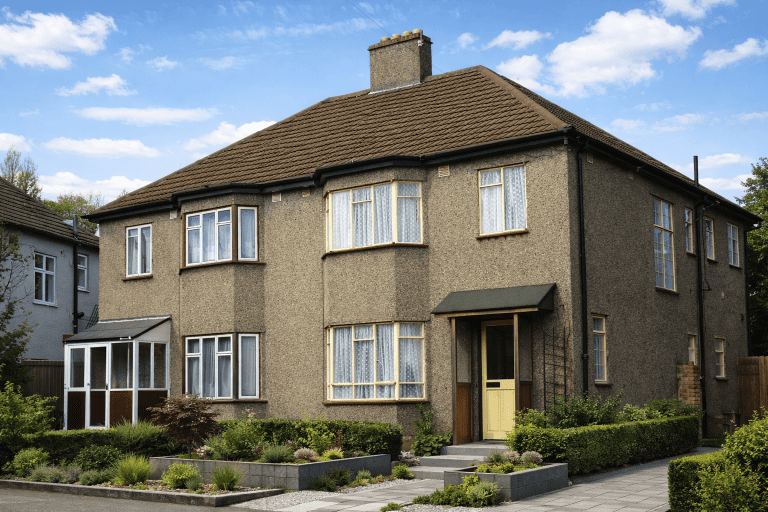
The Incast House
|

The Incast House

Incast houses are rare 1940s no-fines reinforced concrete homes built by the Metropolitan Concrete Co. Ltd to address post-war housing shortages. Typically two-storey and rendered throughout, they feature reinforced concrete walls, concrete strip foundations, and a distinctive flat-roofed bay window. Their long-term performance depends on the condition of the concrete, embedded reinforcement, and protection against moisture ingress, making careful inspection essential before purchase.
The Herald House
|

The Herald House

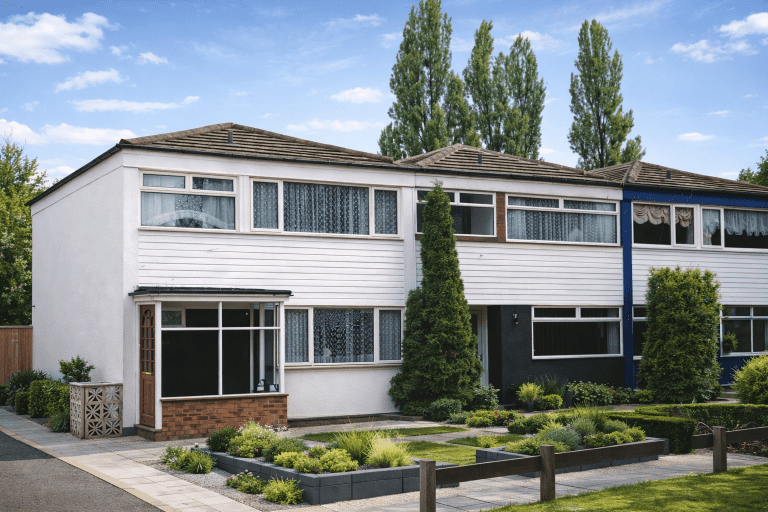
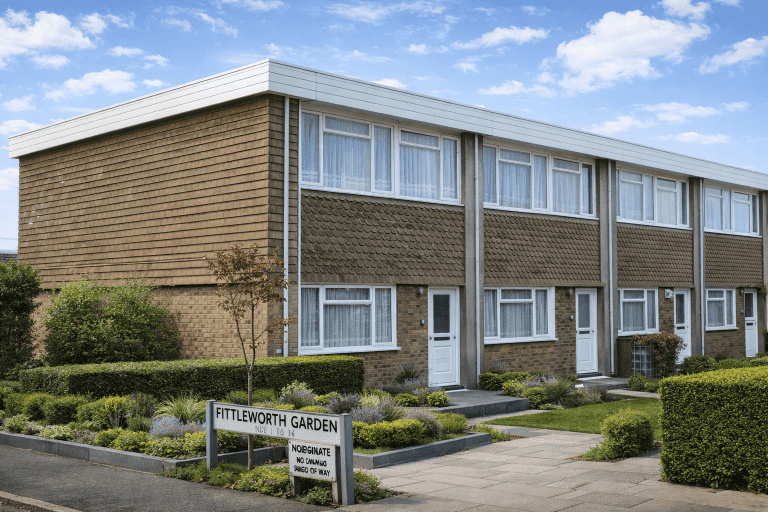
The Herald house, also known as the Page-Johnson house, is a 1960s non-traditional property combining timber-framed front and rear elevations with lightweight and dense concrete flank and separating walls. Typically found on suburban estates, these homes feature shallow pitch hipped roofs and timber cladding, with key inspection concerns focusing on moisture protection, timber condition, and potential concrete deterioration.
The Gadie House
|

The Gadie House

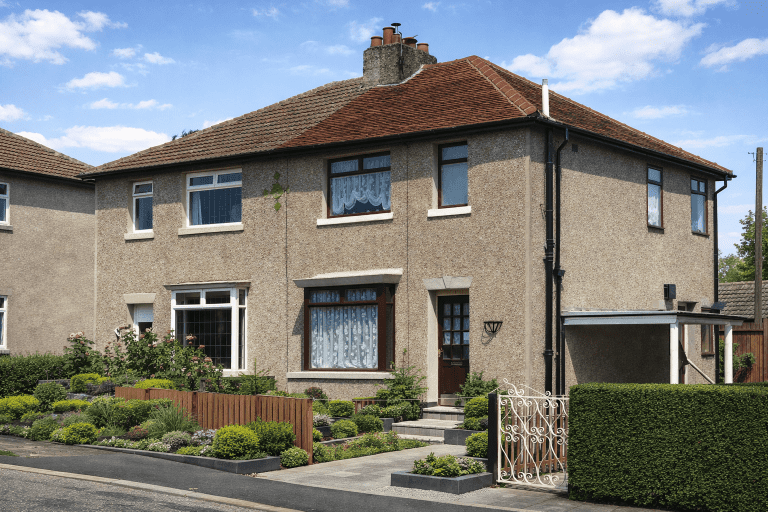
Gadie houses are rare 1920s semi-detached homes built using clinker concrete and reinforced concrete elements. With only 82 constructed, their structural performance depends heavily on the condition of reinforced columns, lintels and rendered elevations. Careful inspection of moisture ingress, corrosion risk and wall movement is essential when assessing this distinctive non-traditional construction type.
The Forrester-Marsh House
|

The Forrester-Marsh House

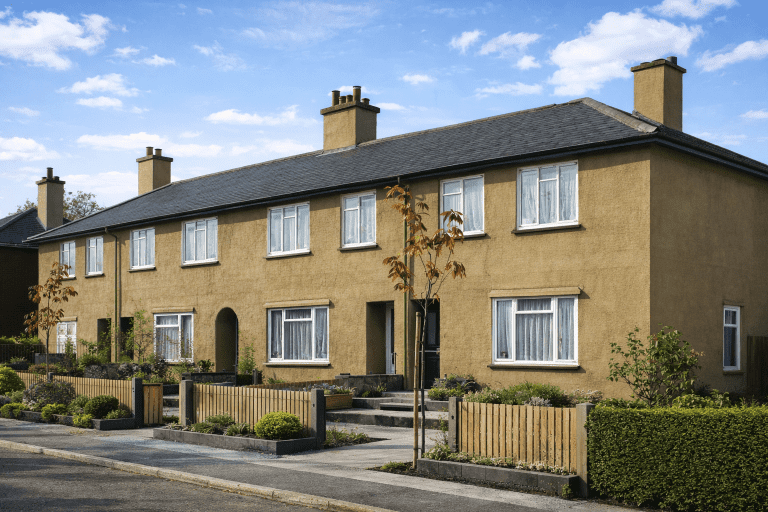
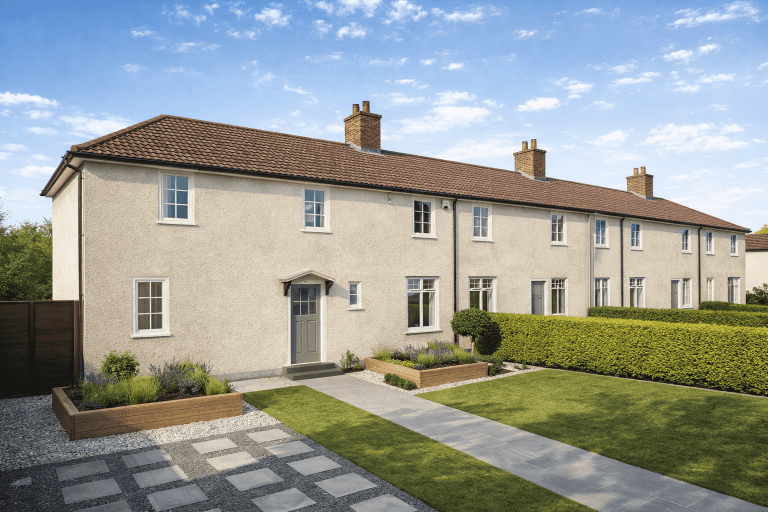
The Forrester-Marsh house is a rare 1920s non-traditional terraced property constructed using dense and clinker aggregate reinforced concrete. With only around 50 built, these homes are notable for their rendered concrete walls, hipped tiled roofs and distinctive recessed porches. Their long-term performance depends largely on the condition of the reinforced concrete, particularly in relation to carbonation, cracking and potential reinforcement corrosion, making careful inspection essential prior to purchase.
The Foamed Slag House
|

The Foamed Slag House

Foamed Slag houses are a post-war system-built form of non-traditional construction built between 1946 and 1951 using 9-inch no-fines concrete walls with reinforced ring beams. While relatively limited in number, they present recurring inspection priorities, particularly vertical and horizontal cracking, render spalling and moisture ingress affecting the concrete envelope. Careful assessment of structural movement, reinforcement detailing and long-term maintenance history is essential when considering purchase.
The Firmcrete House
|

The Firmcrete House

Firmcrete houses are 1960s system-built properties constructed using timber framing, cement-bonded chipboard slabs and reinforced concrete infill, typically with flat felted roofs and internal gutter systems. Around 2,000 were built, mainly in urban and suburban developments. Particular attention should be paid to the condition of reinforced concrete elements, roof coverings and moisture management when assessing these properties.
The Fidler House
|

The Fidler House

The Fidler House is a 1920s system-built property constructed using clinker concrete block walls with a concrete core and rendered external finish. Around 2,000 were built between 1926 and 1928, typically as two-storey semi-detached or terraced homes with tiled hipped roofs. Inspection priorities focus on cracking patterns, render deterioration, and potential wall tie corrosion, all of which influence long-term structural performance and maintenance requirements.
The Farrans No-Fines House
|

The Farrans No-Fines House

Farrans No-Fines houses are 1960s post-war properties constructed using a distinctive no-fines concrete wall system, finished externally with render and typically arranged as two-storey terraces. While not classed as defective, their long-term performance depends heavily on the condition of the concrete panels and protective coatings, making careful inspection of cracking, spalling and moisture penetration essential before purchase.
The Easiform Type 2 House
|

The Easiform Type 2 House

Easiform Type 2 houses, built by J Laing Construction Ltd between the 1920s and 1970s, are a widely recognised form of UK system-built housing. Constructed using in-situ clinker aggregate concrete for their structural walls, they were developed to deliver durable, rapidly built homes at scale. While not classed as defective under legislation, their long-term performance depends heavily on the condition of the concrete, protection of embedded reinforcement, and effective moisture management. A thorough building survey is essential to assess cracking, carbonation risk, and overall structural integrity before purchase.
The Easiform Type 1 House
|

The Easiform Type 1 House

Easiform Type 1 houses were built between 1919 and 1928 as part of early post-war housing programmes and are constructed using clinker aggregate concrete. Manufactured by J Laing Construction Ltd, around 2,100 were produced across the UK. Their long-term performance depends largely on the condition of the concrete, potential carbonation, and any embedded steel, making careful inspection of cracking, moisture ingress, and structural durability essential before purchase.
The Duo-Slab House
|

The Duo-Slab House

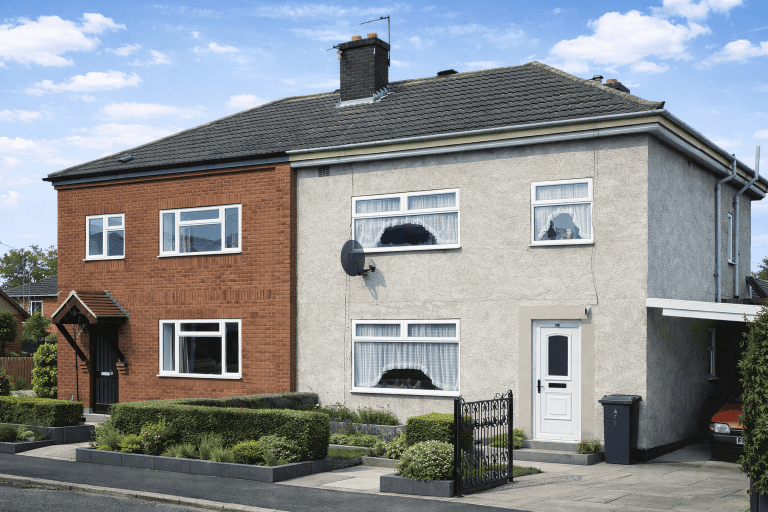
The Duo-Slab (Airey) house is a 1920s non-traditional property built using clinker aggregate concrete columns with rendered infill panels. Developed in response to post-World War I housing shortages, around 4,650 were constructed across the UK, typically as semi-detached or terraced homes. While not classified as defective under legislation, these properties require careful inspection due to risks associated with carbonation, sulfate attack, render cracking and potential structural movement.
The Dry Walls House
|

The Dry Walls House

Dry Walls houses, built in the 1920s by the Victoria Construction Co., are early non-traditional concrete properties typically found as bungalows or semi-detached homes. Constructed with layered concrete walls, integral damp-proof detailing and concrete block columns, they reflect historic building methods that require careful modern assessment. Key considerations include ageing concrete, potential asbestos-containing materials, damp-proof membrane performance, and the condition of structural elements. A detailed building survey is essential to properly evaluate risk before purchase.