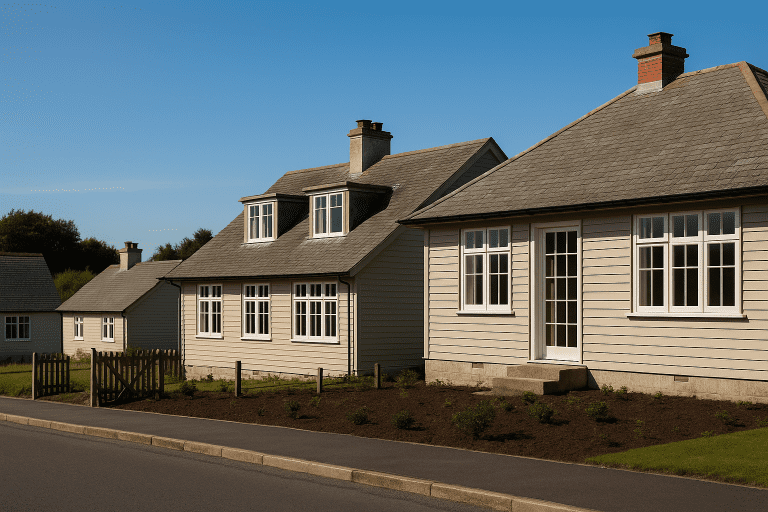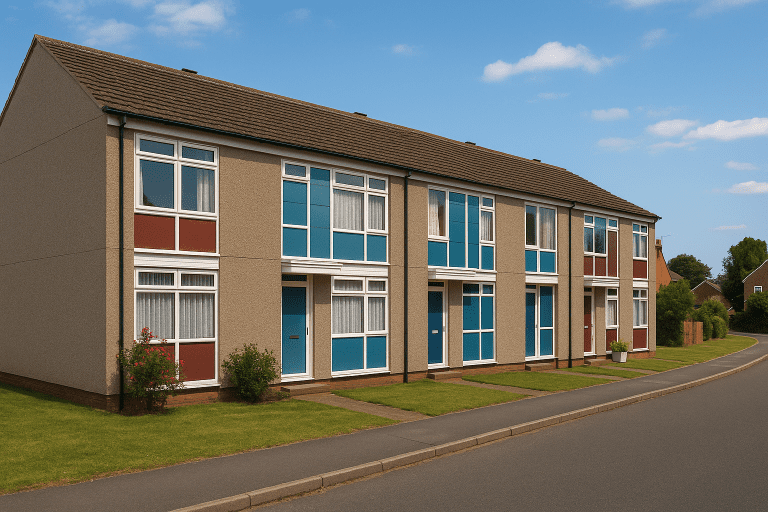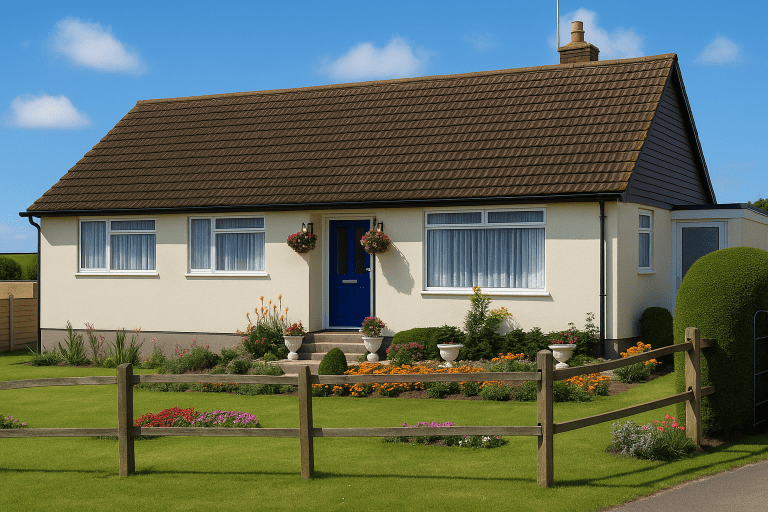

The Woolaway Bungalow. AI Illustration
| |

The Woolaways Bungalow

A Woolaways Bungalow is a post-war, system-built property constructed from the early 1950s using precast reinforced concrete panels. Typically detached and single storey, these bungalows were designed to provide rapid, practical housing during a period of acute national shortage. While easily recognisable by their gable roofs and non-traditional construction, Woolaways Bungalows require careful assessment due to known long-term durability and mortgage considerations associated with PRC housing.
The Wilvan House
|

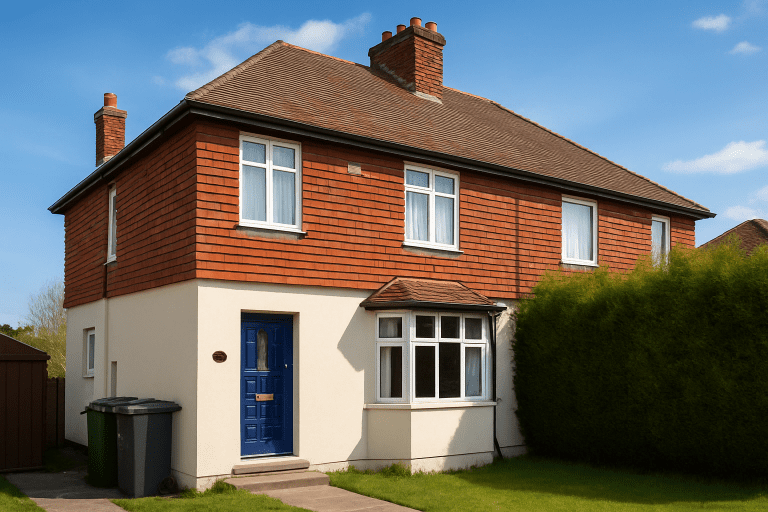
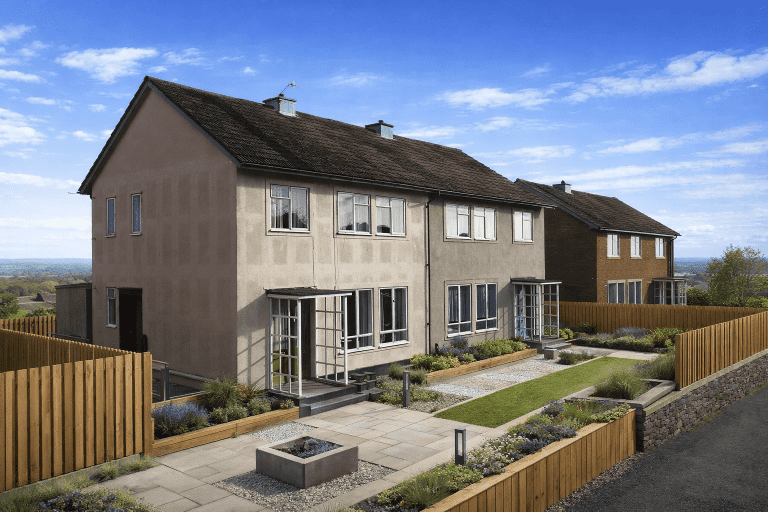
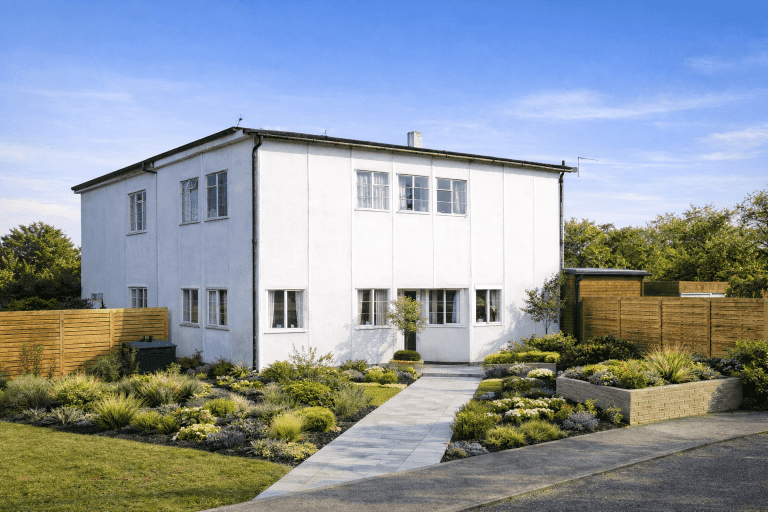
The Wilvan House

The Wilvan house is a rare and highly unusual form of mid-20th-century non-traditional housing. Designed in the 1940s by engineer Owen Williams and manufactured by W & C French, only two semi-detached examples were ever built. Constructed using precast reinforced concrete panels and distinctive corner columns, Wilvan houses reflect post-war innovation but require careful inspection due to the long-term behaviour of PRC construction and embedded steel reinforcement.
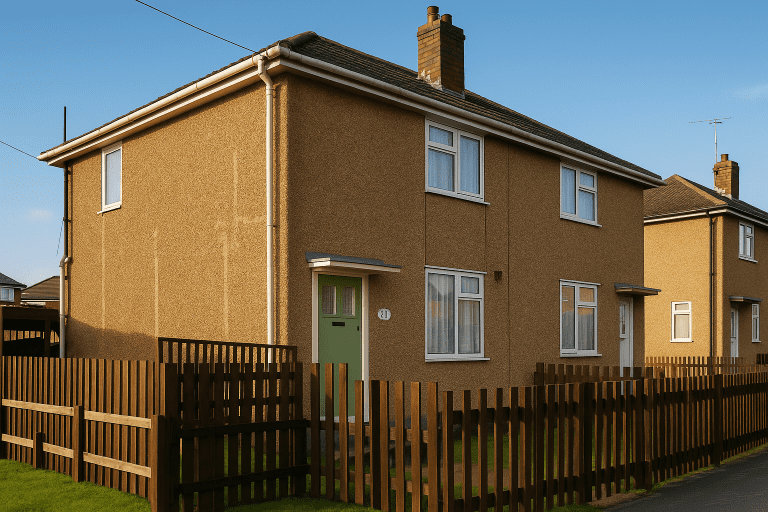
A Wates House AI illustration
|

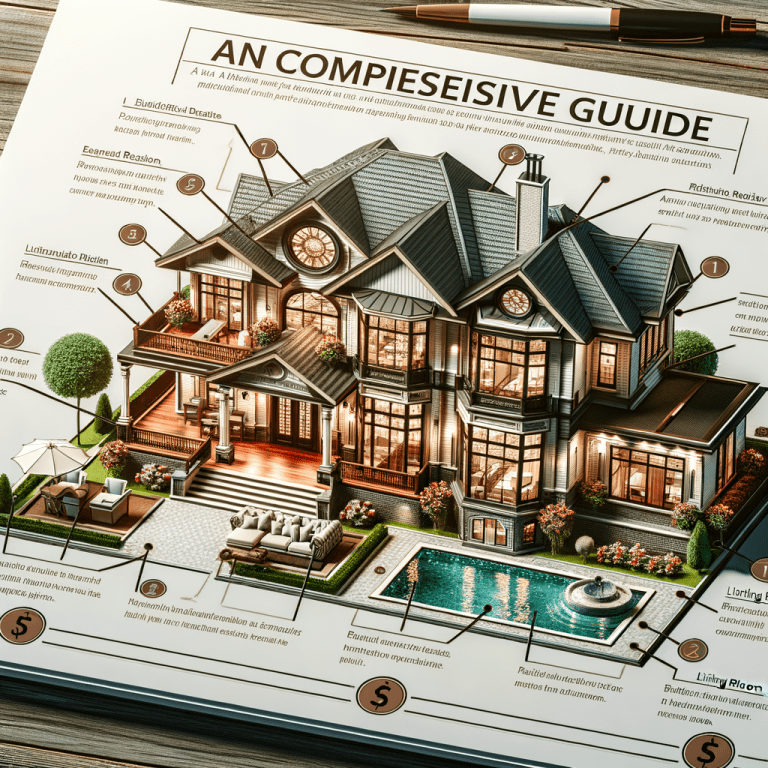
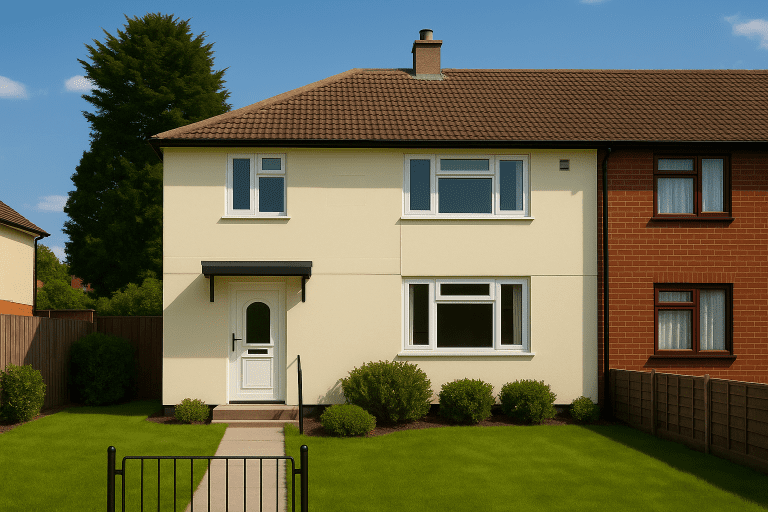
The Wates House (Concrete Frame and Panel): A Comprehensive Guide for Home Buyers and Investors

Historical Context and Manufacturing The Wates house, also known as the PH6, is a notable example of post-war British architecture. Manufactured by Wates Ltd, these properties were constructed between 1947 and 1956, a period marked by…