
The Birmingham Corporation Type ST House
|

The Birmingham Corporation Type ST House

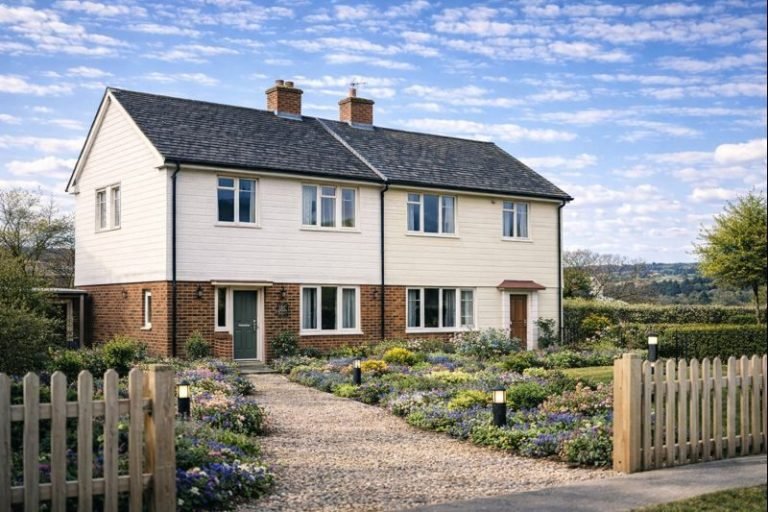
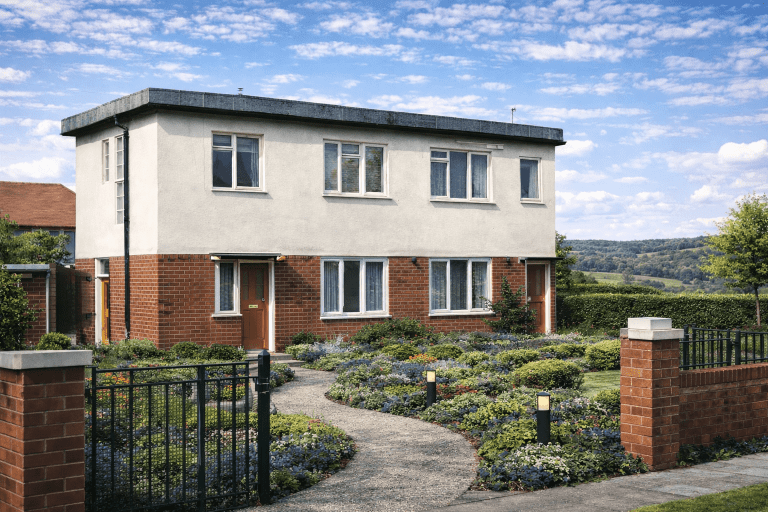
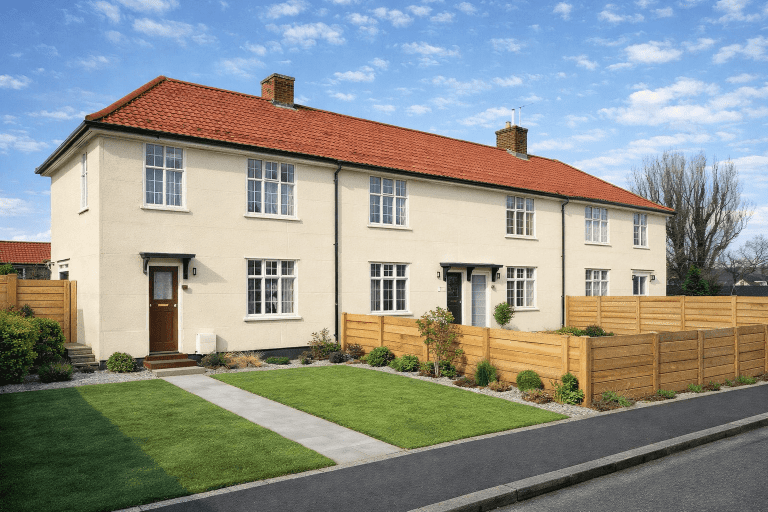
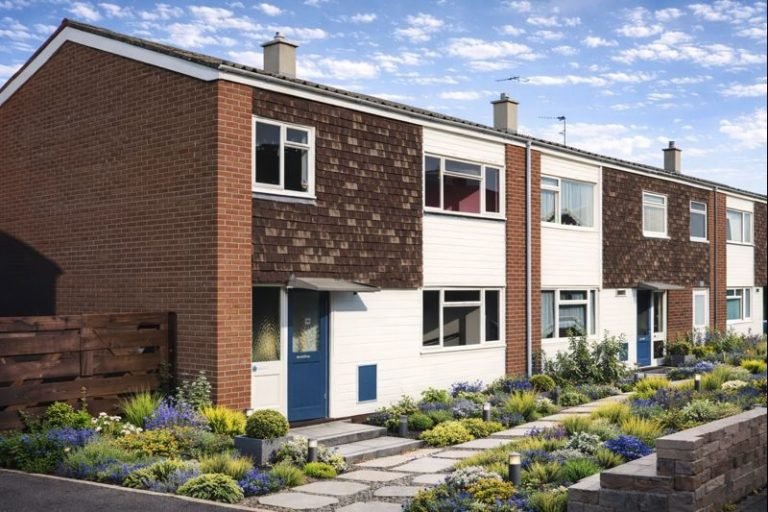
The Birmingham Corporation Type ST house is a rare post-war, non-traditional property built in 1945 as part of Birmingham’s rapid reconstruction programme. Constructed using a steel frame with extensive asbestos cement cladding, these two-storey semi-detached and terraced houses are immediately recognisable but require informed inspection. The key considerations centre on the condition of asbestos-containing materials, long-term steel frame corrosion risk, and generally limited thermal performance when assessed against modern standards.
The Atholl 1951 House
|

The Atholl 1951 House

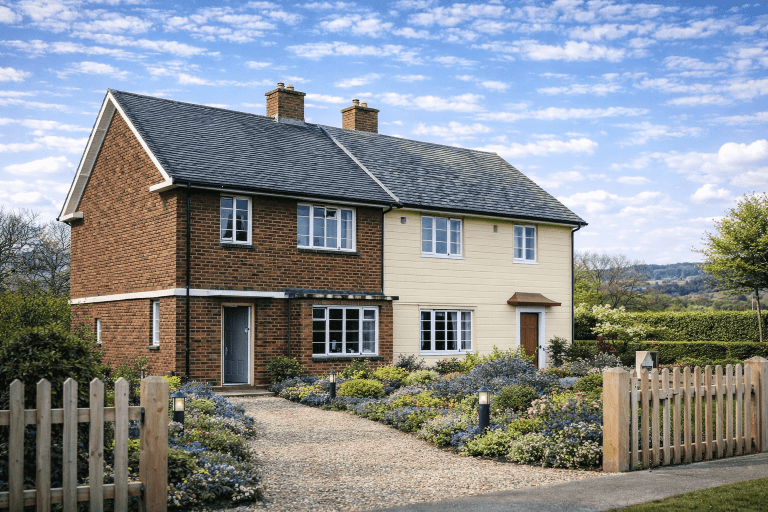
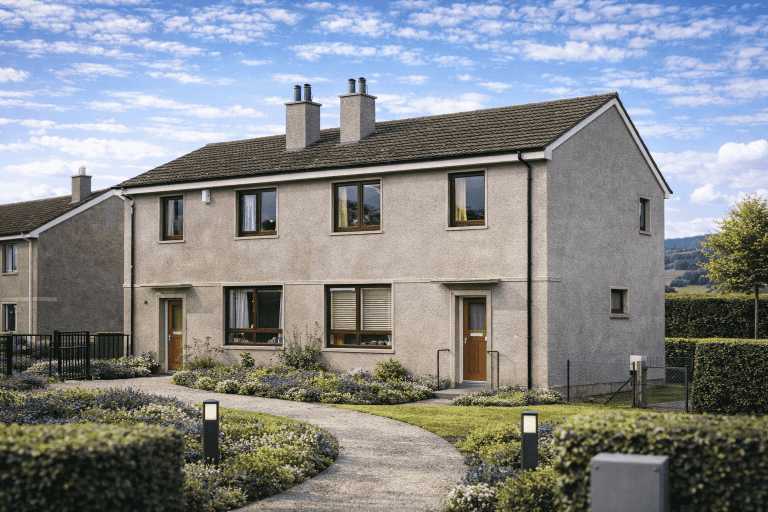
The Atholl 1951 house is a post-war, steel-framed property built between 1951 and 1955 as part of the UK’s response to severe housing shortages. Found in a range of urban and suburban settings, these two-storey homes are identifiable by their rendered roughcast elevations, pitched tiled roofs, and characteristic detailing at first-floor level. While generally robust, their long-term condition is closely linked to moisture control and the state of the concealed steel frame, making informed inspection and maintenance essential.
The Atholl 1945 House
|

The Atholl 1945 House

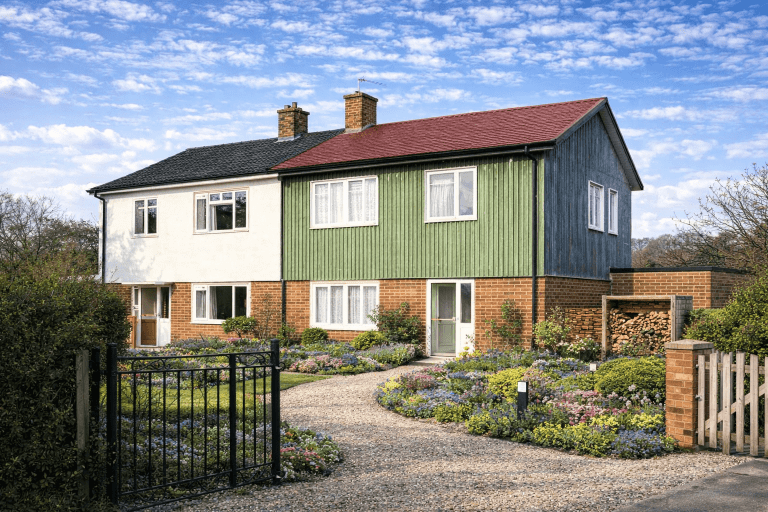
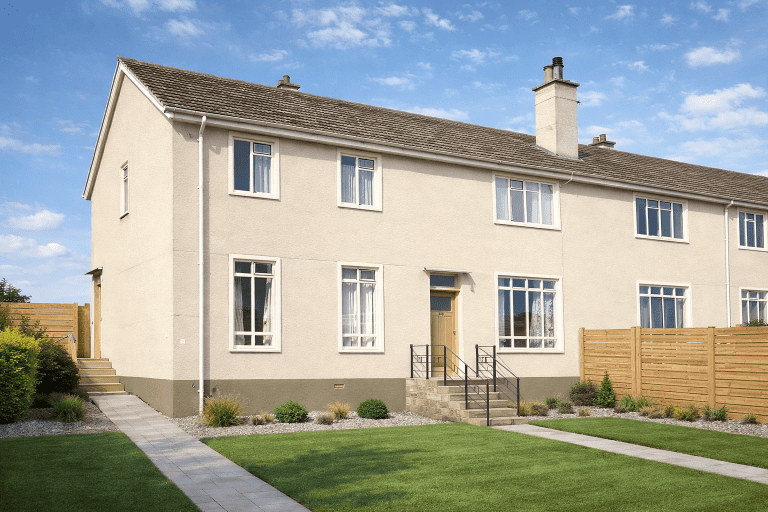
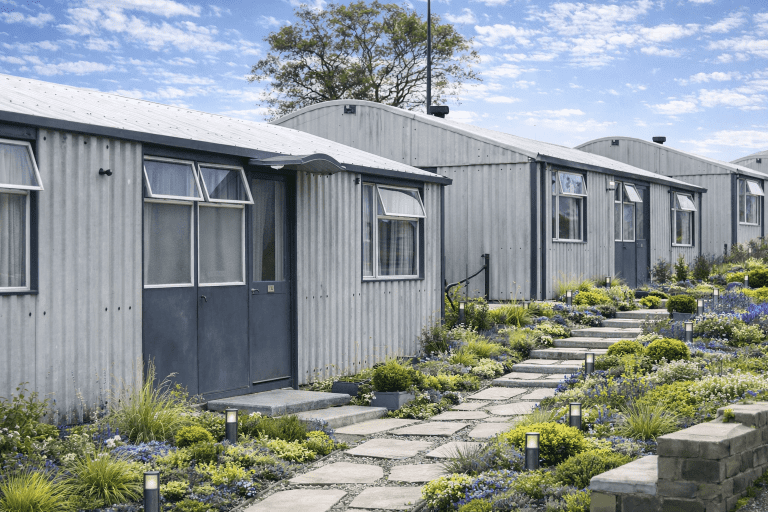
The Atholl 1945 house is a post-war, non-traditional steel-framed property developed to address Britain’s acute housing shortage after the Second World War. Built between 1945 and 1948 using flat steel wall sheets, timber elements, and asbestos cement linings, these houses were designed for rapid construction rather than long-term ease of alteration. While many remain in use, their performance today depends heavily on corrosion protection, fixing integrity, and the management of asbestos-containing materials—making a condition-led building survey essential before purchase.
The Arrowhead House
|

The Arrowhead House

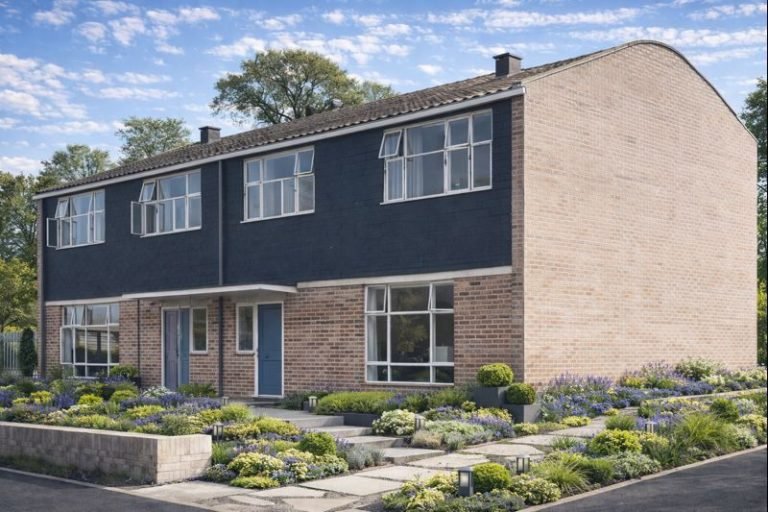
The Arrowhead house is a mid-1960s system-built property developed by Rigid Frame Construction Ltd as part of the UK’s post-war housing programme. Built using a steel rigid frame with prefabricated wall panels, these homes are typically identified by shallow pitch roofs, panelised external walls, and a flat entrance canopy. While robust in concept, Arrowhead houses require careful inspection due to their reliance on steel framing, the common presence of asbestos-containing materials, and recurring defects at roofs, wall junctions, and floor structures.